
Inside EU Health: EU4Health; Age-verification app; patient-centre health
Parliament budget committee backs €10bn EU4Health fund; EU offers COVID-style app for age verification; Várhelyi has a follow-up roundtable with the health sector; what is patient-centred health research?
Parliament budget committee backs €10bn EU4Health fund
MEPs on the European Parliament’s Budget Committee have backed a larger 2028-2034 EU budget (MFF), with a clear focus on health funding. MEPs support a ringfenced EU4Health programme of €10 billion.
Siegfried Mureșan one of the budget co-rapporteurs, said committees pushed for increases “where support is very broad,” highlighting health as a priority.
The MEPs are also supporting additional funding for the Horizon research programme, which would rise to €177 billion, €25 more than the Commission proposal. Horizon research supports health research in a broad range of areas, including cancer and digital health.
“Ambition without resources is empty,” said Carla Tavares, stressing the need to match goals with funding.
The proposal will be voted on in plenary on 29 April and will form the mandate for the Parliament’s mandate ahead of negotiations with Council, which has yet to agree on a common approach.
 Catherine Feore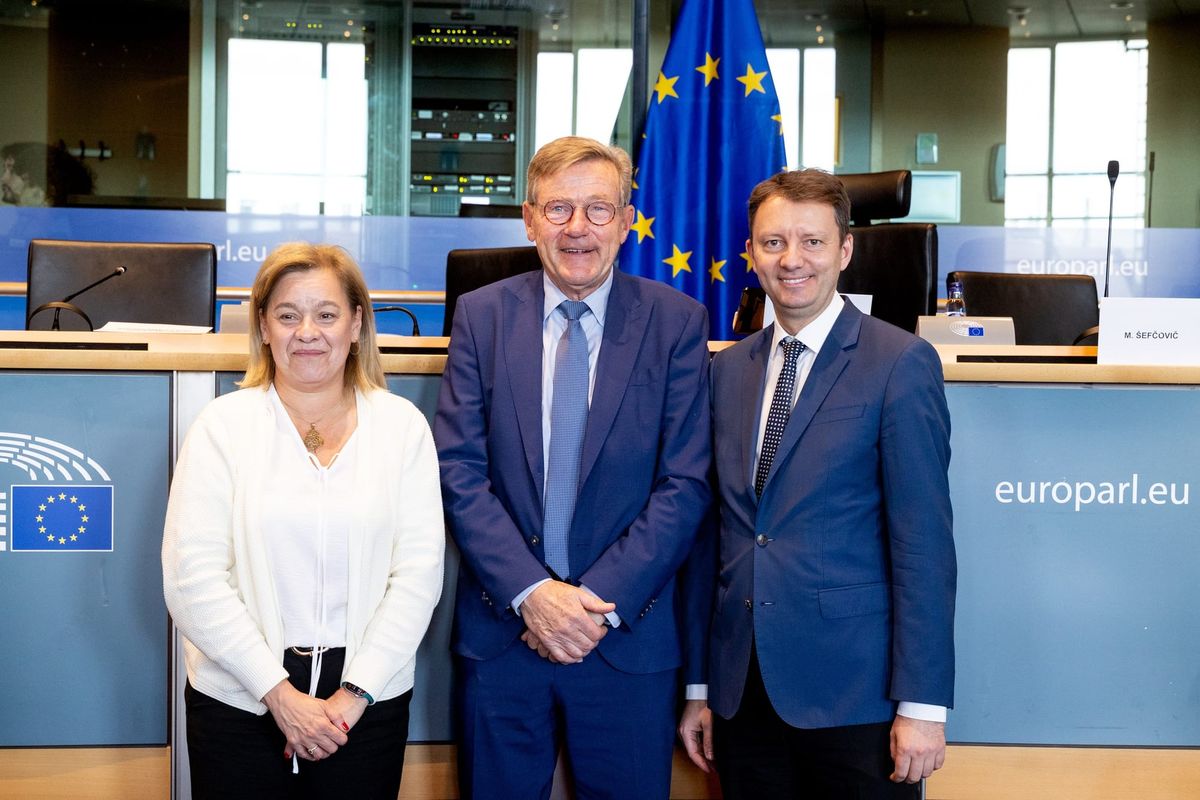
EU offers COVID-style app for age verification
The Commission has unveiled a new age verification app aimed at providing a tool that could protect minors online and address growing concerns about young people’s mental health.
Some countries are moving ahead with proposals for social media restrictions on the young, given growing concerns about their impact. Commission President von der Leyen calls it an “extremely worrying” situation, but wants a European-level solution, rather than a regulatory patchwork of different rules.
The app, based on the EU’s COVID certificate system, is intended to provide member states with a common verification framework, as a base.
The Commission has created an expert group to advise on the pros and cons of social media restrictions, which is expected to report in the coming months. In the meantime, member states are doing what they tend to do: put their own sovereignty ahead of shared European sovereignty. France has submitted a proposal, five or six other countries are also considering taking action.
As enforcement under the Digital Services Act intensifies, Virkkunen said Europe “won’t tolerate” business models that exploit children. However, some countries aren’t willing to wait for the DSA to make a difference.
Catherine Feore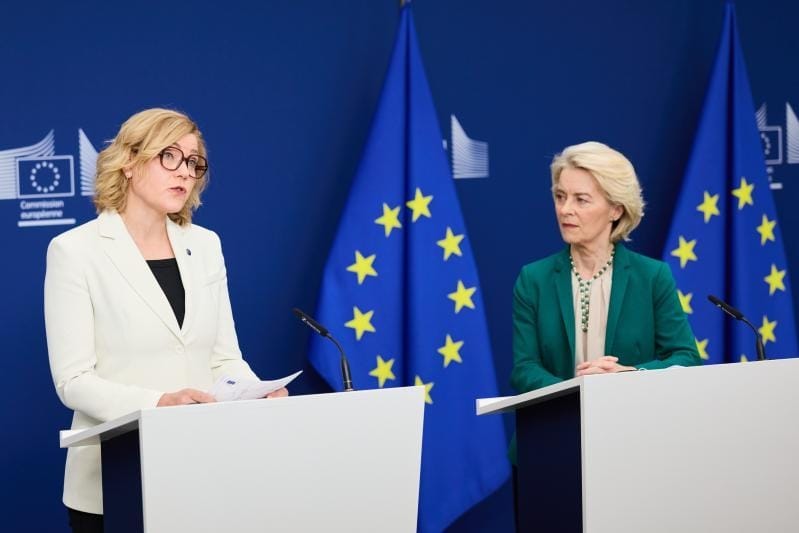
Várhelyi has a follow-up roundtable with health sector
Commissioner Olivér Várhelyi held a roundtable discussion today with representatives of the med tech and pharma sectors. Billed as a “high-level dialogue” and a follow-up to a similar meeting with von der Leyen in 2025.
We are told that the meeting provided an opportunity to gather preliminary feedback on priorities for further action, but there was no indication of what this might refer to.
“This was another signal of the Commission’s unwavering commitment to make the EU the best place in the world for health and pharma, which will bring countless benefits to EU patients.” We don't know if any representatives of patient groups or the wider health sector were present.
Patient-centred health research and innovation
While people throw out phrases like “patient-centred health”, the Parliament’s Public Health (SANT) Committee commissioned a study into how it can be implemented in research and innovation across the EU. Using case studies from Germany, the Netherlands, and Belgium, it finds that while patient involvement is increasingly valued, its application varies widely. The study suggests ways it could be better integrated in practice.
Recommendations include making patient involvement mandatory, embedding patients in funding, governance, and priority-setting, and sustaining investment in training, resources, and infrastructure to enable meaningful participation and long-term integration across the research lifecycle.