Patients’ group warns of exclusion from EU Biotech Act talks

The European Patients’ Forum (EPF) has criticised its limited involvement in negotiations on the EU Biotech Act, warning that patients’ concerns about clinical trials, medicine prices and access to treatments are not being sufficiently considered as MEPs finalise their positions.
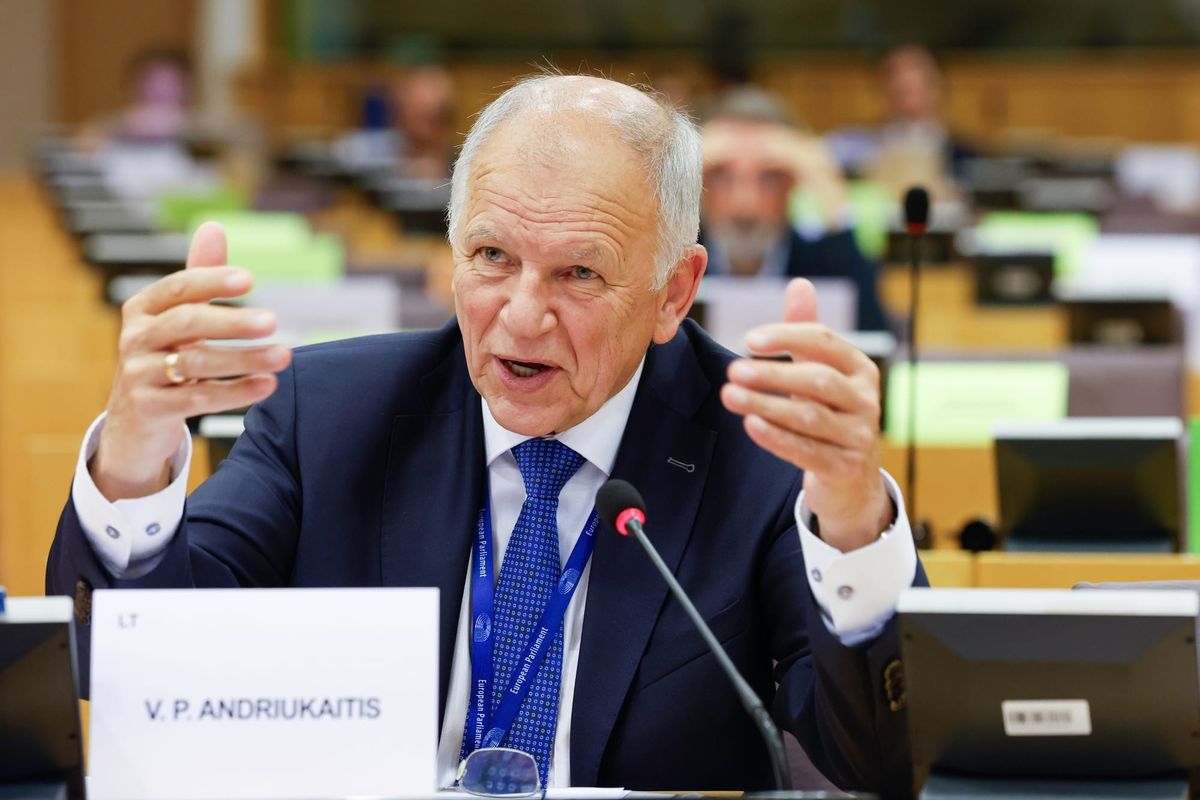
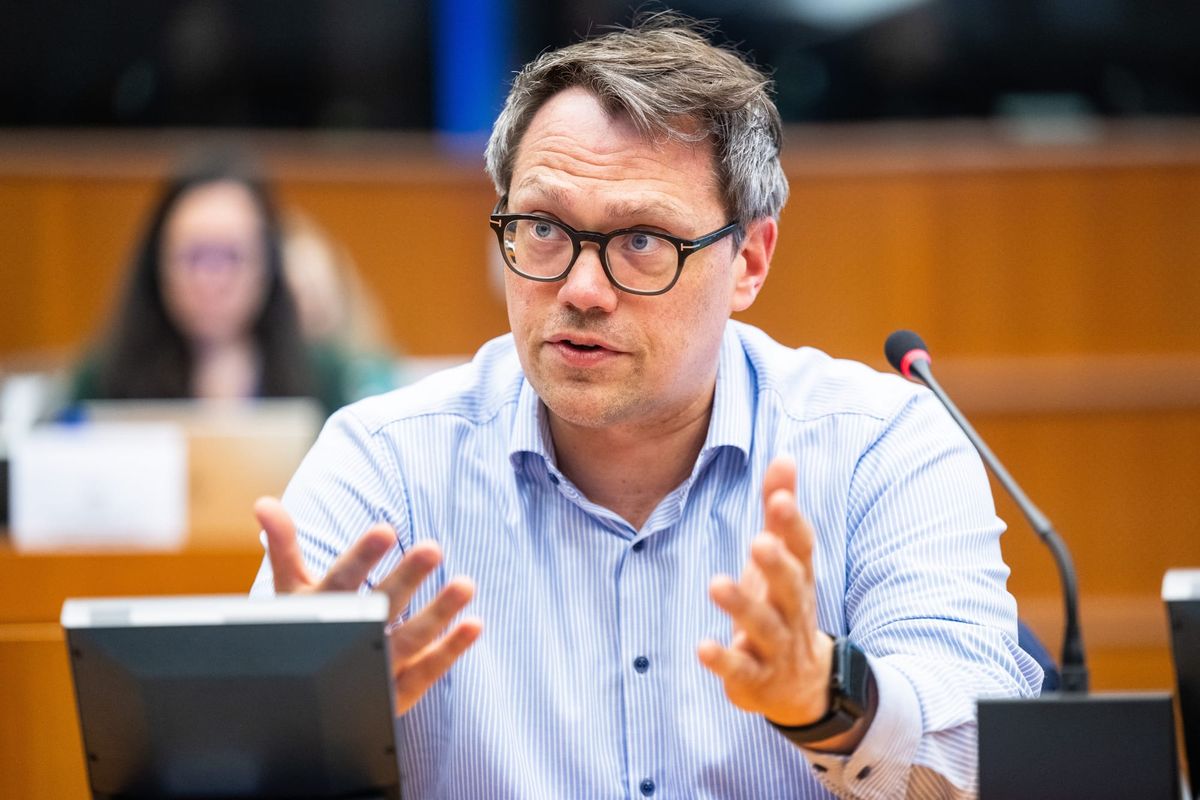
EPF raised its concerns during a meeting with MEPs Vytenis Andriukaitis and Stine Bosse.
Although the organisation welcomed the discussions, it questioned why patient groups had been excluded from previous parliamentary roundtables. It also expressed frustration that other stakeholders were invited to its latest meeting, despite the meeting having been requested specifically by patient and healthcare professional organisations.
As negotiations enter their final stages in the Parliament, EPF wants greater influence over provisions that directly affect patients.
“Europe’s competitiveness should be measured not only by the investment it attracts, but by the improvements it delivers in patients’ lives,” said Claudia Louati, EPF’s Head of Policy and Capacity Building.
One major disagreement concerns a proposed 12-month extension of supplementary protection certificates (SPCs), which extend patent-related protection for certain medicines.
 Catherine Feore
EPF fears the m would delay cheaper biosimilar medicines entering the market, increasing healthcare costs without sufficient evidence that it would attract additional investment.
However, MEPs are seeking to balance affordability with incentives to develop innovative treatments in Europe. Supporters of SPCs argue that additional protection could encourage investment, while its impact on biosimilar competition may be limited because only relatively few medicineswith a new feature and a distinct mechanism would qualify.
 Catherine Feore
The Commission also proposes that in order to qualify the treatment must carry out clinical trials in at least three EU member states.
EPF argues that proposals for speeding up approvals of clinical trials is insufficient without stronger patient involvement in trial design, clearer consent procedures and better access to treatments after trials end.
It also wants more inclusive trials and measures to address the concentration of clinical research in Western Europe.
Research by GLOBSEC has previously found that there are many barriers to performing clinical trials in certain countries. New medicines are often being compared against existing standard-of-care treatments. In countries where these treatments are not approved or reimbursed, conducting advanced trials can be difficult. Shortages of specialist training and delayed diagnoses create additional barriers.
EPF is urging lawmakers to ensure that efforts to attract biotechnology investment do not undermine affordability, patient safety or equitable access to new treatments.
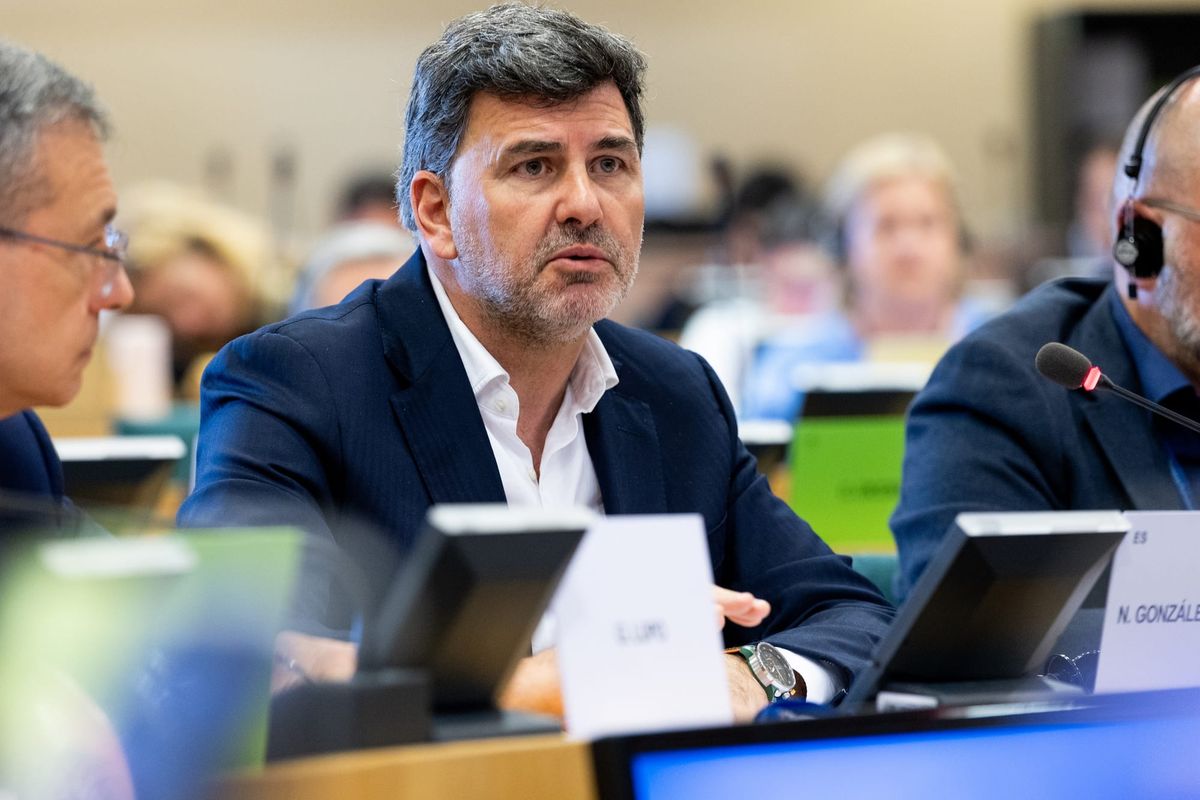
Meanwhile, negotiations on compromise amendments continued this week, with European Health Commissioner Olivér Várhelyi meeting key MEPs, including Nicolás Casares (S&D, Spain) and Stine Bosse (Renew, Denmark), involved in shaping the European Parliament’s position.
 Catherine Feore