
WHO backs two new vaccine candidates as Bundibugyo Ebola outbreak spreads
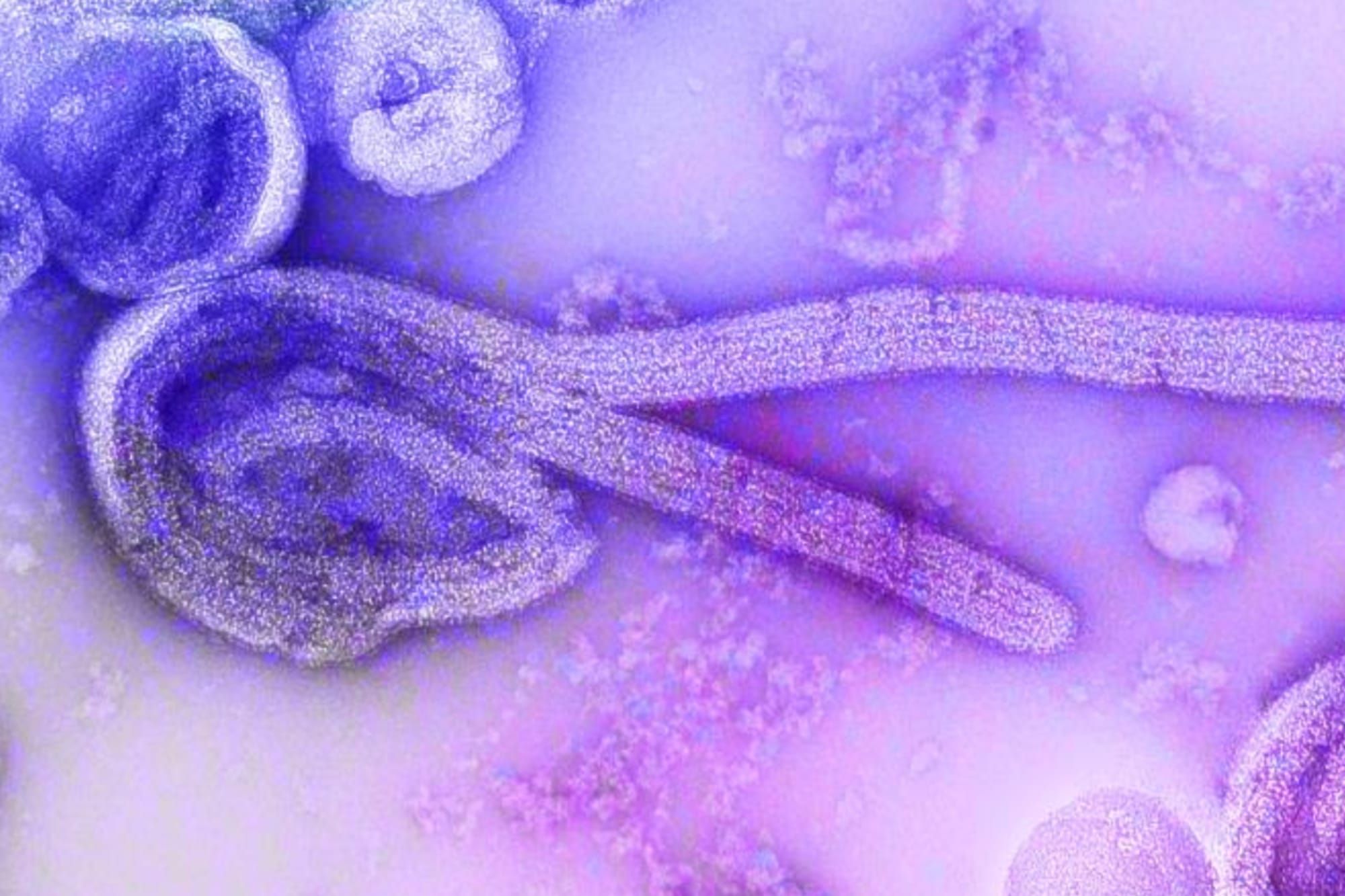
The World Health Organization (WHO) has recommended adding two experimental vaccines to clinical trials in the Democratic Republic of the Congo (DRC), as the country battles a deadly Bundibugyo Ebola outbreak that has killed more than 5,000 people.
“WHO expert groups are recommending adding two vaccine candidates to the trial that had been developed specifically for Bundibugyo virus,” WHO Director General Dr Tedros Adhanom Ghebreyesus told reporters.
The candidates, Oxford’s ChAdOx1 BDBV and Moderna’s mRNA-1469, will be evaluated in the Tumaini trial, led by the DRC’s National Institute for Biomedical Research with support from WHO and international partners. The Coalition for Epidemic Preparedness Innovations (CEPI) is supporting both vaccines.
"Safe and effective vaccines are urgently needed to help bring the devastating outbreak in the DRC under control," said Dr. Richard Hatchett, CEO of CEPI. "It brings us a step closer to finding out, as quickly as possible, whether BDBV-specific vaccines can protect people against this disease and, if they can, getting them to the communities that need them most."
Developed by the University of Oxford in collaboration with the Serum Institute of India, ChAdOx1 BDBV uses a viral-vector platform. Moderna’s mRNA-1469 uses messenger RNA technology. Interim Phase 1 results from Canada showed it was generally well tolerated and generated strong Bundibugyo-specific antibody responses after one dose.
“With encouraging early clinical data, we now have an opportunity to evaluate whether our investigational vaccine can help protect people against Bundibugyo virus disease,” said Moderna CEO Stéphane Bancel.
Trials began last month using Merck’s Ervebo vaccine, approved against Zaire Ebola virus but not Bundibugyo.
Médecins Sans Frontières (MSF) has warned that manufacturing constraints could limit vaccine access and urged Merck to share production capabilities to strengthen the global stockpile.
WHO emergencies chief Dr Chikwe Ihekweazu said sufficient doses were available for current trials, adding that WHO was discussing future supplies with manufacturers.
The outbreak has caused more than 10,000 infections in the DRC, with additional cases reported in Kenya and Nigeria.
Tedros warned that vaccines alone would not end transmission.
“Vaccines are powerful tools, but they are not substitutes for the proven measures that can save lives now,” he said, highlighting early care, contact tracing, isolation and community engagement.
Tedros also urged countries to lift travel restrictions, warning that such measures discourage transparency and undermine outbreak responses: “We call on countries that have imposed travel restrictions to lift them. Such restrictions punish countries for doing the right thing, create disincentives for transparency, and harm the response.”