
Inside EU Health: Tobacco taxation; Biotech Act; climate change; Bundibugyo; exercise
EU finance ministers seek tobacco tax deal amid Swedish and Spanish reservations; patients’ group warns of exclusion from EU Biotech Act talks; six climate measures could save 1.6 million lives annually; WHO backs two new vaccine candidates against Bundibugyo; adolescent physical activity
EU finance ministers seek tobacco tax deal amid Swedish and Spanish reservations
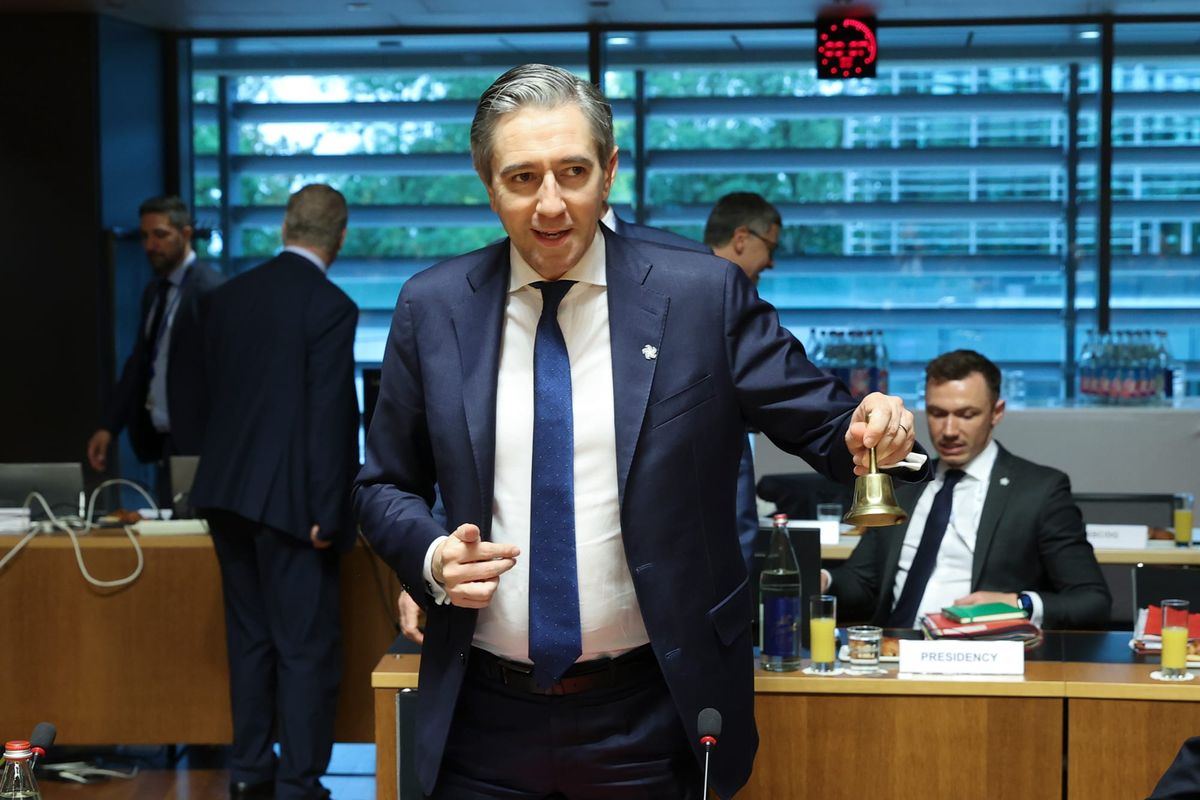
EU finance ministers will seek a compromise on revised tobacco taxation rules at Monday’s ECOFIN amid Swedish and Spanish reservations.
EU finance ministers will meet in Brussels on Monday (9 November) at the ECOFIN Council meeting to seek a compromise agreement on the revision of the Tobacco Taxation Directive, with disagreements over nicotine pouches, traditional tobacco products and minimum excise duty rates still threatening a deal.
 Catherine Feore
Patients’ group warns of exclusion from EU Biotech Act talks
The European Patients’ Forum (EPF) has criticised its limited involvement in negotiations on the EU Biotech Act, warning that patients’ concerns about clinical trials, medicine prices and access to treatments are not being sufficiently considered as MEPs finalise their positions.
“Europe’s competitiveness should be measured not only by the investment it attracts, but by the improvements it delivers in patients’ lives,” said Claudia Louati, EPF’s Head of Policy and Capacity Building.
 Catherine Feore
Climate action could save 1.6 million lives annually
Governments could prevent 1.6 million deaths annually and generate trillions of dollars in economic benefits by implementing six proven measures to tackle the health consequences of climate change, according to a new World Health Organization (WHO) report.
The six actions are: heat-health warning systems; climate-resilient drinking-water services; basic sanitation services; hygiene and handwashing facilities; cleaner household fuels and technologies for cooking and heating; and efficient fossil fuel pricing policies.
 Catherine Feore

WHO backs two new vaccine candidates as Bundibugyo Ebola outbreak spreads
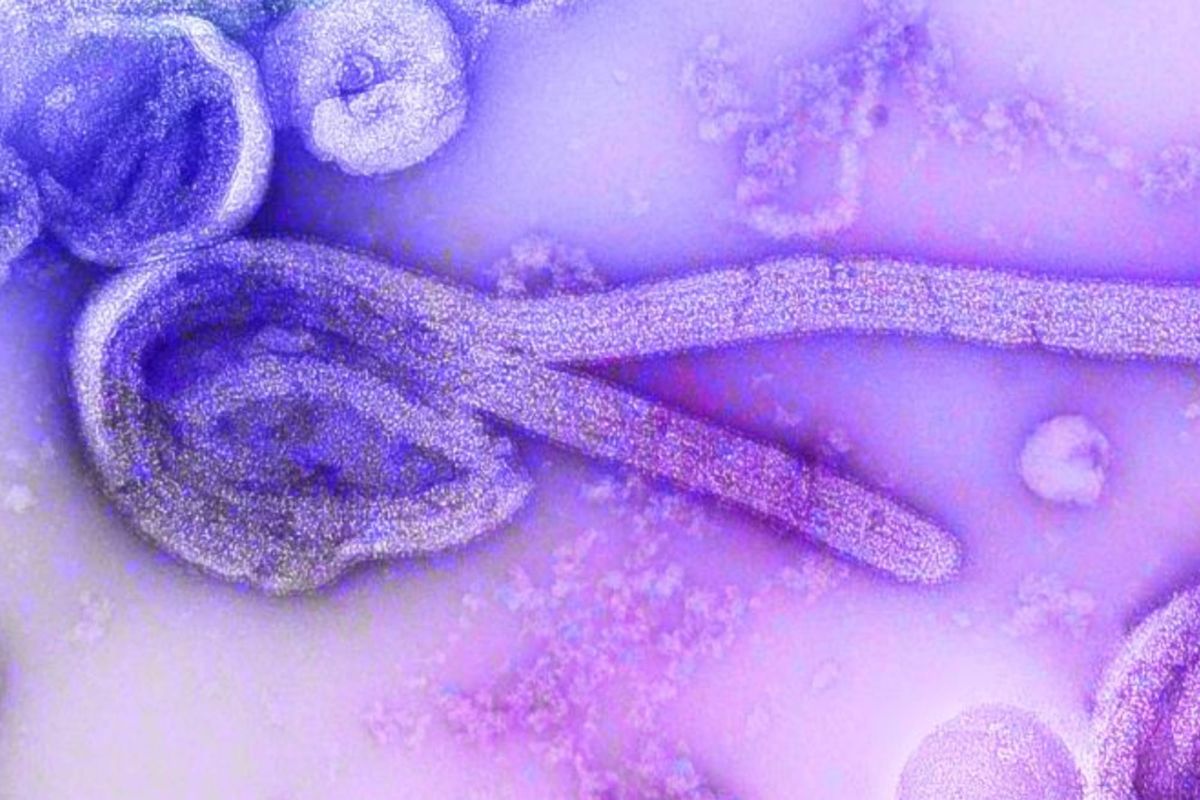
The World Health Organization (WHO) has recommended adding two experimental vaccines to clinical trials in the Democratic Republic of the Congo (DRC), as the country battles a deadly Bundibugyo Ebola outbreak that has killed more than 5,000 people.
The candidates, Oxford’s ChAdOx1 BDBV and Moderna’s mRNA-1469, will be evaluated in the Tumaini trial, led by the DRC’s National Institute for Biomedical Research with support from WHO and international partners. The Coalition for Epidemic Preparedness Innovations (CEPI) is supporting both vaccines.
"Safe and effective vaccines are urgently needed to help bring the devastating outbreak in the DRC under control," said Dr. Richard Hatchett, CEO of CEPI. "It brings us a step closer to finding out, as quickly as possible, whether BDBV-specific vaccines can protect people against this disease and, if they can, getting them to the communities that need them most."
 Catherine Feore
One in four adolescents worldwide report no active days in a week
One in four adolescents worldwide reported failing to achieve at least 60 minutes of physical activity on any day during the previous week, according to new estimates released by the World Health Organization (WHO).
“Our new estimates suggest that only 14% of adolescents globally are reaching that level, and one in four adolescents globally report not getting 60 minutes of physical activity on any day in a week, let alone every day,” said WHO Director General Dr Tedros Adhanom Ghebreyesus.
He stressed that addressing the problem requires government investment, not simply encouraging young people to exercise more.
“The answer is not simply to tell young people to try harder, governments must make physical activity the easy choice by investing in safe schools, public spaces, walking and cycling routes, transport policy, and affordable opportunities for sport and recreation,” Tedros said.
 Catherine Feore