
MEPs supportive of draft Biotech report, but divisions over incentives remain
The European Parliament's first debate on its draft Biotech Act report showed broad political support for strengthening Europe's biotechnology sector, while exposing disagreements over how best to boost innovation, streamline clinical trials and incentivise investment.
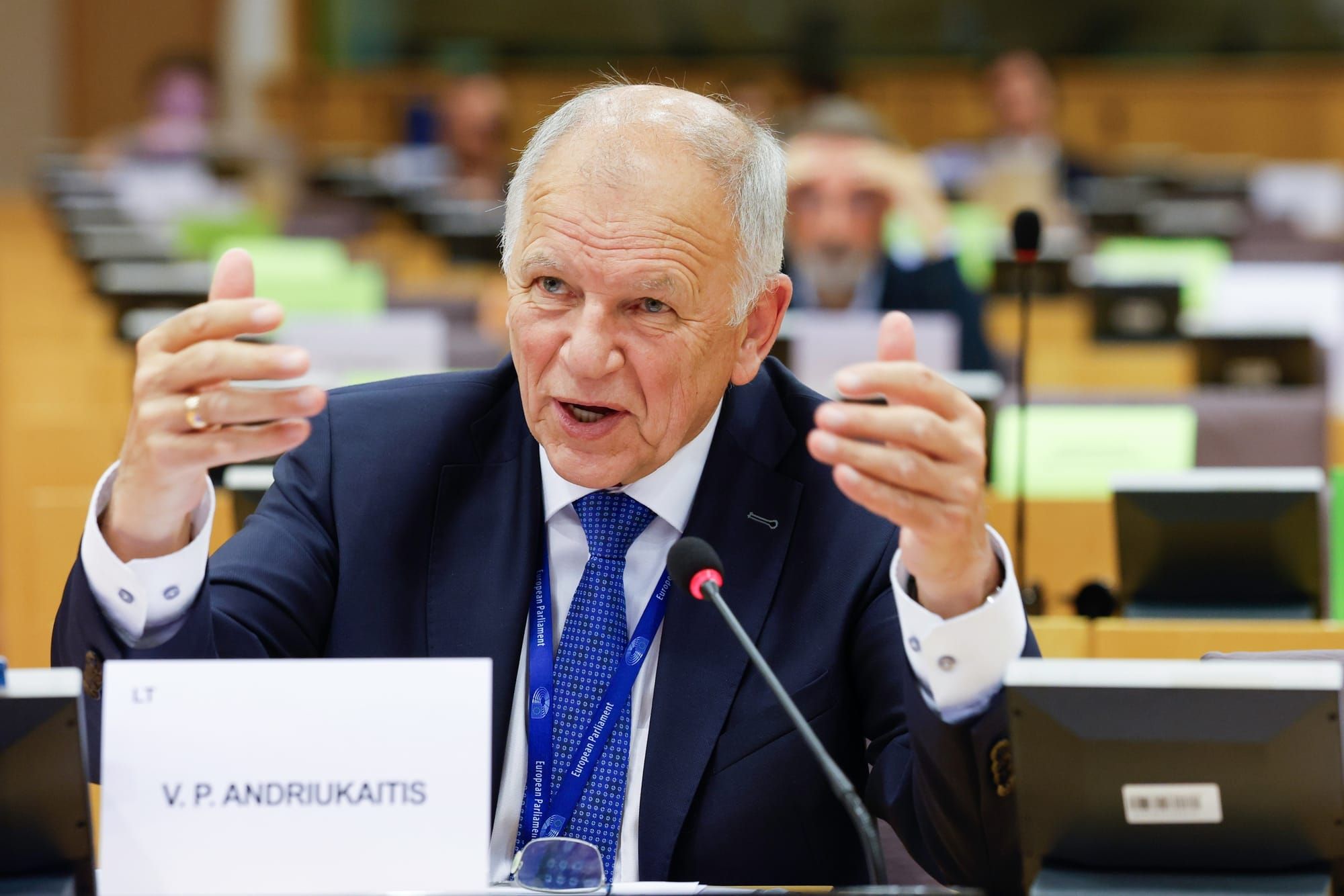
Presenting their joint report, co-rapporteurs Wouter Beke MEP (EPP, Belgium) from the Industry, Research and Energy (ITRE) committee and Vytenis Andriukaitis MEP (S&D, Lithuania) from the Public Health (SANT) committee argued the legislation should position Europe as a global biotechnology leader by linking competitiveness with better patient access.
Beke warned that Europe is steadily losing ground to the United States and China in venture capital, clinical trials, manufacturing and commercialisation, arguing that biotechnology has become "deeply geopolitical".
Clinical trials
A major focus of the debate was the proposal to simplify and accelerate clinical trials. The report supports the creation of a Clinical Trial Expert Committee within the European Medicines Agency to improve coordination, shorten approval timelines, and reduce administrative burdens while maintaining safety standards. Several MEPs said a more harmonised European framework was essential to attract research back to Europe.
Peter Liese MEP (EPP, Germany) said fragmented national rules had left Europe at a disadvantage and argued that "we need to be more European, more harmonised" in organising clinical trials. Renew’s Stine Bosse (Denmark) said Europe needed to move from "a group of trial nations to a trial union", including fast-track procedures for orphan medicines.
Supplementary protection certificate
One of the more contentious elements was the Commission's proposal to extend supplementary protection certificates (SPCs) by 12 months for qualifying biotechnology medicines. Beke defended the measure as "an important piece of the puzzle to keep the industry here in Europe".
The Commission also sought to reassure skeptical lawmakers. The European Commission’s representative, Thomas van Cangh of DG SANTE, stressed that the extension was "not a gift", saying companies would only qualify if they conducted clinical research and manufacturing in Europe. "If there is no impact on where clinical research is done and where production happens, there is no SPC granted," he said.
Division in the S&D group
Despite the S&D group co-rapporteur Andriukaitis welcoming SPCs, Tiemo Wölken MEP (S&D, Germany) questioned the evidence supporting the proposal, warning that longer exclusivity could increase healthcare spending and delay access, he lamented that the Commission had not provided a full impact assessment. Instead, he proposed immediate market entry for biosimilars after patent expiry.
This was echoed by Finnish Green MEP, Ville Niinistö: “We reject extending supplementary protection certificates, longer exclusive exclusivity delays by a similar competition, increases cost for public health care systems and patients, and there is little evidence that it would significantly strengthen European innovation or manufacturing
Closing the debate, Andriukaitis called for a "calm, evidence-based" discussion on incentives, arguing that SPCs should be considered alongside the wider package of measures aimed at improving investment, research, manufacturing and patient access across Europe's biotechnology ecosystem.
Regulatory sandboxes
The debate highlighted differing views on the use of regulatory sandboxes, which are intended to allow companies to test innovative technologies under regulatory supervision. Several MEPs welcomed the approach as a way to accelerate innovation in areas such as advanced therapies and novel foods while giving regulators earlier insight into emerging technologies.
Niinistö cautioned that greater regulatory flexibility must not become "a shortcut around Europe's high standards for safety, transparency and patient protection", arguing that innovation and the precautionary principle must go hand in hand. Renew MEP Katri Kulmuni (Finland), supported the approach as a practical tool to boost competitiveness while maintaining safety standards.
Biosecurity
Andriukaitis said biotechnology brought "enormous opportunities" but also "risks of misuse", including AI-enabled biological research, backing measures such as an EU biotech radar, nucleic acid synthesis screening and closer cooperation between EU agencies. van Cangh said the proposal strengthens Europe's biotechnology ecosystem while embedding "important biosecurity safeguards" across the value chain.
Niinistö argued the legislation should go further by broadening its focus beyond biosecurity, saying that biosafety deserved greater attention, calling for environmental impacts to be considered "throughout the lifecycle of biotechnology products", in line with the precautionary principle, to ensure biotechnology solutions remain sustainable.