
Inside EU Health: MFN; €84.8 million health innovation call; medical countermeasures; UK/US deal could cost more lives than COVID
Can the EU resist US pressure on medicine prices? €84.8m launches call to support healthy ageing, reduced animal testing and early-stage innovation; EU seeks partners to shape new medical countermeasures preparedness network; UK deal with US could cost more lives than COVID
Can the EU resist US pressure on medicine prices?
Europe should resist US pressure to pay more for medicines and negotiate as a united front, rather than allowing Washington to deal with member states individually, speakers said during a debate organised by EU consumer group BEUC.
The discussion comes as the Trump administration steps up efforts to reshape pharmaceutical pricing through its "Most Favored Nation" policy. After reaching an agreement with the UK, Washington has launched a Section 301 investigation into Germany's medicines pricing system, raising the prospect of new tariffs, seemingly picking off EU countries one by one.
Peter Maybarduk of US advocacy group Public Citizen urged Europe to reject demands for higher prices and to resist bullying from pharma companies and Trump. He said the EU could use compulsory licensing if companies delayed or withheld medicines, adding that the real solution was to reduce US prices rather than raise Europe's.
Charlotte Roffiaen of France Assos Santé accused pharmaceutical companies of "blackmailing" governments by threatening to withhold medicines.
Director General of Medicines for Europe Adrian van den Hoven said any response should come from Brussels, not national capitals.
"It is actually the European Union that should be negotiating," he said, questioning whether the European Commission should allow member states to strike separate deals with Washington.
 Catherine Feore
€84.8m of funds to support healthy ageing, reduced animal testing and early-stage innovation
The Innovative Health Initiative (IHI) has launched its thirteenth call for proposals, making €84.8 million available to support projects that strengthen European health innovation, reduce animal use in drug safety testing and improve understanding of immune diseases linked to ageing.
The funding package matches €53.2 million from the EU’s Horizon Europe programme, with €27.2 million from IHI industry members and €4.4 million from contributing partners.
IHI will support a European network to help early-stage healthcare companies overcome barriers to commercialisation and bring innovative technologies to patients more quickly. It will also support an AI-driven toxicology framework to reduce animal testing by predicting when studies in a second species are unnecessary, supporting the 3Rs principles of replacement, reduction and refinement.
The third topic seeks to advance research into how ageing reshapes the immune system and contributes to chronic inflammation and disease.
The deadline for submitting short proposals is 8 October 2026.
EU seeks partners to 'RAMP UP' new medical countermeasures preparedness network
The European Commission is inviting organisations to sign up to its pilot scheme to strengthen the EU's ability to respond to future health emergencies by rapidly increasing the production of medicines, vaccines and other essential medical supplies.
The initiative, known as the Rapid Agile Manufacturing Partnerships for Union Protection (RAMP UP), is being led by the EU's Health Emergency Preparedness and Response Authority (HERA). It will create a voluntary network of manufacturers, suppliers and other supply chain partners to improve preparedness before a health crisis occurs and enable faster scaling up of production when needed.
The scheme is one of the flagship measures under the EU Medical Countermeasures Strategy and is rooted in lessons learned from the COVID-19 pandemic, when shortages and manufacturing bottlenecks delayed access to countermeasures across Europe.
HERA is inviting eligible organisations to take part and help design how the network will operate, including its data-sharing arrangements and operational procedures. Participation is voluntary, free of charge and open on a rolling basis.
UK deal with US could cost more lives than COVID
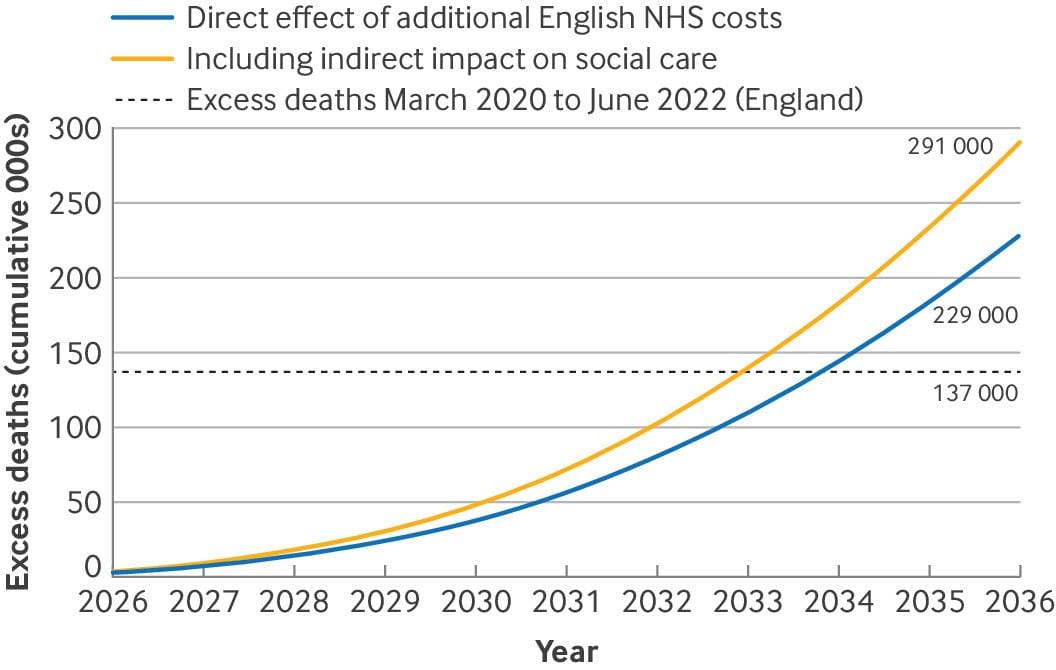
An analysis of the cost of the UK-US pharmaceuticals deal published in The BMJ estimates that changes to NHS drug pricing could divert almost £45 billion from other NHS services by 2036, potentially contributing to 229,000 excess preventable deaths - rising to 291,000 when wider impacts on adult social care are included.
The estimated 229,000 deaths alone exceed the approximately 137,000 excess deaths attributed to the COVID-19 pandemic in the UK between March 2020 and June 2022.
The government's impact assessment of the deal has not been released for public or parliamentary scrutiny. The principal benefit is a three-year guarantee of 0% tariffs on UK pharmaceutical exports to the US, but the BMJ reports that the UK remains a net importer of medicines and that exports to the US are worth around £5 billion annually.
The authors say, “The government’s willingness to accommodate industry pressure while the NHS absorbs the resulting costs raises important questions about transparency and accountability.”
UK launches pilot schemes to speed NHS access to new medicines under UK-US trade deal
The UK government has announced a series of pilot schemes aimed at giving NHS patients faster access to innovative medicines, delivering on commitments made under the UK-US pharmaceutical arrangement.
Developed by a joint task force of the government, the NHS, the pharmaceutical industry, and patient groups, the pilots will begin as early as September. They will test new approaches to medicines pricing, access and adoption, with a focus on therapies for rare diseases.
The announcement follows changes to the National Institute for Health and Care Excellence (NICE) cost-effectiveness threshold introduced in April, which have already resulted in nine additional medicines being approved for NHS patients in England and Wales. The treatments cover conditions including blood disorders, autoimmune diseases and several cancers.
The government said the measures support its pledge to double spending on innovative medicines from 0.3% to 0.6% of GDP over the next decade. Health and Social Care Secretary, James Murray, said: “These pilots are designed to give life-changing treatments to NHS patients faster and more fairly than ever before, while ensuring taxpayers continue to get value for money.” The BMJ analysis doesn’t support this view.