
Inside EU Health: Women’s health; digital; Ebola; Marburg; hantavirus
'Now is really the time!' for women's health, says Cooke; Macron and WHO chief back stronger safeguards for children online; Ebola outbreak expands and WHO condemns attacks on health facilities; WHO declares cruise ship hantavirus outbreak over
'Now is really the time!' for women's health, says Cooke
The European Medicines Agency (EMA) is launching new initiatives to improve medicines for women, aiming to address persistent gaps in research, diagnosis and treatment.
“Advancing developments in women’s health is one of my personal priorities,” said EMA Executive Director Emer Cooke, adding that “there is currently great momentum on which we can capitalise.”
A women’s health workshop on 28–29 September will bring together regulators, researchers, patients, healthcare professionals and industry to identify research gaps and priorities for future action.
EMA will strengthen the representation of women in clinical trials, ensure sex-specific differences are reflected in medicines assessments and product information, expand research on medicines used during pregnancy and breastfeeding, and increase the use of real-world evidence through DARWIN EU.
The workshop’s conclusions will inform future regulatory action and help identify areas where new medicines are most urgently needed.
“Now is really the time,” Cooke said, highlighting women’s health as a growing priority across the European Union.
 Catherine Feore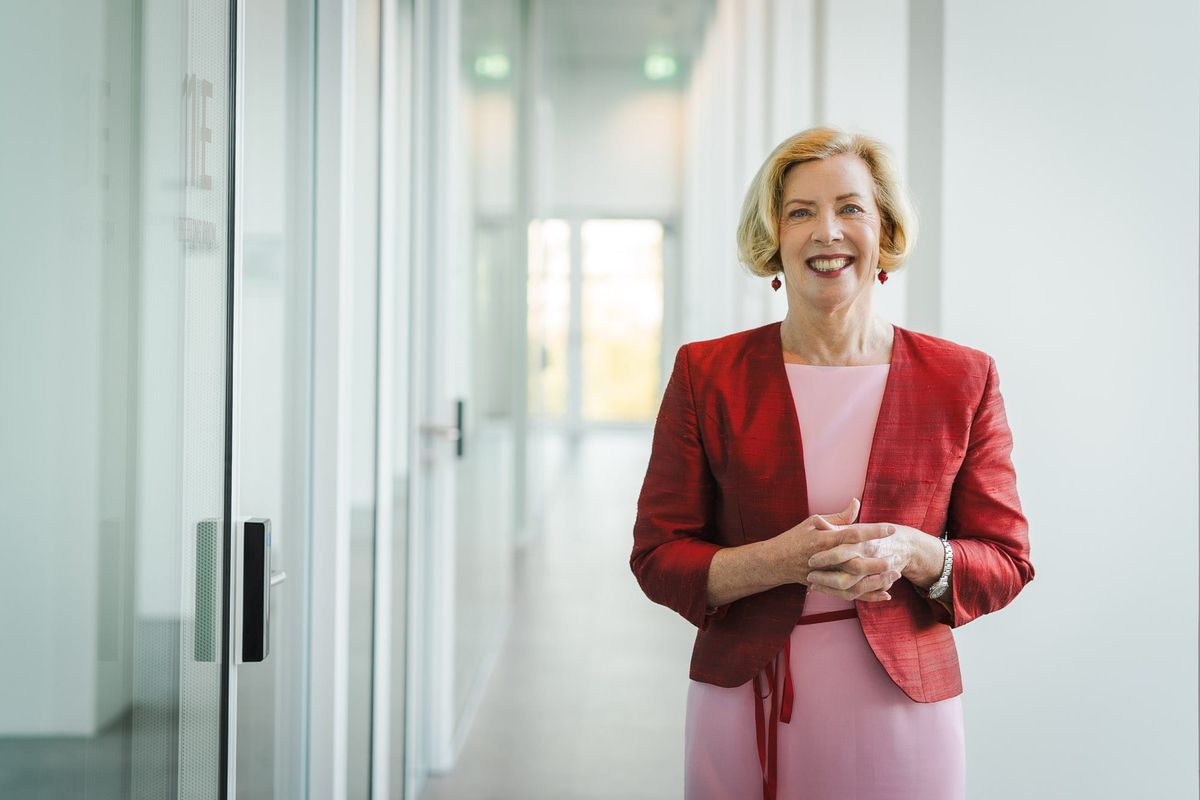
Macron and WHO chief back stronger safeguards for children online
World Health Organization Director-General Dr Tedros Adhanom Ghebreyesus and French President Emmanuel Macron are calling for stronger safeguards to protect children online, arguing digital safety is now a public health priority.
Following the publication of a joint opinion piece, Tedros said governments increasingly recognise the need for "effective governance, accountability, age-appropriate design, and stronger safeguards" for digital platforms.
WHO Director of Digital Health and Innovation Dr Alain Labrique said the debate needs to be driven by evidence rather than "moral panic", and that more research is still needed.
"The question isn't whether technology is good or bad," Labrique said. "It's how we make sure digital environments support healthy childhood development rather than undermine it."
The European Commission's Special Panel on Child Safety Online will present a report containing their recommendations to President Ursula von der Leyen on 13 July.
 Catherine Feore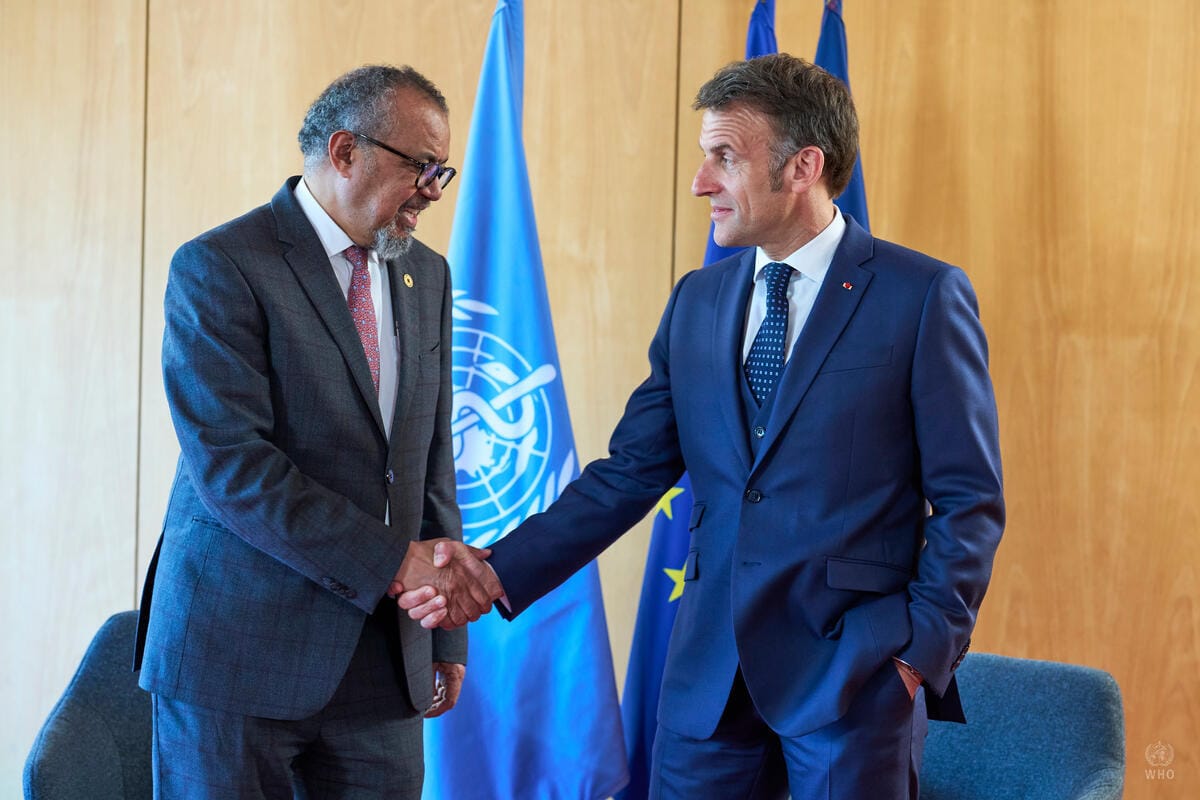
Ebola outbreak expands and WHO condemns attacks on health facilities
The Ebola outbreak in the Democratic Republic of the Congo (DRC) continues to worsen, with WHO reporting an average of 38 new confirmed cases each day over the past two weeks. According to the WHO, there are now 1,406 confirmed cases and 438 deaths.
WHO Director General, Dr Tedros Adhanom Ghebreyesus said treatment capacity and laboratory testing have increased, while a clinical trial evaluating two experimental treatments has now begun.
The Director General condemned attacks on health facilities that have disrupted the response. "Such acts not only endanger patients and health workers, but also impede efforts to stop transmission and save lives," he said.
WHO’s Dr Vasee Moorthy said the trial could eventually enrol more than 1,000 patients and may continue into next year: "We will absolutely prioritise patient safety and healthcare worker safety in gradually expanding this trial." WHO is establishing community advisory panels with representatives from all of the relevant trusted stakeholder groups including healthcare workers, community leaders and faith groups.
Marburg: A single case of Marburg virus disease has been identified in Uganda. The case was identified through enhanced surveillance established during the Ebola response. WHO says all identified contacts are being monitored and, so far, none have developed symptoms.
"We are supporting them in Uganda to investigate this case, following up all the contacts, and we will offer more information as it becomes available," said Dr Chikwe Ihekweazu, Executive Director of WHO's Health Emergencies Programme. Officials said it is too early to determine whether experimental Marburg vaccines will be used, as that will depend on the scale of the outbreak.
WHO declares cruise ship hantavirus outbreak over
The World Health Organization (WHO) has officially declared the hantavirus outbreak linked to the cruise ship MB Hondius over after the final contact completed quarantine and tested negative.
WHO Director General Dr Tedros Adhanom Ghebreyesus said there have been no new cases since 25 May: "We're therefore very pleased to say that WHO considers the outbreak of hantavirus over."
The outbreak resulted in 13 confirmed cases, including three deaths, with more than 650 contacts monitored across 33 countries and territories.
Despite the declaration, WHO stressed that hantaviruses remain a public health threat, especially in South America.
“Although the outbreak is over, WHO will continue working with governments and partners to advance our understanding of this outbreak and of hantavirus more generally, we're also coordinating a study involving 21 countries to understand how the disease develops, which will support the development of diagnostics, therapeutics, and vaccines for future outbreaks, underlining the need for improved diagnostics, treatments and vaccines for future outbreaks,” said Tedros.