
Can the EU resist US pressure on medicine prices?
At European consumer group BEUC event, speakers say the EU must stand firm against US demands for higher drug prices

Europe should resist US pressure to pay more for medicines and present a united front rather than allowing Washington to negotiate on a country-by-country basis, speakers said during a debate organised by the EU consumer organisation BEUC.
The discussion comes as the Trump administration intensifies efforts to reshape pharmaceutical pricing abroad through its "Most Favored Nation" (MFN) policy. After striking a deal with the UK, Washington has turned its attention to Germany, launching a Section 301 investigation into whether the country's pharmaceutical pricing policies discriminate against US companies. The investigation could ultimately lead to additional tariffs.
 Catherine Feore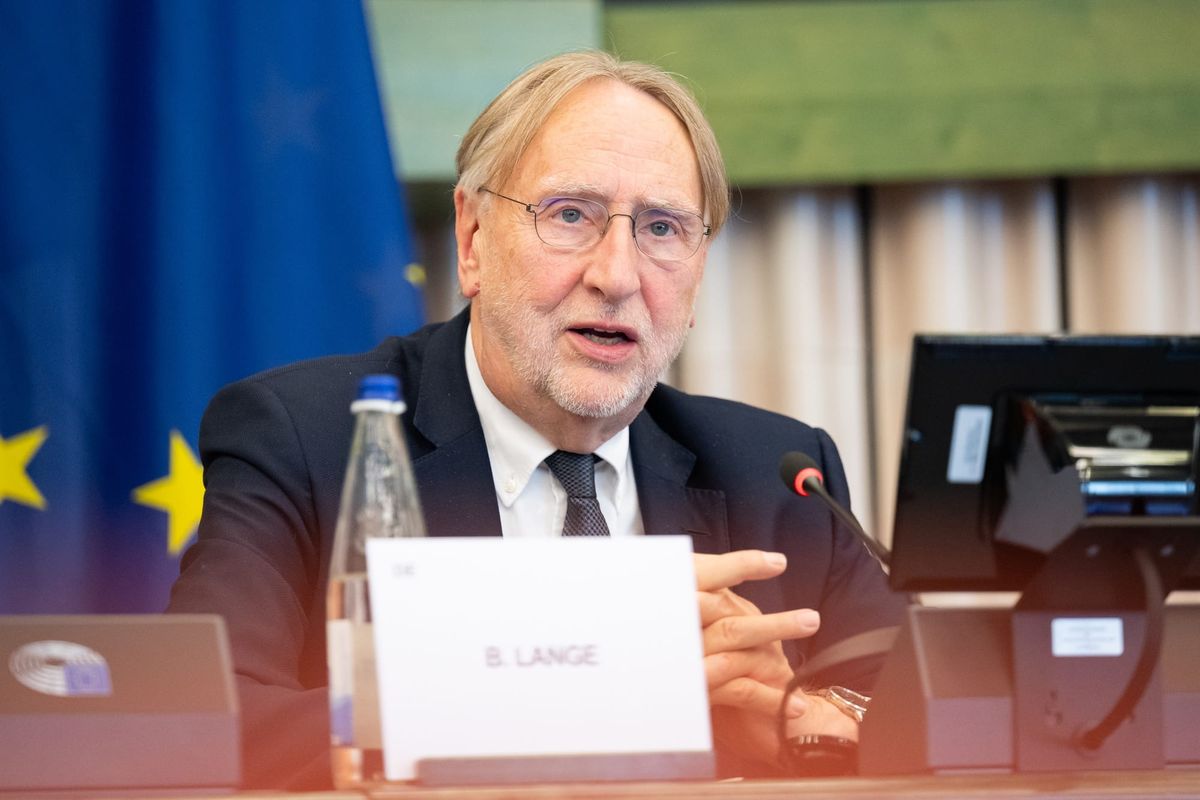
Peter Maybarduk, director of the Access to Medicines programme at US advocacy group Public Citizen, urged Europe not to give ground.
"You have to start by saying absolutely not — our medicines pricing and our health are off limits," he said. "Trump is a bully, so is the pharmaceutical industry. If you seek to accommodate them, they will keep coming back and taking your lunch money."
Maybarduk argued that Europe already has legal tools if pharmaceutical companies delay or refuse to launch medicines in response to pricing disputes.
"If a company is exercising their nuclear option and saying we're just not going to sell, or delaying entry into a market, you can issue a compulsory licence and authorise generic competition," he said. "That is the most basic reason compulsory licensing exists."
He argued that the administration's strategy undermines its own stated objective.
"What Trump is trying to do is counterproductive [...] he's trying to raise the prices that would then be used as reference prices for the United States," he said. "Using trade policy to force Europe to pay higher prices is inappropriate bullying that won't help consumers."
Charlotte Roffiaen, EU affairs adviser at France Assos Santé, said pharmaceutical companies were using patients as leverage.
"We do not only feel threatened — we feel blackmailed by industry right now," she said. "The message is that if you do not agree to higher prices, you will lose access to medicines. That's what I call blackmail."
She urged EU governments not to allow Washington to divide member states through bilateral negotiations.
Rather than rewarding companies that continue supplying individual markets, Roffiaen argued the EU should strengthen solidarity between member states. If a company refused to launch a medicine in one EU country, she suggested, it should face consequences across the single market.
Benedetta Baldini, senior policy adviser at the European Social Insurance Platform (ESIP), said Europe was already grappling with "an unprecedented increase in pharma prices" and warned against diverting healthcare budgets to industrial policy.
"Health in Europe is not, and will never be, a commodity," she said. "Health in Europe is a social right," Baldini.
Director-general of Medicines for Europe Adrian van den Hoven said any response should come from Brussels, not national capitals.
"It is actually the European Union that should be negotiating," he said, questioning whether the European Commission could allow member states to strike separate deals with Washington.
He also argued that Europe could strengthen its position by expanding the use of biosimilars, generating an estimated €10-12 billion in savings that could be reinvested in healthcare.
Van den Hoven also called for cooperation with the US where interests align, including expanding biosimilar competition in the American market and strengthening pharmaceutical supply chains.
"We could help the US open up the biosimilar market to competition," he said. "We still produce critical antibiotics, critical hospital medicines and critical active pharmaceutical ingredients. Europe could be a good partner."
A recurring theme throughout the debate was that the underlying problem lies not with European pricing systems, but with the US pharmaceutical market.
"It's not Europe's fault that you have sensible policies to negotiate lower prices," Maybarduk said. "The answer is to lower US prices, not to force Europe to raise theirs."