
Inside EU Health: European pharma chiefs call for action; EU cloud and AI rules; data protection; US ups pressure on Germany; sport
Nine pharma chiefs urge action; EU Cloud and AI Rules must not create barriers for European pharma; call for patient data safeguards in Digital Omnibus; US ups pressure on Germany; more Europeans turn to exercise for physical and mental health
Nine pharma chiefs urge action as Europe loses ground to US and China
In an open letter, nine leading European pharma chiefs issue a stark warning to governments as drug development increasingly shifts towards the US and China.
“In our boardrooms, we see Europe losing ground to global competition,” the companies’ chairs said in an open letter. They pointed to more than $600 billion in pharmaceutical investment announced in the US and China over the past two years and warned: “European governments must create conditions that attract investment in next-generation medicines before it’s too late.”
 Catherine Feore
EU Cloud and AI Rules must not create barriers for European pharma, EFPIA warns
EFPIA has cautiously welcomed the European Commission’s proposed Cloud and AI Development Act (CADA), while warning that sovereignty requirements could create barriers to pharmaceutical research.
The industry group says rules that restrict cross-border data processing or access to global cloud and AI providers could increase costs and fragment international research networks. EFPIA is calling for a risk-based, technology-neutral approach and greater alignment with existing EU digital and pharmaceutical legislation.
 Catherine Feore
European health and consumer groups call for patient data safeguards in Digital Omnibus
Nine European organisations representing healthcare professionals, patients and consumers have issued a joint statement urging EU lawmakers not to weaken patient data protections in the Digital Omnibus. While acknowledging digital benefits, they say that simplification must not come at the expense of “patient confidentiality, professional secrecy or trust in healthcare”.
The statement highlights that sensitive health information can be revealed or inferred not only from medical records, but also through online searches, purchases, pharmacy interactions, health websites, wearables and apps. They call for strong protections for health and inferred health data, including data used in AI.
The statement also calls for “meaningful human oversight” where automated decisions could significantly affect patients. The signatories stress that healthcare innovation “must be built on trust” and urge EU lawmakers to maintain strong safeguards for sensitive health information.
 Catherine Feore
German drug pricing faces US pressure as Metsola calls for a deal
Germany’s pharmaceutical pricing system came under sustained pressure at a US Trade Representative hearing, with most pharma witnesses opposing the country’s approach to paying for innovative medicines and its recently adopted cost-cutting measures. AbbVie argued German cost controls undervalue innovation and shift costs onto the US.
Asked about the issue, European Parliament President Roberta Metsola called for a US-German compromise, even as pharmaceutical pricing remains primarily a national competence.
The dispute follows a controversial UK-US medicines agreement. While pharmaceutical companies have welcomed US measures expected to increase industry revenues, critics warn that paying substantially more for medicines could divert scarce resources from other healthcare services and undermine taxpayer value.
 Catherine Feore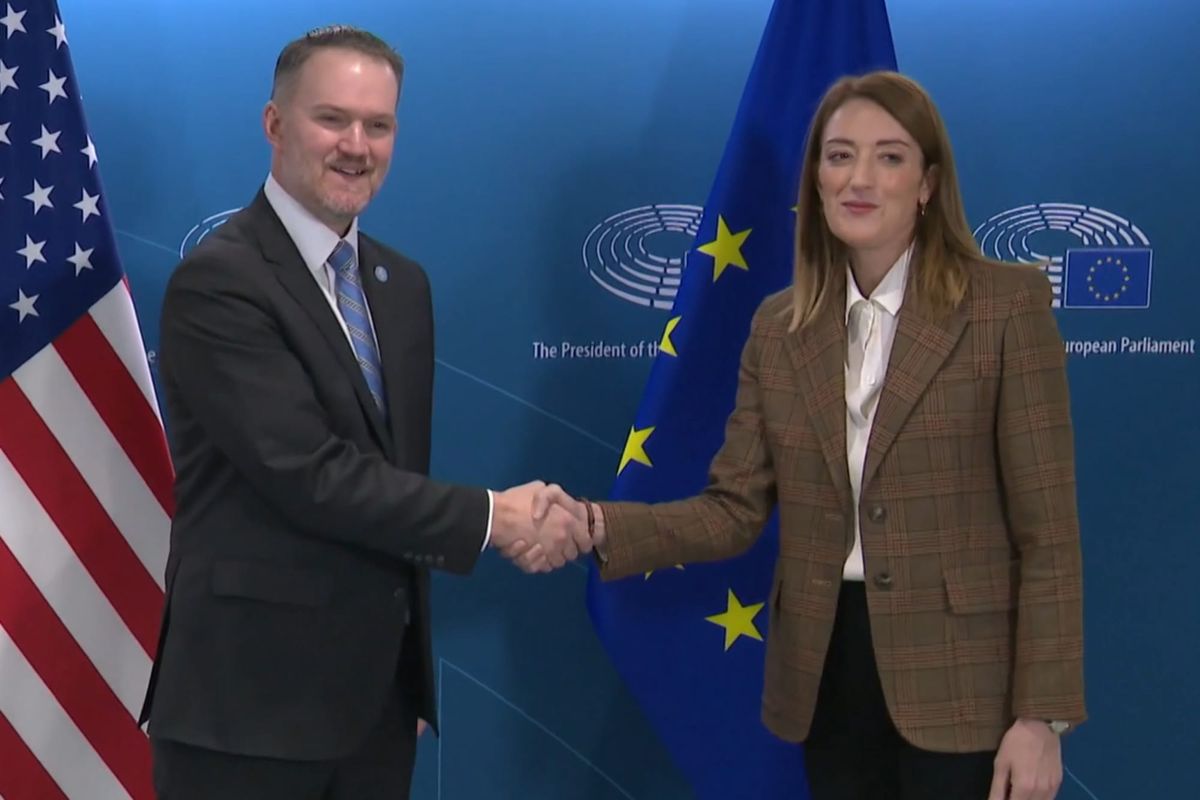
More Europeans turn to exercise for physical and mental health
More Europeans are exercising more regularly, driven by concerns about both their physical and mental health.
The European Commission’s 2026 Eurobarometer found that 38% of EU citizens now exercise several times a week, up six percentage points from 2022, while 9% exercise almost daily. The proportion who never exercise or play sport has fallen from 45% to 39%.
More Europeans are getting active, but the opportunity to take part still depends too much on income, age and education,” said Roxana Mînzatu, Executive Vice-President for Social Rights and Skills, Quality Jobs and Preparedness.
 Catherine Feore