
Nine pharma chiefs urge action as Europe loses ground to US and China
Nine leading European pharma chiefs issue a stark warning to governments as drug development increasingly shifts towards the US and China

The chairs of nine of Europe’s biggest pharmaceutical companies have warned governments that the continent risks losing investment, research and drug development to the US and China unless policymakers move quickly to make Europe more attractive to innovative medicines.
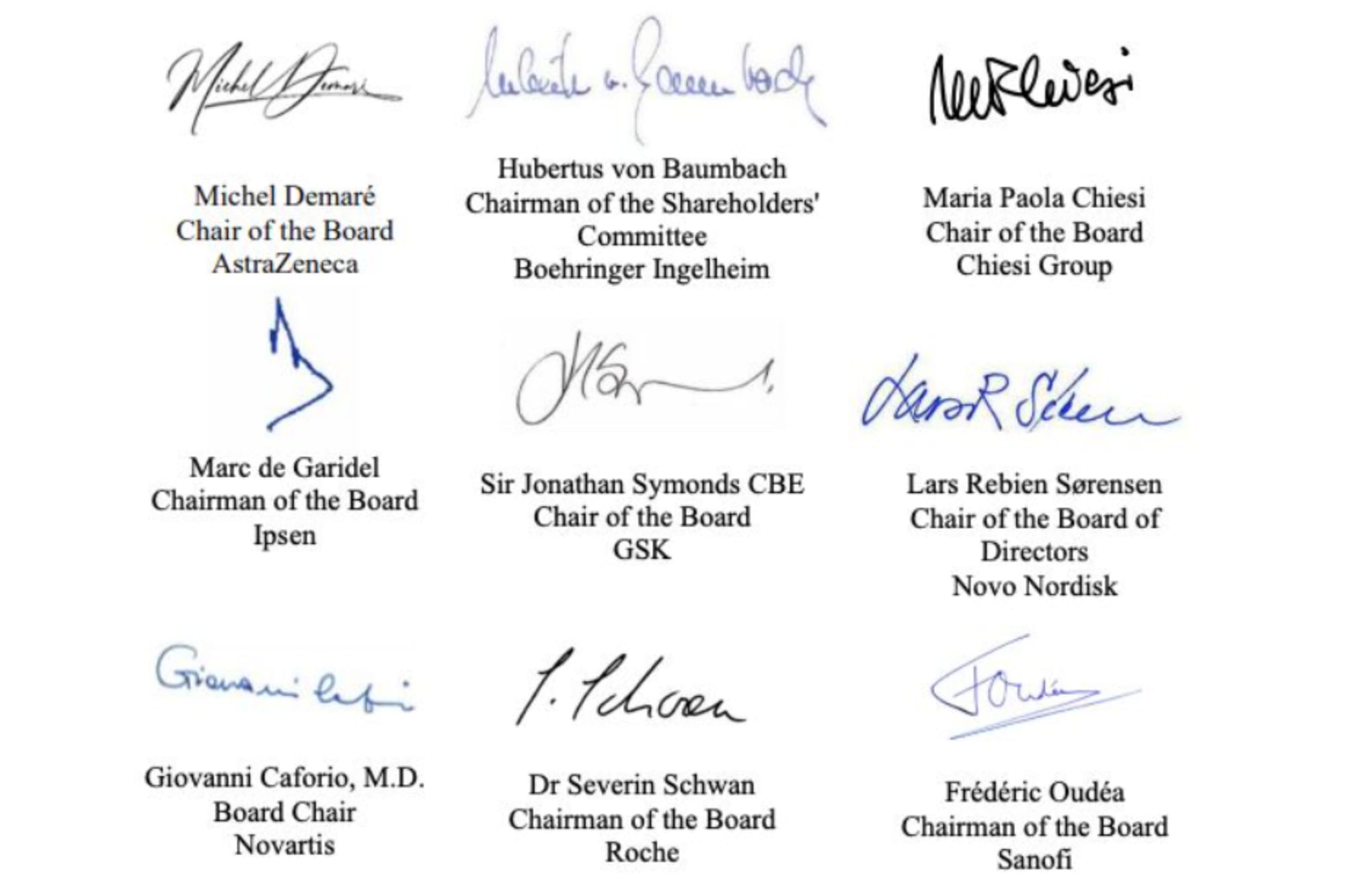
The intervention from AstraZeneca, Boehringer Ingelheim, Chiesi, Ipsen, GSK, Novo Nordisk, Novartis, Roche and Sanofi adds to pressure on European decision-makers already grappling with the potential consequences of US "most-favored-nation" drug-pricing policies.
“In our boardrooms, we see Europe losing ground to global competition,” the companies’ chairs said in an open letter. They pointed to more than $600 billion in pharmaceutical investment announced in the US and China over the past two years and warned: “European governments must create conditions that attract investment in next-generation medicines before it’s too late.”
While assessments of the impact of Washington’s approach on Europe by the European Commission have so far been cautious, European governments, particularly those with large branded pharmaceutical industries, are increasingly concerned about protecting one of the sectors in which the continent remains in a strong position in innovation - for now.
The executives said Europe’s share of global pharmaceutical R&D had fallen from 43% in 1990 to 31%, while its share of commercial clinical trials had halved in a decade to 9%. China, they said, has overtaken Europe in clinical trials, pharmaceutical patents and development of new medicines. The loss of share reflects China's economic rise since 1990, when its market share was relatively low, so this growth is not surprising. However, as with steel, solar panels, cars, Europe worries that it will be eclipsed.
The companies are calling for faster clinical trials, stronger intellectual-property protection and digital policies supportive of innovation, alongside increased national spending on new medicines and faster access for patients.
“Just like defence or energy, modern medicines should be treated as vital infrastructure and not be left to others to provide,” they said.
Nathalie Moll, director general of EFPIA, the trade body for branded pharma, said the competitiveness debate could not be separated from access to medicines. “If Europe wants the research, clinical trials and medicines of tomorrow to be developed here, it also needs to choose to value and use innovation today and ensure European patients can access it.”
Her conclusion is stark: “Europe does not need another diagnosis. It needs action. And it needs it now.”