More Europeans turn to exercise for physical and mental health
Europeans are exercising more frequently than in 2022, with physical and mental health among the main motivations for becoming more active
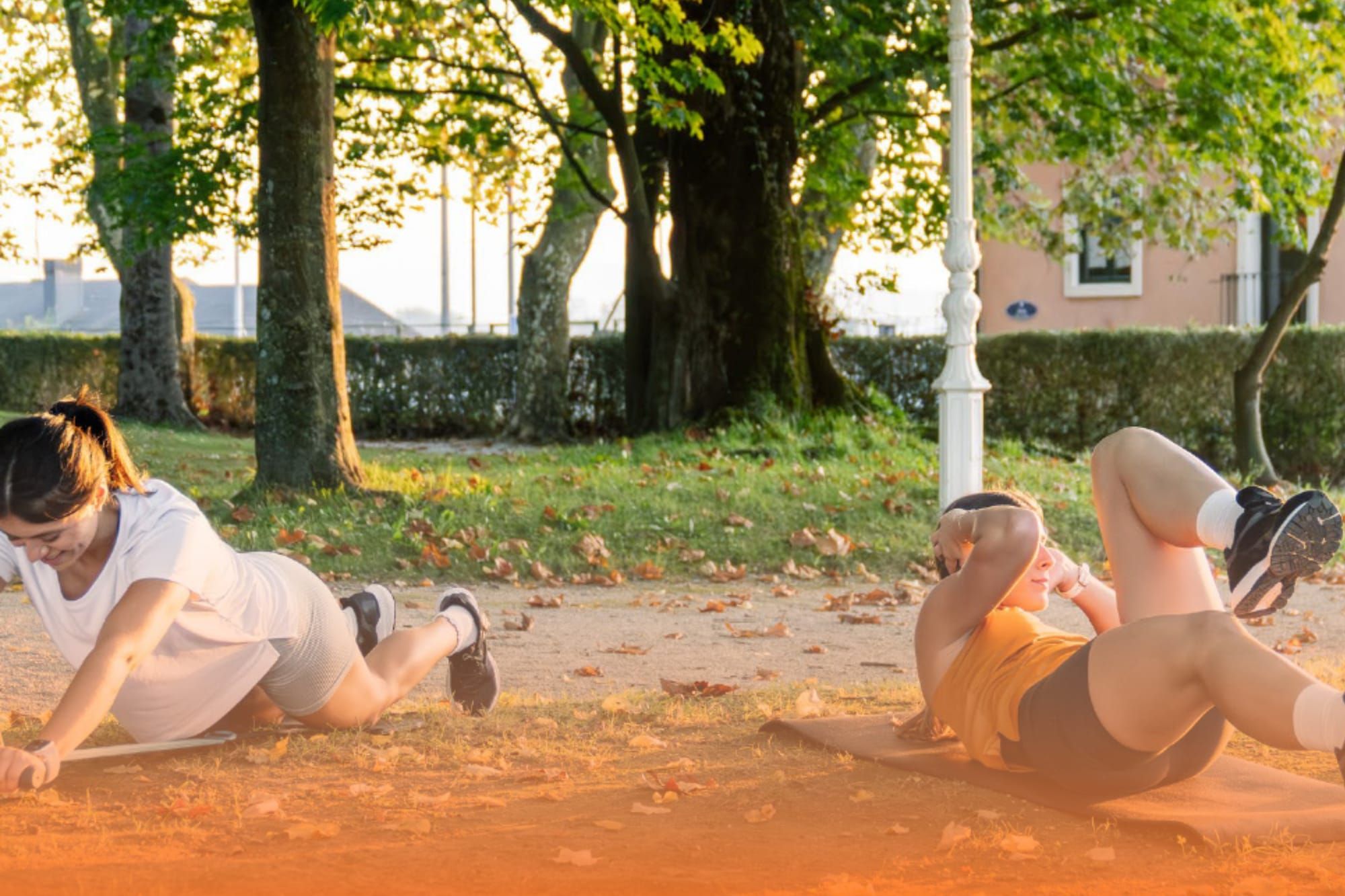
More Europeans are exercising more regularly, driven by concerns about both their physical and mental health.
The European Commission’s 2026 Eurobarometer found that 38% of EU citizens now exercise several times a week, up six percentage points from 2022, while 9% exercise almost daily. The proportion who never exercise or play sport has fallen from 45% to 39%.
“More Europeans are moving and that is great news,” said Glenn Micallef, European Commissioner for Intergenerational Fairness, Youth, Culture and Sport. “We are helping make active lifestyles more accessible and part of everyday life.”
But officials cautioned that access remains uneven. “More Europeans are getting active, but the opportunity to take part still depends too much on income, age and education,” said Roxana Mînzatu, Executive Vice-President for Social Rights and Skills, Quality Jobs and Preparedness.
Health is at the heart of the shift. Improving or maintaining physical health is the leading motivation for exercise, cited by 44% of Europeans. Relaxation motivates 39%, while 26% specifically exercise to improve their mental health.
Outdoor spaces remain the most popular places for Europeans to be physically active, with 47% of those who exercise or undertake physical activity for non-sport-related reasons doing so in parks or other outdoor settings. Active commuting has recorded a sharp increase, with people travelling between home and school, work or shops, up 13 percentage points.
The findings also show growing everyday physical activity, with active commuting rising from 24% to 37%. However, the health picture is mixed: the share of Europeans sitting for more than five-and-a-half hours a day has increased by four percentage points since 2022.
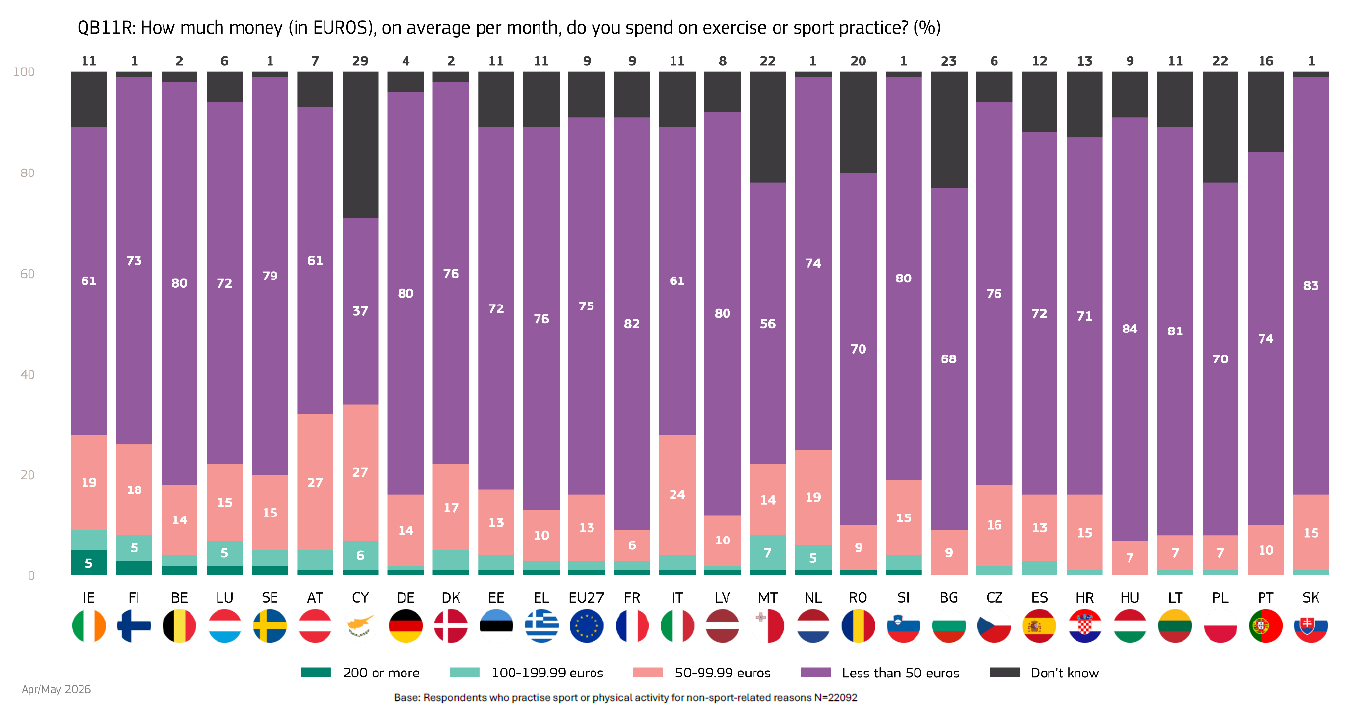
Most Europeans spend relatively little on exercise and sport, with 75% of those practising physical activity for non-sport-related reasons spending less than €50 a month. A further 13% spend between €50 and €99.99, while only 3% report spending €100 or more per month.