
Germany drug pricing faces US scrutiny as Metsola calls for a deal
US pressure on Germany to pay more for innovative medicines is intensifying
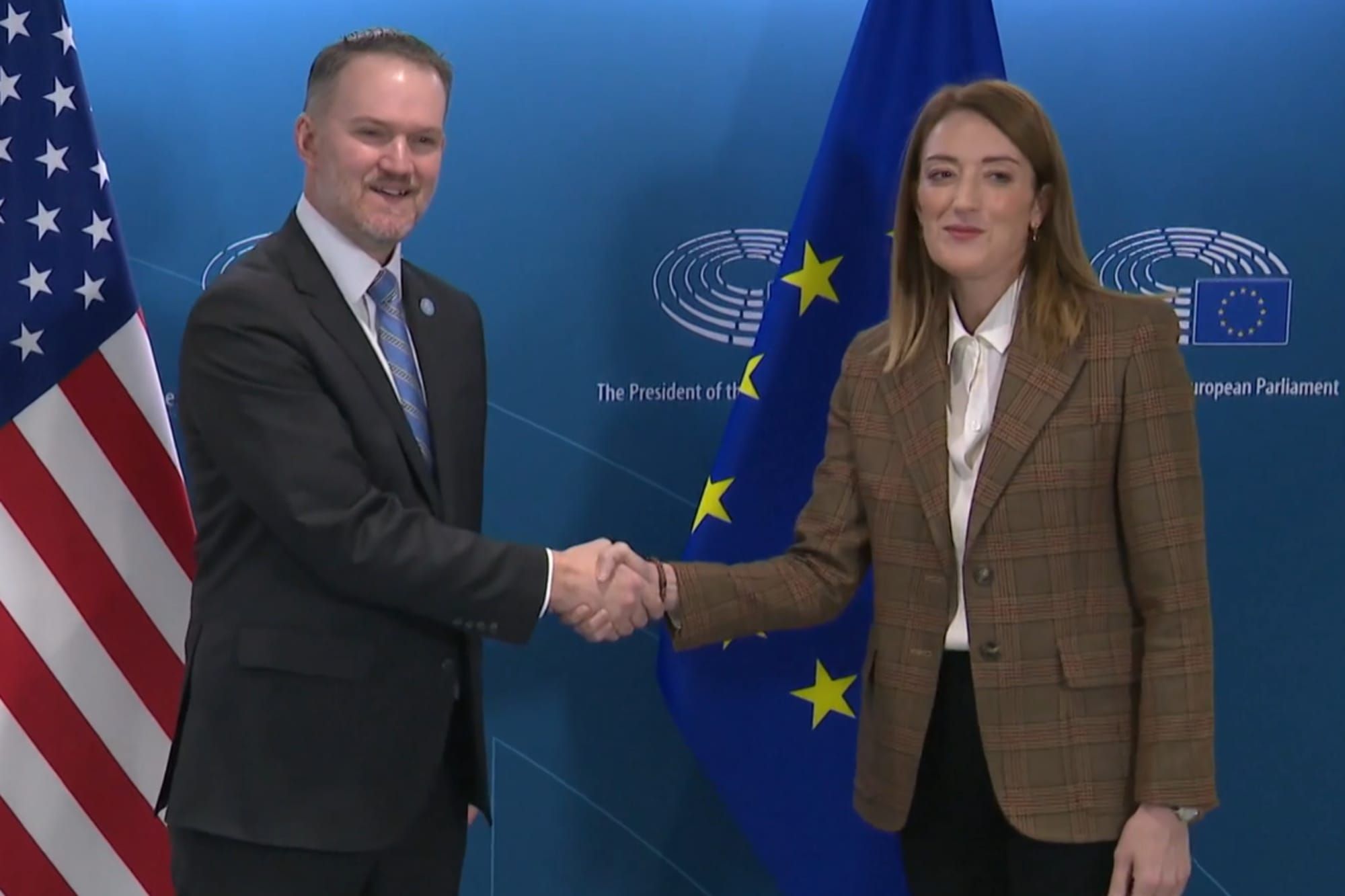
Pharmaceutical companies urged Washington to challenge Germany’s medicines pricing at a USTR hearing, as European Parliament President Roberta Metsola made an unusual intervention calling for a compromise
Germany’s pharmaceutical pricing system faced sustained criticism at an Office of the United States Trade Representative (USTR) public hearing (22 September), the title for the discussion was “Germany’s persistent underpayment for innovative pharmaceutical products”.
Germany has recently proposed changes to increase mandatory manufacturer rebates from 7% to 15.5% and to introduce additional volume-based penalties. At an event earlier in the year, the Deputy Chairwoman of German insurer GKV-Spitzenverband, Stefanie Stoff-Ahnis, pointed to the need for reform, saying that expenditure on medicine had more than doubled from 2012 to 2025 from EUR €27 billion to € 58.5 billion; for new medicines, the amount spent had almost tripled.
Most of the nine witnesses opposed Germany’s cost control measures, with pharmaceutical companies arguing that European cost controls, in general, shift a disproportionate share of financing medical innovation onto the United States.
AbbVie’s Executive Vice President Perry Siatis told the hearing that “Germany's policies are moving in the opposite direction” from encouraging investment in better health outcomes. He warned that “systematic undervaluation of innovation” risks weakening investment needed for future medicines. AbbVie claims Germany’s combination of rebates and other measures can reduce the value of an innovative medicine by nearly 54%.
Asked about the issue by POLITICO journalists in New York, European Parliament President Roberta Metsola, said she supported a US-German compromise to avoid an “impossible race on drugs.” The comment is an unusual overreach by Metsola, given that the Parliament has no role in national pricing and reimbursement decisions, although the European Parliament would have a role if a US decision resulted in tariffs and challenged the provisions of the EU/US Turnberry trade deal.
While pharmaceutical groups have welcomed measures expected to improve industry revenues, critics have questioned the Trump administration's aggressive approach. The UK’s decision to reach a deal with the US following similar claims has not gone without criticism.
An analysis published in The BMJ estimates that additional NHS expenditure could reach £44.7 billion by 2036 and, if it displaced other healthcare spending, contribute to around 229,000 excess deaths. The Nuffield Trust has criticised the UK deal for lacking transparency: “Decisions about how [the NHS] resources are allocated and who they benefit have a huge significance across communities and should be subject to the highest standards of public accountability.”
As Washington increases pressure on countries to pay more for innovative medicines, the UK experience suggests the debate will concern not only trade relations, but also how the costs and benefits are distributed between pharmaceutical companies, taxpayers and healthcare systems.