Inside EU Health: Critical Medicines Act; Urban Wastewater Treatment; novel nicotine; hantavirus update
Várhelyi says critical medicines deal possible as early as next week; Várhelyi ‘partner for any solution’ on Urban Wastewater Treatment Directive; novel nicotine products will be treated like cigarettes; latest WHO briefing on hantavirus
Critical medicines deal possible as early as next week
European Health Commissioner Olivér Várhelyi said a political agreement on the EU’s Critical Medicines Act could be reached as early as next week, ahead of a key trilogue between the European Parliament and Council tabled for Monday, 11 May.
Speaking during a structured dialogue with the European Parliament’s Public Health Committee (SANT), Várhelyi said he welcomed the progress already made in negotiations and believed an agreement was within reach because of the urgency surrounding medicine shortages and supply chain resilience in Europe.
“I am convinced that reaching an agreement in the next trilogue next week on the 11th is possible,” the Commissioner told MEPs.
Lead MEP on this file, Tomislav Sokol (Croatia, EPP), also expressed optimism about the negotiations, describing the Act as central to achieving both “strategic autonomy” and equal access to medicines across the EU.
Sokol said he hoped negotiators would make “a significant breakthrough” during the upcoming trilogue talks, even if a final agreement was not yet guaranteed.
The proposed Critical Medicines Act is designed to strengthen Europe’s pharmaceutical supply chains, reduce dependencies on third countries and improve access to essential medicines. Initially sparked by shortages during COVID, recent geopolitical strains have underscored the problems of dependence on supplies from outside the EU.
Várhelyi ‘partner for any solution’ on Urban Wastewater Treatment Directive
Várhelyi offered reassurance to MEPs concerned that implementation of the Urban Wastewater Treatment Directive could undermine access to essential medicines
Tomislav Sokol MEP, has lead a charge with other EPP MEPs, to “stop-the-clock” on implementation, questioning the scientific basis of claims that a small number of medicines account for a majority of wastewater micropollutants.
“The more I get into it, the more questions are being raised,” Sokol said, suggesting the legislation risked damaging Europe’s pharmaceutical industry while the EU was simultaneously trying to strengthen strategic autonomy in medicines production.
In response, Várhelyi stressed that the directive had already been adopted and now needed to be implemented carefully, but he insisted the Commission recognised the risks associated with medicine shortages and pricing pressures.
He pointed to the Commission’s Water Resilience Strategy, adopted last year, which includes a principle that implementation of the Urban Wastewater Treatment Directive must not lead to “shortages, market withdrawals or significant additional costs” affecting national pricing and reimbursement systems.
The Commissioner signalled openness to adjustments and compromise solutions, telling MEPs he was “a partner for any solution” that preserves access to essential medicines while implementing the directive's environmental objectives.
The exchange reflects wider tensions within the EU simultaneously pushing policies aimed at reducing pharmaceutical dependencies and preventing critical medicine shortages.
 Catherine Feore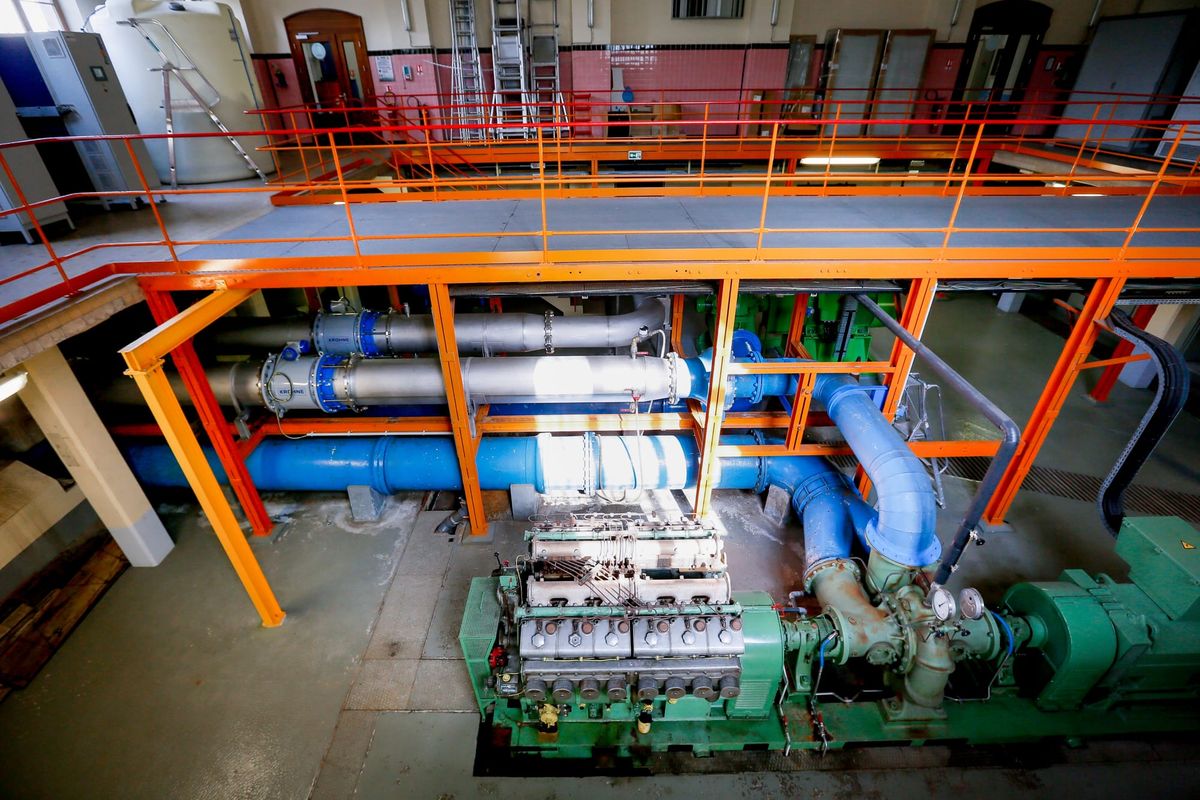
Novel nicotine products will be treated like cigarettes
Commissioner Várhelyi told MEPs the Commission has already launched an impact assessment and wider consultation process, but stressed that the first evaluation found that novel nicotine products should be considered to pose “a similar level of risk to classic products”.
Several MEPs pressed the Commission on how it would deal with newer products such as nicotine pouches, heated tobacco and e-cigarettes.
Vytenis Andriukaitis (Lithuania, S&D) urged the Commission to act more aggressively against products increasingly attractive to young people, asking whether the revision would specifically address “novel tobacco products”.
Meanwhile, Swedish MEP Jessica Polfjärd (Renew) defended Sweden’s harm-reduction model, highlighting that Sweden has the EU’s lowest smoking rates while allowing alternatives such as snus and nicotine pouches. She asked whether the Commission intended to include nicotine pouches in the revised directive and whether it would draw lessons from the Swedish experience.
The Commissioner also pointed to the Commission’s earlier tax proposals, which would align taxation levels for newer nicotine products with traditional tobacco products, saying this reflected the Commission’s broader thinking.
Catherine Feore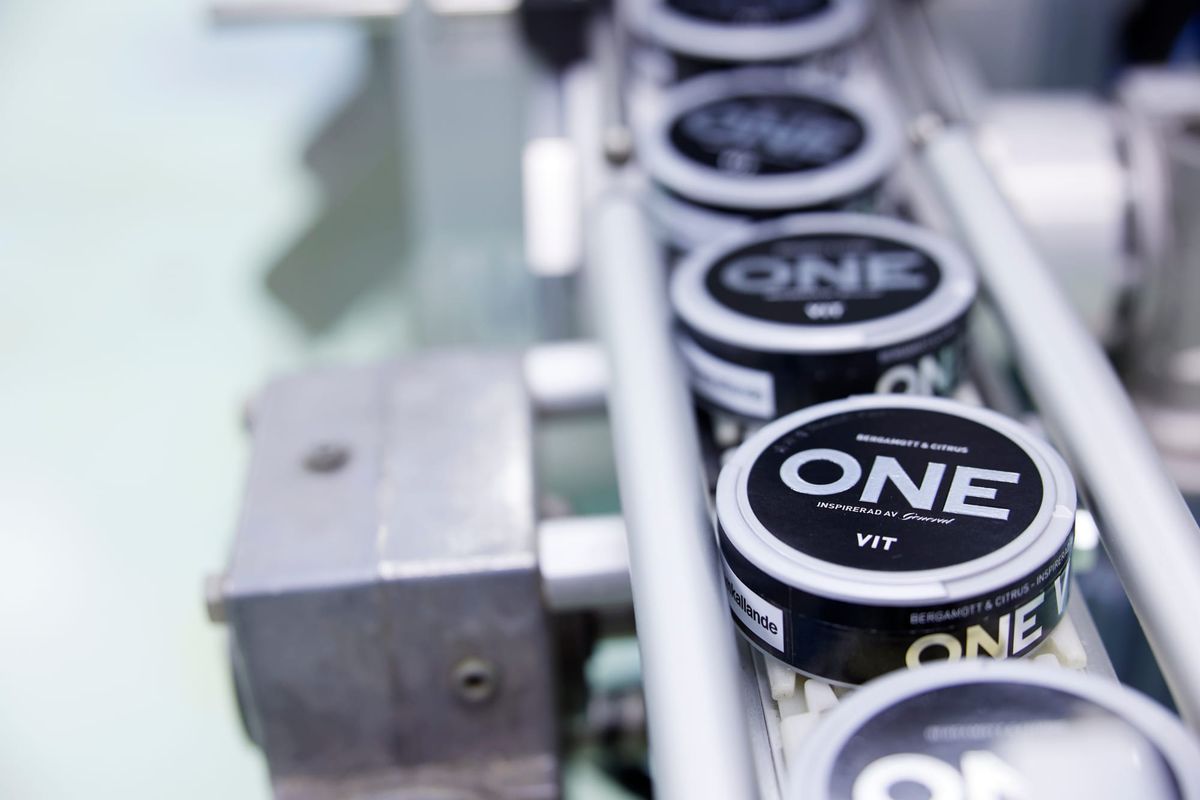
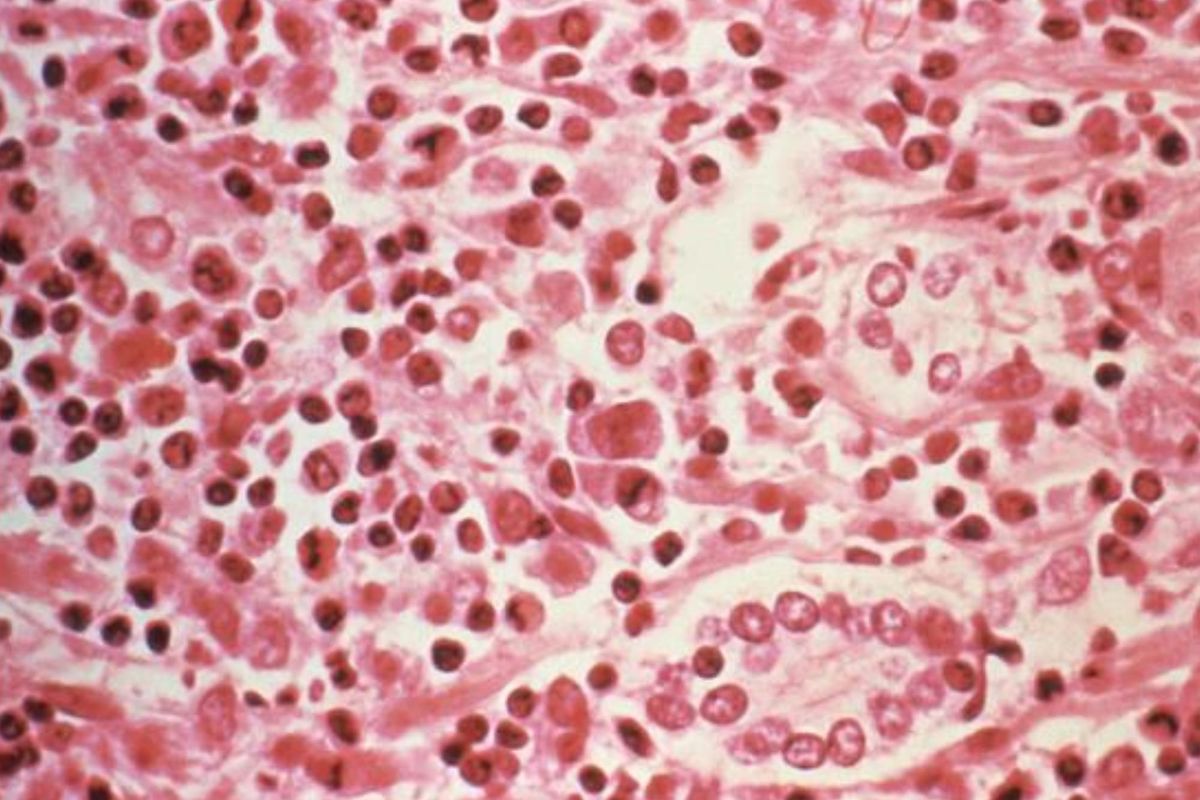
Latest WHO briefing on Hantavirus
Addressing reporters during a special briefing in Geneva, WHO Director-General Tedros Adhanom Ghebreyesus said health authorities were working closely with multiple governments to contain the outbreak and protect passengers and crew.
WHO confirmed that five of the cases have tested positive for hantavirus, specifically the Andes strain, which is found in Latin America and is capable of limited human-to-human transmission.
“While this is a serious incident, WHO assesses the public health risk as low,” Tedros stated.
Tedros praised the international response effort and thanked governments assisting with evacuations, surveillance and treatment.
WHO praises Spanish solidarity
“I thank Prime Minister Sánchez for his generosity, solidarity and meeting his moral duty,” he said, referring to Pedro Sánchez accepting the ship’s arrival in the Canary Islands.
Passengers aboard are confined to their cabins while WHO experts and European health officials conduct medical assessments and oversee disinfection measures.
“The passengers and crew are going through a very difficult and frightening situation,” he said.
Catherine Feore Catherine Feore