Hantavirus confirmed as rare human-to-human variant
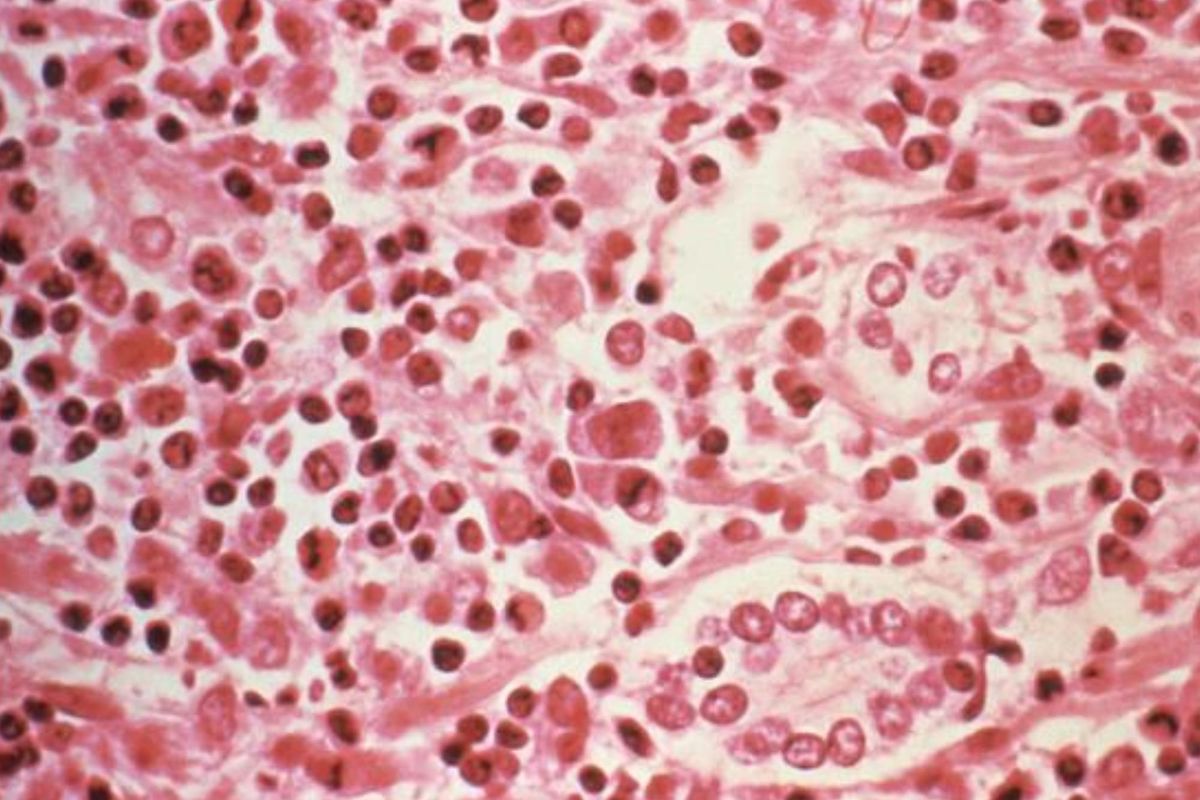
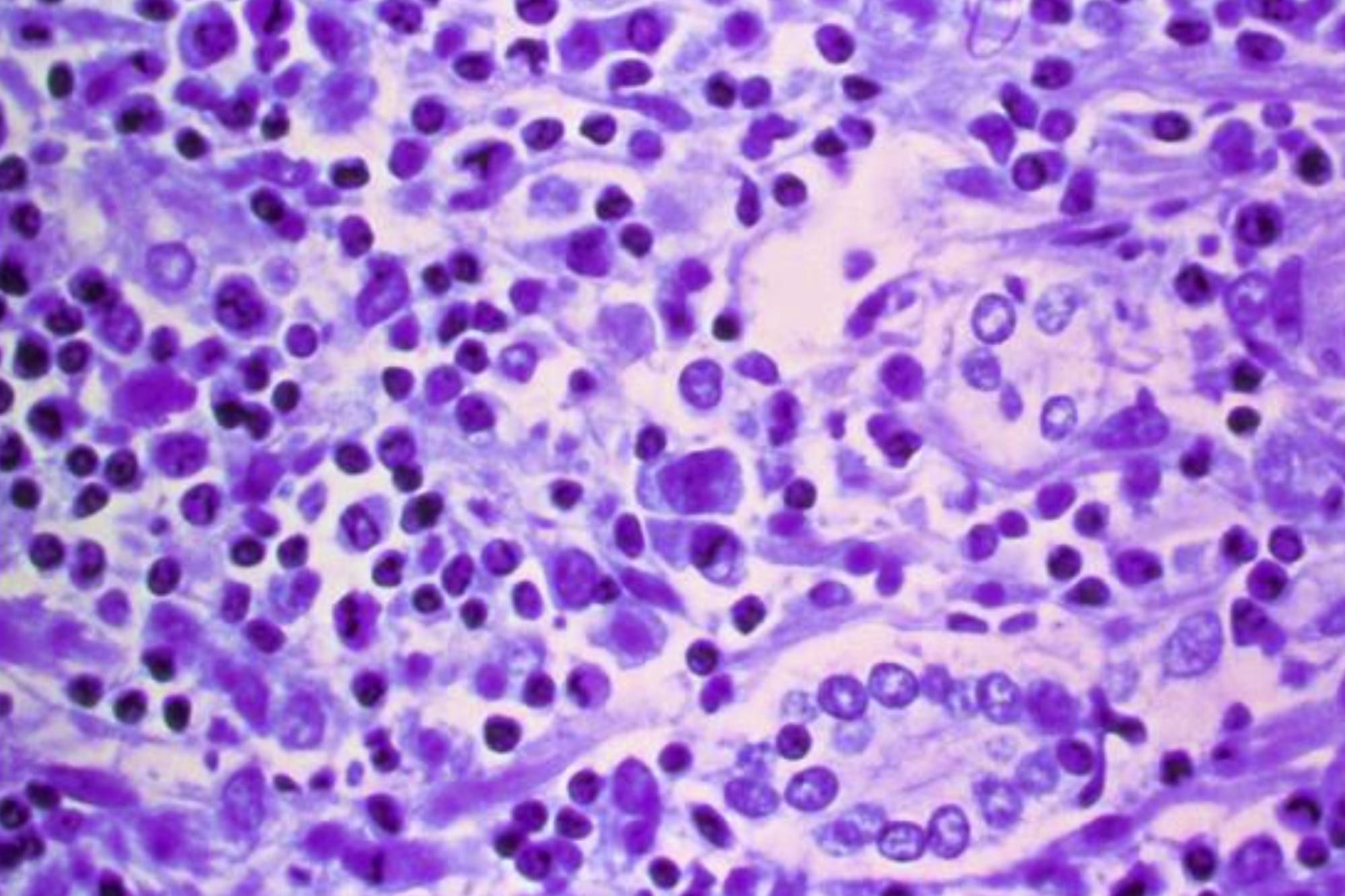
Laboratory testing by South African and Swiss reference laboratories identified the virus as Andes hantavirus — the only known hantavirus capable of person-to-person transmission
Health authorities are stepping up international monitoring and response efforts after additional cases linked to an Andes hantavirus outbreak aboard the expedition cruise vessel MV Hondius were confirmed in Europe.
The World Health Organization (WHO) confirmed today (6 May) that Swiss authorities had identified a hantavirus case in a passenger from the vessel after the individual presented to a hospital in Zurich.
According to WHO, the passenger sought medical care after responding to an email notification sent by the ship’s operator alerting travellers to the health event.
“The patient is currently receiving care at a hospital in Zurich, Switzerland,” WHO said in a statement.
“In line with the International Health Regulations (IHR), WHO is working with relevant countries to support international contact tracing, to ensure that those potentially exposed are monitored and that any further disease spread is limited.”
Laboratory analysis carried out by the National Institute for Communicable Diseases in South Africa and the Geneva University Hospitals in Switzerland has identified the pathogen as Andes hantavirus, a rare hantavirus strain endemic to parts of South America and the only hantavirus known to spread from person to person.
ECDC deploys expert to cruise ship
The European Centre for Disease Prevention and Control (ECDC) announced separately that it had deployed an expert from its EU Health Task Force directly to the vessel as part of a coordinated outbreak investigation.
The Stockholm-based agency said the deployment aims to support onboard investigations and help coordinate the public health response among European countries involved.
“Many uncertainties still remain with this hantavirus outbreak and it is important that we take a precautionary approach at this point in time to reduce the likelihood of further transmission,” said Pamela Rendi-Wagner.
The ECDC stressed that Andes hantavirus transmission between humans generally requires “close and prolonged contact” and said preventive measures had already been implemented aboard the ship to reduce infection risks among passengers and crew.
The agency also published a Threat Assessment Brief outlining recommendations for passengers, crew members, and authorities handling arriving travellers at EU ports of entry.
Given the virus’s potentially long incubation period and the uncertainties surrounding exposure events onboard, ECDC said additional precautionary measures may be necessary.
Spanish Health Minister Monica Garcia held a press conference (6 May) to say that the cruise ship would continue to Tenerife, where a medical assessment of all passengers would be carried out, with arrangements for repatriation put in place, unless their situation prevents it.
The regional government of Spain's Canary Islands raised objections, saying there is insufficient information to reassure the public.
 Catherine Feore