
Inside EU Health: Critical Medicines Act; Hantavirus ship; Várhelyi cleared
Cypriots compromise to seal critical medicines deal; Hantavirus ship disembarks in Tenerife; Várhelyi cleared in Commission spying investigation
Cypriots compromise to seal critical medicines deal
Today, negotiations on the Critical Medicines Act will enter their third - and possibly final - trilogue. Last week, Health Commissioner Olivér Várhely told MEPs on the SANT Committee he was “convinced” that reaching a deal on the 11th is possible.
So what gives? After weeks of deadlock with the European Parliament, Cyprus quietly pushed member states to approve a significantly revised negotiating mandate on 6 May. The diagnosis from Nicosia was blunt: “It is clear that the current mandate does not leave the Presidency with sufficient room for manoeuvre.”
The Cypriot Presidency wants to get this file over the line before its term runs out, so they put it plainly to their counterparts: something would have to give. We’re told that the proposed concessions had the full support of other states.
Olive branches: The Cypriot Presidency’s revised approach extends an olive branch to Parliament on files that stalled in previous negotiations.
MEPs wanted to significantly broaden the scope of ‘medicinal product of common interest’ to include orphan medicines, contraceptives, and abortifacients. The member states wanted to stick to a narrower definition of "critical", but seem willing to extend it to include orphan drugs.
MEPs wanted explicit financial support for strategic projects in the current budget and the EU’s next multiannual financial framework (MFF) 2028-2034. The Council is proposing vague language about a possible future contribution from the EU budget, but still rejects an explicit commitment under the future budget. A stronger commitment may be unrealistic, given that the Council is in the early stages of adopting its own ‘general approach’ on the budget.
‘Significant proportion’: MEPs pushed for a hard 50% “European preference” for EU manufacturing threshold in public tenders. Ministers, however, will ultimately have to defend those rules back home, including potentially higher costs. The compromise proposes extending the “Made in Europe” definition to EFTA countries and suggests awarding additional points for offers that specify manufacturing in the EU and/or apply a multi-winner approach.
The debate may ultimately outlive the Critical Medicines Act itself. The European Commission is already preparing a broader overhaul of EU procurement rules for late 2026, some diplomats see it as the more logical venue for resolving the bloc’s growing obsession with “Buy European”.
 Catherine Feore
Hantavirus ship disembarks in Tenerife
As of yesterday evening, 94 people of 19 nationalities have disembarked from the MV Hondius, which was hit by a hantavirus outbreak.
The ship anchored near the Tenerife industrial port of Grandilla on Sunday morning. WHO Director General Dr Tedros Adhanom Ghebreyesus assured Canarians that the area was not near residential areas and was sealed off, posing no threat. He also thanked Spanish Prime Minister Pedro Sánchez for Spain's decision to host the ship, “an act of solidarity and moral duty”.
Not so plain sailing: Standing at the port, Spanish Health Minister Monica Garcia said that eight flights had left yesterday and that one passenger, a French citizen, had shown symptoms during his flight. French authorities would implement their protocol to contain any threat this could pose, said Garcia.
rescEU: Crisis Management Commissioner Hadja Lahbib said the EU Civil Protection Mechanism was activated at Spain’s request, deploying a rescEU air ambulance from Norway to Tenerife and stationing an EU liaison officer on the ground. “We continue to coordinate closely with member states, participating states and partners,” Lahbib said, while additional evacuation capacities remain on standby.
Passengers were allowed to take only a small bag containing essential items. The remaining luggage and the dead passenger remain onboard. Thirty crew members will remain onboard and take the ship to Rotterdam, where it will be disinfected.
Catherine Feore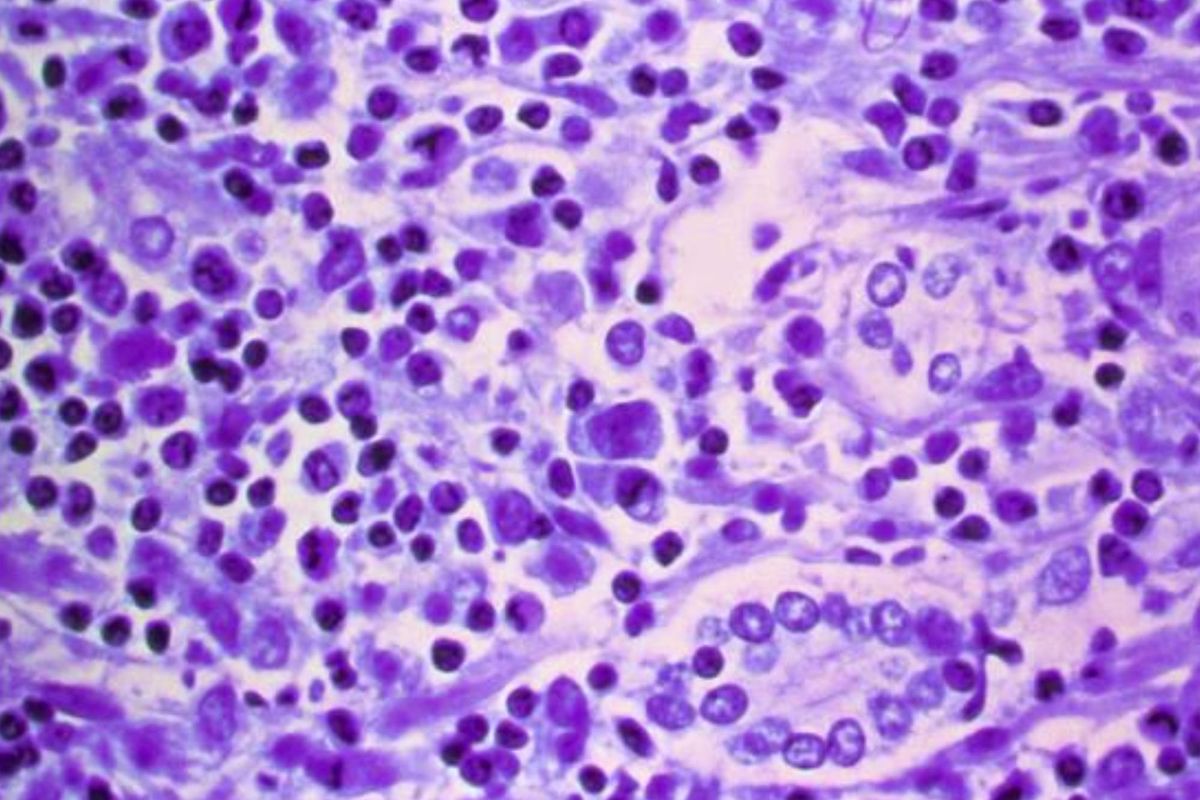
Várhelyi cleared in Commission spying investigation
Commissioner Olivér Várhelyi, who is enjoying his second mandate, seems to have received the all-clear after a seven-month internal European Commission investigation found no evidence of wrongdoing linked to allegations of a Hungarian spy network in Brussels during his time as Hungary’s permanent representative to the EU.
Commission spokesperson Balazs Ujvari said that, based on the information gathered during this investigation and the “tools at our disposal within the Commission”, it was not possible to attribute individual responsibility or involvement beyond that of the intelligence officers themselves.
Várhelyi looks set to continue in his role as Commissioner for Health and Food Safety under the second von der Leyen mandate. Recognized as one of the more experienced hands, he has taken on health with drive that has seen the Pharma Package negotiations completed, reforms on medical devices on their way, the CMA and Biotech Act, as well as the Safe Hearts Plan all in play.
The European Parliament have been informed of the Commission’s findings.
Catherine Feore