
EU seals deal on Critical Medicines Act after marathon talks
After 12 hours of overnight negotiations, EU lawmakers reached a provisional agreement on the Critical Medicines Act aimed at boosting Europe’s pharmaceutical resilience
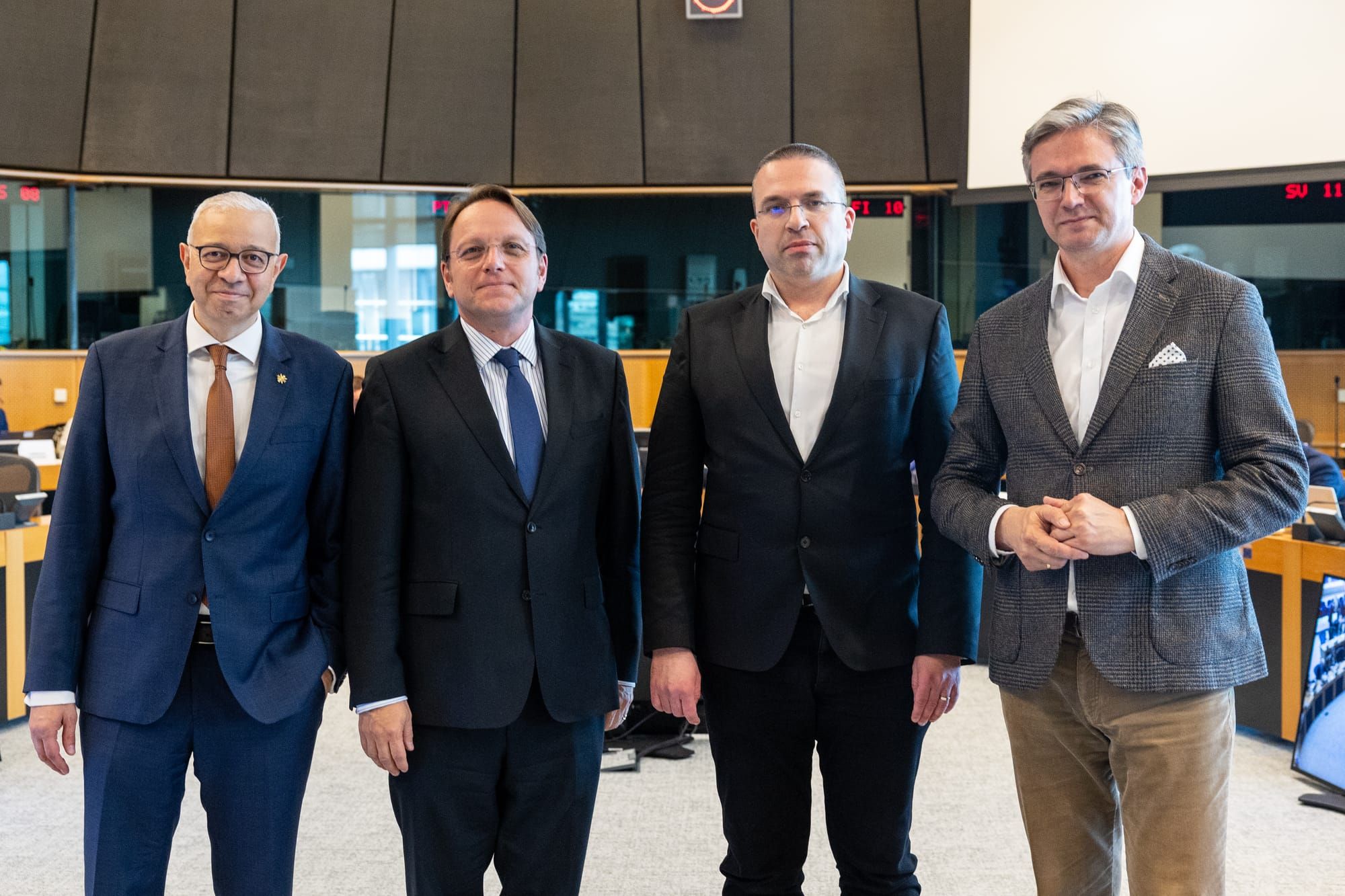
As anticipated in yesterday’s ‘Inside EU Health’, the Council and Parliament were able to reach a provisional agreement on the Critical Medicines Act (CMA). The deal was sealed at 5:40 this morning after a punishing 12 hours of negotiations. European policy making is not for the faint-hearted.
“Through today’s agreement we are placing patients’ interests firmly at the centre, strengthening Europe’s resilience and boosting the competitiveness of our pharmaceutical sector,” said rapporteur Tomislav Sokol (Croatia, EPP).
Missing piece in pharma legislation
Many of the issues that the Critical Medicines Act seeks to address: accessibility, affordability and availability of medicines were areas that were not fully agreed on in the General Pharmaceutical Legislation (GPL). It was hoped that the CMA could address some of the GPL’s shortcomings.
"The Critical Medicines Act is closely linked to the pharmaceutical package, the missing piece of the EU's response to medicines shortages following the creation of the critical medicines list and the Critical Medicines Alliance,” said SANT Public Health Committee Chair Adam Jarubas (Poland, EPP). “It implements the Pharmaceutical Strategy for Europe and marks a milestone for the European Health Union. It means greater medicines security for the Europeans, but it will also be an essential support for EU's reindustrialisation and competitiveness."
‘Made in Europe’
One of the key objectives of the CMA is to strengthen the resilience of critical medicine supply chains in the EU. The provisional agreement introduces an obligation for contracting authorities to apply “resilience-related requirements” in public procurement procedures for critical medicines.
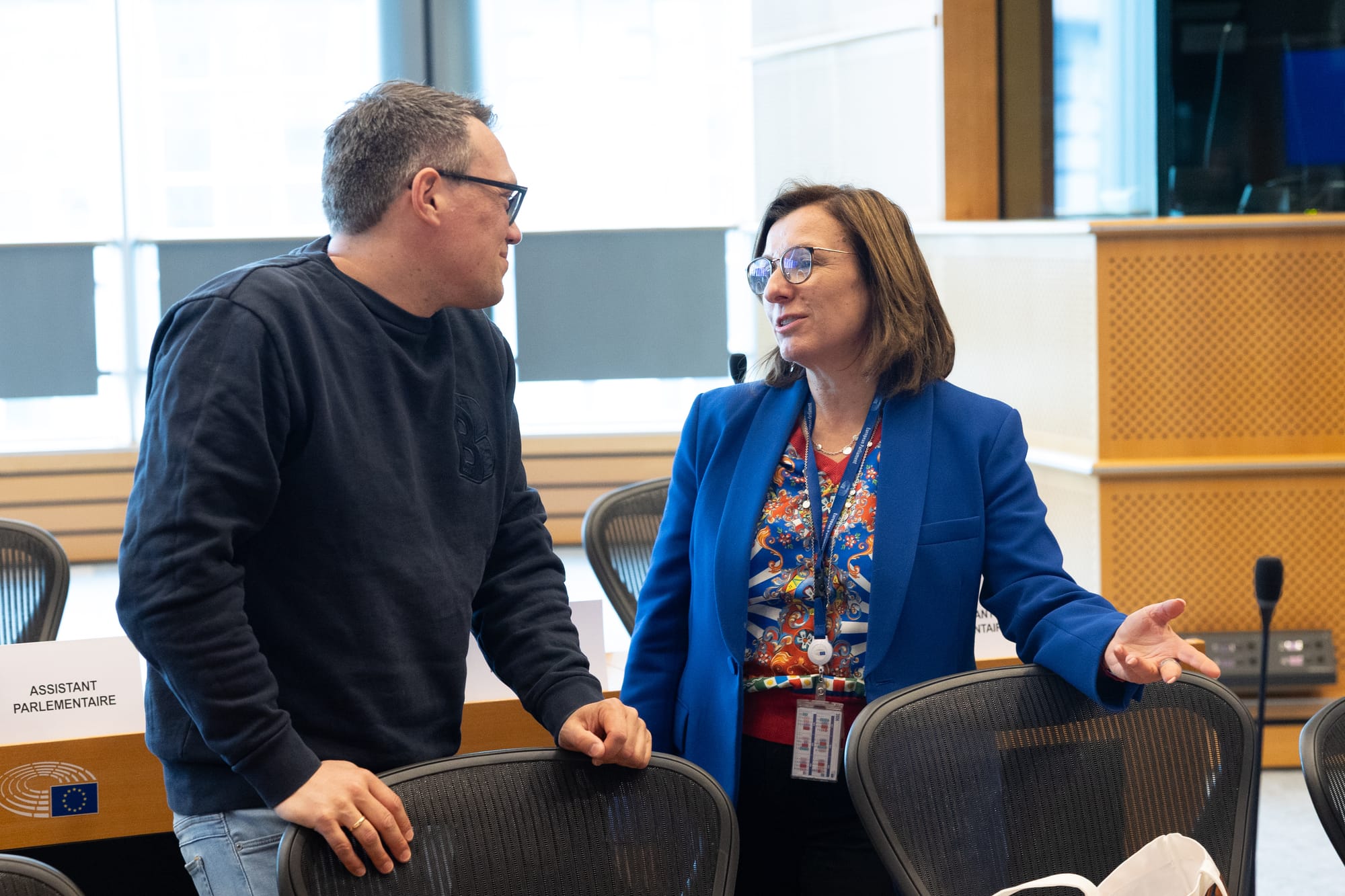
MEP Tiemo Wölken (Germany, S&D) said the CMA will be a tool to ramp up the EU’s production of critical medicinal products, strengthen Europe’s manufacturing autonomy, and reduce our dependence on third countries.
“After long and intense negotiations, I am pleased that we reached a deal that creates incentives to bring pharmaceutical production back to the Union, including through faster permitting procedures,” said Wölken. “We also secured a clear ‘made in EU’ procurement criterion, prioritizing procurement requirements that favour suppliers that manufacture critical medicinal products and their active substances within the European Union.”
EuropaBio, representing the Biotech sector, adds a note of caution: “While recognising policymakers’ efforts to strengthen European manufacturing capacity, EuropaBio reiterates that biopharmaceutical supply chains are inherently global. Building new biomanufacturing capabilities require long-term planning, sustained investment and a supportive regulatory framework.”
Voluntary collaborative procurement
The agreement foresees that the Commission will be required to initiate a procurement procedure on behalf of member states, when five or more countries request it; originally, nine states were required. The Commission may also act on its own initiative, inviting member states to submit a joint request.
“By introducing collaborative procurement at the EU level, we are taking concrete action to address shortages and ensure security of supply," said Sokol.
The European Confederation of Pharmaceutical Entrepreneurs (EUCOPE), which represents mostly small- to mid-sized innovative pharmaceutical companies were one of the first associations to react to the deal. EUCOPE makes it clear that they still have concerns that the collaborative approach remains voluntary: “Any form of compelled participation, whether through market or political leverage, may ultimately risk the effectiveness of the collaborative procurement mechanisms.”
Strategic projects
The text establishes a set of criteria for setting up industrial “strategic projects” located in the EU. Companies benefiting from national or EU financial support will have to meet clear obligations, including prioritising supply to the EU market.
Sokol said that strategic projects will benefit from access to national and EU funding and from faster and more efficient permitting procedures. There is isn't a hard commitment to funds in the next budget, there is a general reference to a possible financial contribution from the Union's general budget.
Orphan medicines
As foreseen, the Parliament was able to get its way, to a certain extent, on broadening the definition of medicinal products of common interest (MPCIs) to include orphan medicinal products. Orphan medicines can be considered under strategic projects and collaborative procurement proposals. However they would be "excluded from financial and regulatory support".
EUCOPE, Europabio and EFPIA are all opposed to the extended definition, claiming that it “will create uncertainty for companies”. EUCOPE argue that it comes at a time of increased price pressures from the US’s “Most-Favored Nation” policy. EUCOPE Secretary General Alexander Natz said it was critical that collaborative procurement is not used solely to lower prices and that any mechanism should remain a voluntary tool.
Stockpiling
The European Parliament has been unsuccessful in moving from a voluntary to mandatory approach to sharing when countries face shortages of critical medicines. This proposal was never likely to receive approval from the Council, but to reduce the negative impact of stockpiling by one country the co-legislators have stipulated that any contingency stock requirements should be “transparent and respect the principles of solidarity and proportionality”.
The Council and the Parliament have also introduced new measures allowing member states to share relevant information about contingency stock requirements. However the proposal remains voluntary.
Wölken welcomed the commitment by member states to actively exchange information on contingency stocks and coordinate stockpiling efforts to ensure that stockpiling in one country does not create shortages in another: “This is a crucial step towards a more resilient and coordinated European approach to medicine security.”
 Catherine Feore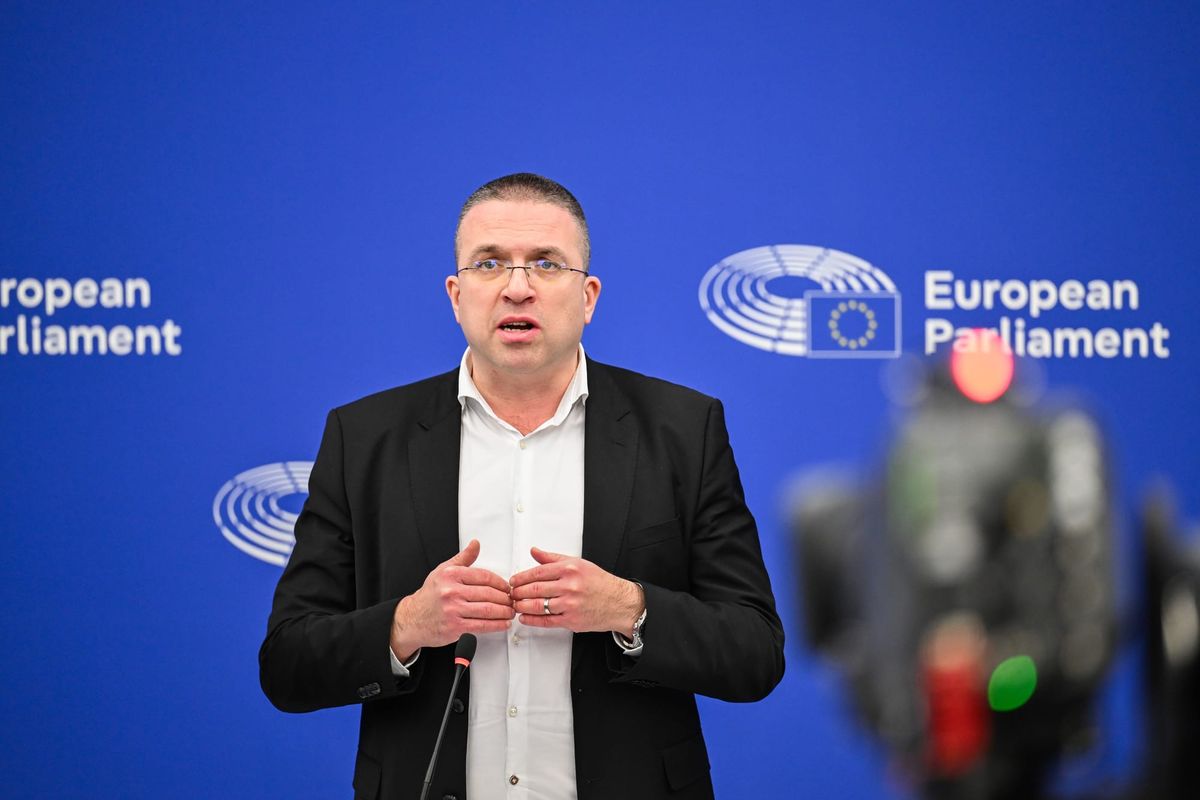
“Patients should not have to worry about whether critical medicines such as antibiotics will be available at their pharmacy or hospital. With today’s agreement, we are taking practical action to reduce our vulnerabilities, diversify supply chains and strengthen Europe’s capacity to produce critical medicines and their ingredients closer to home,” said Minister of Health of the Republic of Cyprus, Neophytos Charalambides.
We are told that a lot of work is still expected at the technical level to put the various agreements in the deal on paper. Senior ambassadors will have to give their approval and the SANT Committee could vote before summer once this technical work and “legal scrubbing” is done. It seems unlikely that it will be adopted in plenary before the Autumn.
This page was updated on 13 May 2026 with the negotiations concluded and small changes to text.