Smoke Free Partnership reveals sharp rise in tobacco industry lobbying
New research by the Smoke Free Partnership reveals a sharp rise in tobacco industry lobbying ahead of the revision of EU tobacco laws
Tobacco industry lobbying of the European Parliament has increased dramatically, with more than 430 meetings recorded since the 2024 elections, raising concerns about corporate influence over forthcoming EU tobacco legislation.
New research published by the Smoke Free Partnership (SFP) identified 431 meetings between tobacco industry representatives and MEPs between July 2024 and September 2026, compared with just over 100 during the previous five-year parliamentary term.
The findings, presented on Tuesday (27 October), show that 193 of the Parliament's 720 MEPs - approximately 27% - have held meetings with industry representatives.
Lobbying concentrated on right-wing groups
The lobbying was concentrated among right-wing political groups. The centre-right European People's Party (EPP) accounted for 144 meetings, followed by the European Conservatives and Reformists with 98 and the far-right Patriots for Europe with 77.
Together, these groups accounted for 74% of disclosed meetings, despite holding approximately 49% of parliamentary seats.
Philip Morris International and its subsidiaries featured in 184 meetings, or 43% of the total, followed by British American Tobacco with 60.
Transparency gaps raise concerns
Sara Petrelli of SFP, warned that the figures represented only disclosed contacts and did not capture informal or undeclared meetings.
"While meetings cannot prove direct influence on policy decisions, they reveal the industry's access to policymakers and its opportunities to engage in legislative debates," she said.
Petrelli also highlighted significant transparency gaps, with more than half of meeting disclosures failing to identify the precise subject discussed.
"The central transparency problem is that intermediaries do not always disclose the clients behind their work," she said.
The research identified 124 meetings involving intermediaries, including trade associations and consultancies. These numbers almost certainly significantly underestimate the direct and indirect lobbying of the tobacco industry in the Parliament.
Former MEPs, often fly under the radar and have access to the parliament and connections, though they are obliged to register any lobbying activities. The think tank - EPICENTER (European Policy Information Center), which describes itself as an 'advocate for free-market, classical liberal principles' - receives funding from the tobacco industry through at least one of its member organisations.
WHO Framework Convention on Tobacco
The findings raise questions about compliance with Article 5.3 of the World Health Organization's Framework Convention on Tobacco Control (WHO FCTC), an international treaty to which the EU and its member states are parties.
 Catherine Feore
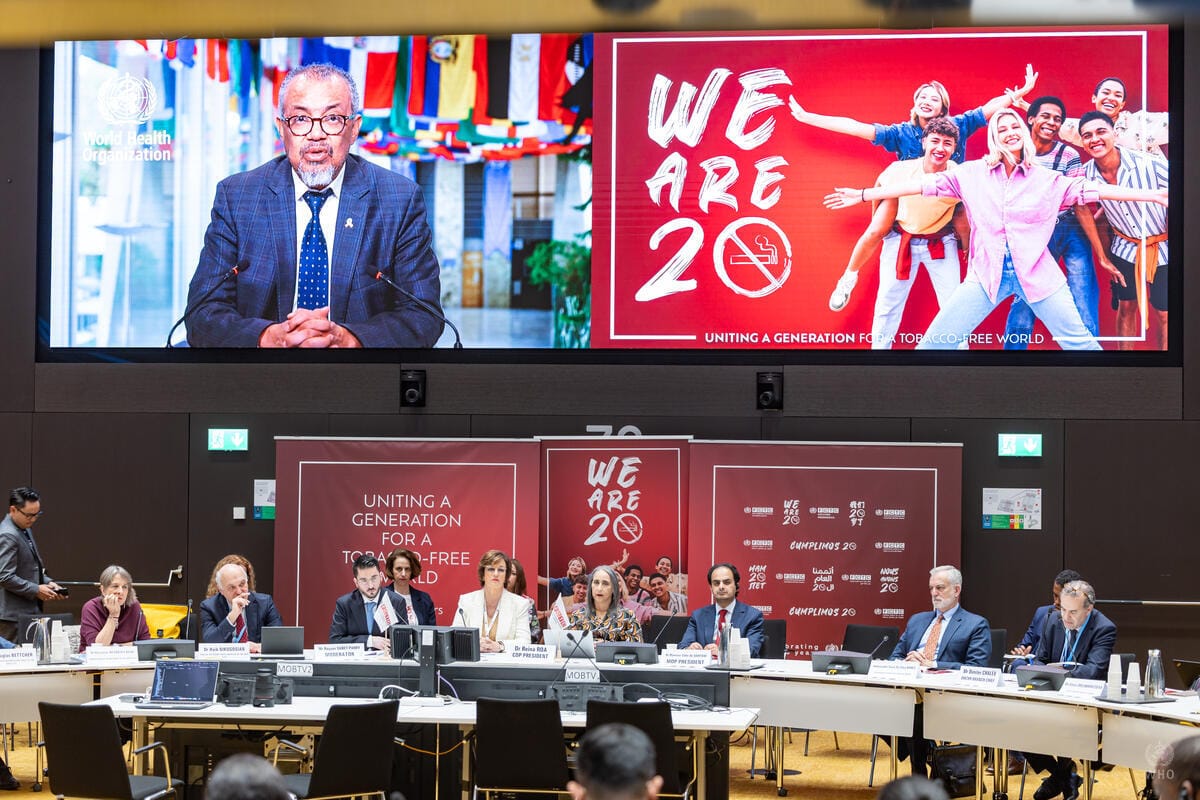
Article 5.3 requires governments to protect public health policies from the tobacco industry's commercial and other vested interests. Guidelines adopted by the treaty's parties recommend limiting interactions with the industry to those strictly necessary for regulation, ensuring transparency and avoiding conflicts of interest.
Andrew Black, head of the WHO FCTC Secretariat, stressed that the treaty's obligations extend across government, including legislative institutions such as the European Parliament.
"Transparency is essential, but it's only one element of protecting policy making from tobacco industry interference," he said.
"Tobacco companies and their lobbyists are relentless in their pursuit of a seat at the policy-making table, and this cannot be allowed to happen," Black warned.
 Catherine Feore
MEP warns of industry influence
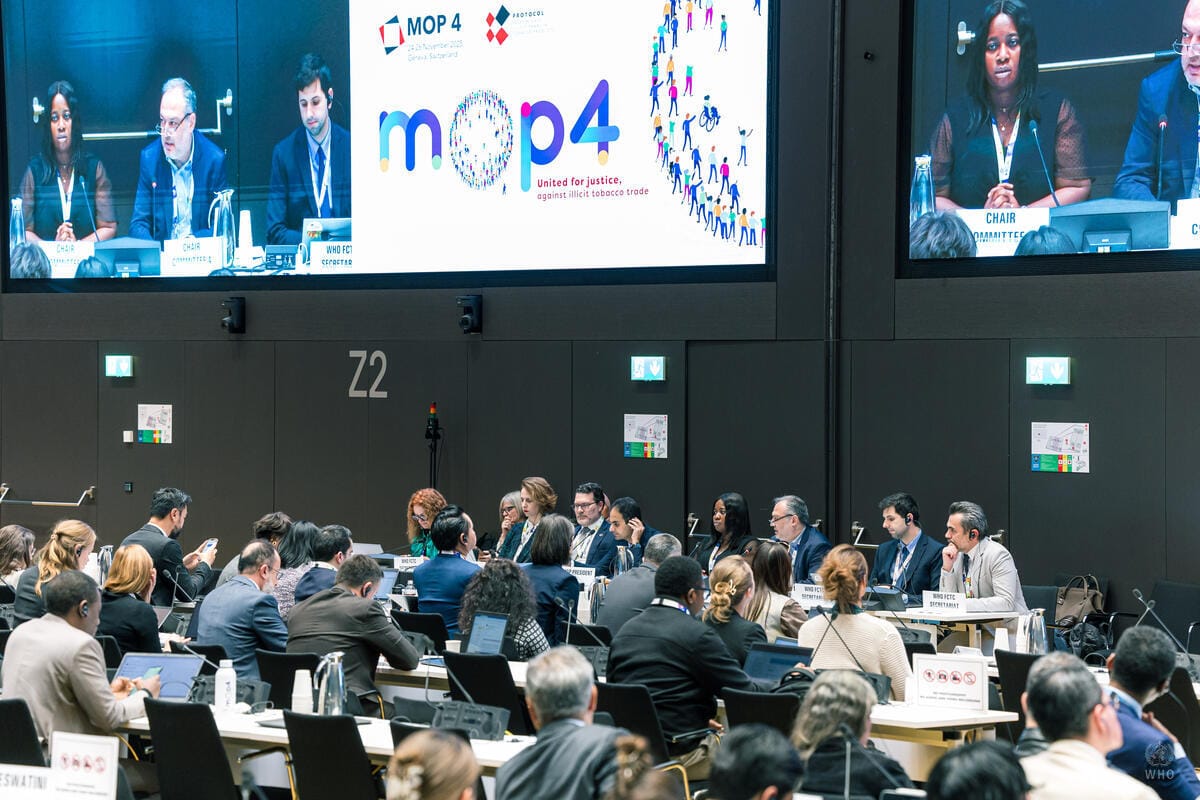
Spanish Socialist MEP Nicolás González Casares, a former emergency nurse, accused Parliament of failing to respect its international obligations.
"Article 5.3 of the WHO Framework Convention is not optional," González Casares said. "Today, that is not happening in the European Parliament."
Casares warned that industry lobbying was increasingly focused on the forthcoming revision of the Tobacco Products Directive, including rules governing vaping products, heated tobacco and nicotine pouches.
"Public health must come before private profit," González Casares said.
The findings come as EU finance ministers prepare to discuss tobacco taxation reforms on 9 November in efforts to reach an agreed 'general approach', while the European Commission works on revisions to the Tobacco Products and Tobacco Advertising Directives, due to be published before the end of the year.
Industry complains of exclusion
Meanwhile, tobacco industry trade association Tobacco Europe has criticised the Commission for refusing to organise a targeted technical consultation with manufacturers and importers on the forthcoming legislation. It has however submitted its response to the consultation.
"It's both regrettable and surprising to receive a letter from DG SANTE rebuffing the opportunity to have a targeted and transparent consultation with us," said Tobacco Europe secretary-general Nathalie Darge.
The Commission rejected the request, arguing that the evidence already collected was sufficient for its impact assessment.
Tobacco Europe maintains that manufacturers possess essential technical and market expertise and should be consulted directly.
One-third of consultation responses linked to campaigns
The European Commission's factual summary report of its public consultation on the Tobacco Products and Tobacco Advertising Directives found that more than a third of the 41,693 responses appeared to be part of co-ordinated campaigns involving identical submissions.
"This screening identified 32 campaigns, comprising 196 groups of ten or more fully identical responses and totalling 14,418 contributions (34.6% of 41,693)," the Commission reported.
The three largest campaigns originated predominantly from Poland, Spain and North Macedonia.
Of the 32 campaigns identified, 27 accounted for 14,233 submissions, or 34.1% of all consultation responses, and were classified by the Commission as opposing stricter tobacco regulation.
The findings indicate that opposition to tighter tobacco regulation featured prominently among the co-ordinated submissions, although the Commission's analysis does not establish who organised or financed the campaigns.
 Catherine Feore