
Inside EU Health: MFN; tobacco lobbying; social media; inequality; ageing; AI
EU must defend its medicines pricing model against US pressure, Belgian minister argues; Smoke Free Partnership reveals sharp rise in tobacco industry lobbying; EU defends 12-month delay to national social media bans; poverty takes a toll on health across the EU; WHO/Europe on AI and healthy ageing
EU must defend its medicines pricing model against US pressure, Belgian minister argues
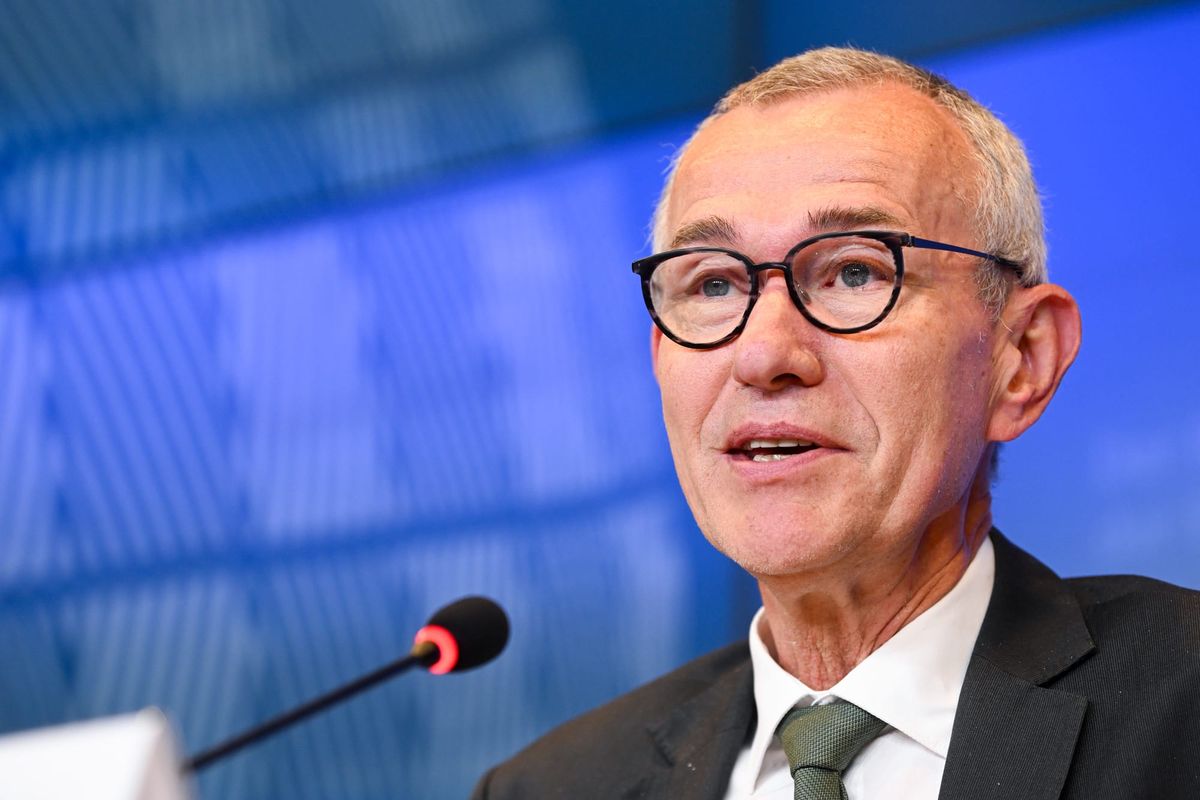
An Egmont Institute paper by Belgian Deputy Prime Minister Frank Vandenbroucke and Gloria Ghéquière calls for a coordinated European response to US pressure to increase medicine prices.
“The answer should therefore be a European framework rather than a series of national preferences,” they argue, emphasising the need to protect affordable access to medicines while strengthening European competitiveness.
The authors propose three EU-level priorities: defending national healthcare systems through possible use of the Anti-Coercion Instrument; closing Europe’s pharmaceutical innovation gap through stronger investment and faster clinical trials; and establishing common European incentives for pharmaceutical research and production.
 Catherine Feore
Smoke Free Partnership reveals sharp rise in tobacco industry lobbying
Tobacco industry lobbying of the European Parliament has increased dramatically, with more than 430 meetings recorded since the 2024 elections, raising concerns about corporate influence over forthcoming EU tobacco legislation.
New research published by the Smoke Free Partnership (SFP) identified 431 meetings between tobacco industry representatives and MEPs between July 2024 and September 2026, compared with just over 100 during the previous five-year parliamentary term.
The findings, presented on Tuesday (27 October), show that 193 of the Parliament's 720 MEPs - approximately 27% - have held meetings with industry representatives.
The lobbying was concentrated among right-wing political groups. The center-right European People's Party (EPP) accounted for 144 meetings, followed by the European Conservatives and Reformists with 98 and the far-right Patriots for Europe with 77.
 Catherine Feore

EU defends 12-month delay to national social media bans amid Austrian backlash
The European Commission defended its decision to delay national legislation restricting children's access to social media for 12 months, insisting that a harmonized EU-wide approach is essential to protect minors and prevent fragmentation of the EU’s digital single market.
The decision sparked criticism from Austria, which was instructed to postpone its proposed ban on social media access for children under 14. Vienna had urged Brussels to deliver a European solution by March 2027, warning that it could revive national measures if negotiations fail.
Commission spokesperson Thomas Regnier told reporters:“We now need to focus on the negotiations of the Kids Act; this is the top priority, not to fragment the market and to protect all kids."
 Catherine Feore

Poverty takes a toll on health across the EU
People at risk of poverty across the European Union face significantly greater health difficulties in everyday life, new Eurostat figures reveal, exposing persistent health inequalities between income groups.
“Poor health and poverty are interlinked. We cannot hope to end one without addressing the other. Health is rooted in the security of a warm home, financial stability, and a fair start in life,” said EuroHealthNet director Caroline Costongs.
 Catherine Feore

WHO/Europe countries adopt new healthy ageing strategy
The 53 Member States of the WHO European Region have unanimously adopted ‘Ageing is Living’, a new strategy to help people live longer, healthier lives.
By 2050, an estimated 27% of the Region’s population will be over 65. WHO is concerned that longer lives do not always mean healthier ones, particularly for women, who spend a smaller proportion of their lives in good health than men.
“Living longer is one of our Region’s great public health achievements,” said Dr Natasha Azzopardi-Muscat, Director for Health Systems at WHO/Europe. “The question now is whether those extra years are lived in good health, and sadly too many aren’t, especially for women.”
The strategy promotes lifelong prevention, care closer to home, support for families and carers, and action against ageism. Countries will use WHO/Europe’s Healthy Ageing Intelligence dashboard to guide implementation and monitor progress.
Roadmap for safer AI in health care
WHO/Europe have unanimously adopted their first Roadmap for Action on Artificial Intelligence in Health, aiming to ensure AI is used safely, effectively and fairly.
Nearly two-thirds of WHO/Europe countries already use AI for diagnosis, yet only one in five teaches health students about AI. Almost 40% lack ethical guidance, and just 8% have a dedicated health AI strategy.
“AI is already in our clinics and hospitals, often ahead of the rules that should govern it,” said Dr Natasha Azzopardi-Muscat, Director for Health Systems at WHO/Europe.
The roadmap focuses on stronger governance, workforce training, accountability and patient safety, ensuring AI technologies benefit both patients and health professionals.
Implementation begins immediately, with a midterm progress report planned for 2029.