
Record-high West Nile virus infections reported amid spread north
West Nile virus has reached 19 European countries during a record-breaking season, with climate change and longer, hotter summers increasing the risk of further spread
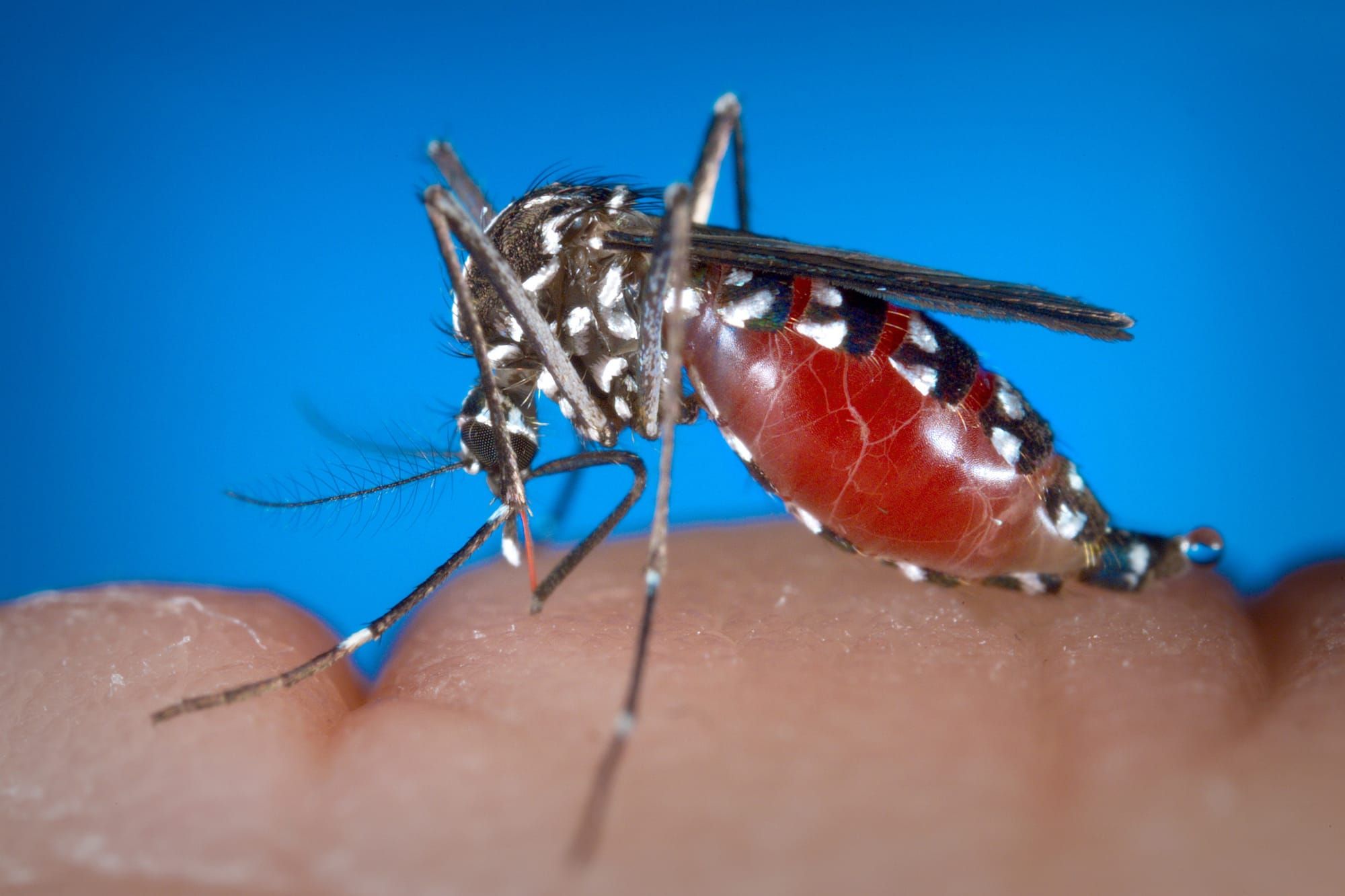
The European Union is experiencing its worst West Nile virus (WNV) season on record, with 1,715 locally acquired infections and 130 deaths reported as of 7 October, according to the European Centre for Disease Prevention and Control (ECDC).
Italy remains the hardest-hit country (748 cases), while Greece (455) and France (159) have recorded their highest-ever infection totals.
Despite the record numbers, ECDC reports no increase in disease severity, with hospitalisation and mortality rates remaining below those observed over the previous decade.
The virus has now been detected in 19 European countries, including further north. The Netherlands has reported 59 human cases, while Belgium has recorded its first 15 locally acquired infections.
Climate change is increasing the risk of transmission, as hotter, longer summers favour mosquito activity and allow the virus to spread into previously unaffected regions.
“The occurrence of West Nile virus varies considerably from year to year and is difficult to predict,” said Ole Heuer, ECDC Head of Unit, stressing the importance of early detection and mosquito control.
ECDC is calling for stronger surveillance and closer cooperation between public health, veterinary and environmental authorities.
People in affected areas are advised to use mosquito repellent, wear protective clothing and install window screens. Older adults and people with weakened immune systems face the greatest risk of severe illness.
Although cooler autumn weather should reduce transmission, ECDC warns that further infections remain possible and urges countries to maintain surveillance, mosquito control and blood donation safety measures.