
EMA recommends six medicines, including one fast-tracked through phased review
EMA backs six new medicines as phased review cuts pancreatic cancer drug assessment to under 150 days
The European Medicines Agency has recommended six new medicines for approval at its October meeting, including a pancreatic cancer treatment assessed through an accelerated review process that could reshape future EU drug evaluations.
The European Medicines Agency’s (EMA) human medicines committee (CHMP) also gave a favourable assessment of five extensions of existing treatments.
Rasonque (daraxonrasib), developed by Revolution Medicines, received a positive opinion for adults with metastatic pancreatic cancer who have received at least one previous treatment. Patients with a mutation responsive to Rasonque lived for a median of 12.4 months, compared with 6.7 months for those treated with chemotherapy. In addition, the median time patients lived without their disease worsening was 7.2 months with Rasonque, compared with 3.6 months with chemotherapy
The oral therapy was assessed under EMA’s Cancer Medicines Pathfinder project, which prioritises promising treatments addressing unmet medical needs. Crucially, its phased review allowed regulators to evaluate clinical, non-clinical and quality data as they became available, rather than waiting for a complete application.
The process shortened the assessment to less than 150 days, compared with up to 210 active days under the standard procedure, which typically takes around a year overall when company response periods are included.
EMA said lessons from the review would inform wider implementation of phased assessments under the EU’s new pharmaceutical legislation, potentially accelerating patient access while maintaining regulatory standards.
Mark Goldsmith, chief executive of Revolution Medicines, said the expedited review demonstrated how “innovative regulatory pathways may help bring promising medicines to patients sooner.”
Another notable recommendation was Foundayo (orforglipron), Eli Lilly’s once-daily oral GLP-1 receptor agonist for weight management and type 2 diabetes, offering an alternative to injectable treatments.
The committee also backed Yuviwel (navepegritide), Ascendis Pharma’s treatment for children with achondroplasia.
Ascendis chief executive Jan Mikkelsen welcomed the positive opinion, citing the medicine’s “unique profile [...and...] a highly favourable response from the achondroplasia community to its differentiated profile. TransCon CNP remains a foundational product in our growth disorder portfolio, positioned to support our Vision 2030 objectives.”
Other medicines recommended included biosimilars Fovlussea and Neuzafy, and brain cancer treatment Kizfizo.
Five existing medicines received recommendations for expanded indications, including Tryngolza for the treatment of severe hypertriglyceridemia (sHTG): "The positive opinion reflects the strength of the clinical evidence and brings us one step closer to offering Tryngolza as a new treatment option to help reduce the risk of acute pancreatitis in patients with sHTG in the EU,” said Lydia Abad-Franch, MD, Head of R&D and Medical Affairs and Chief Medical Officer at Sobi.
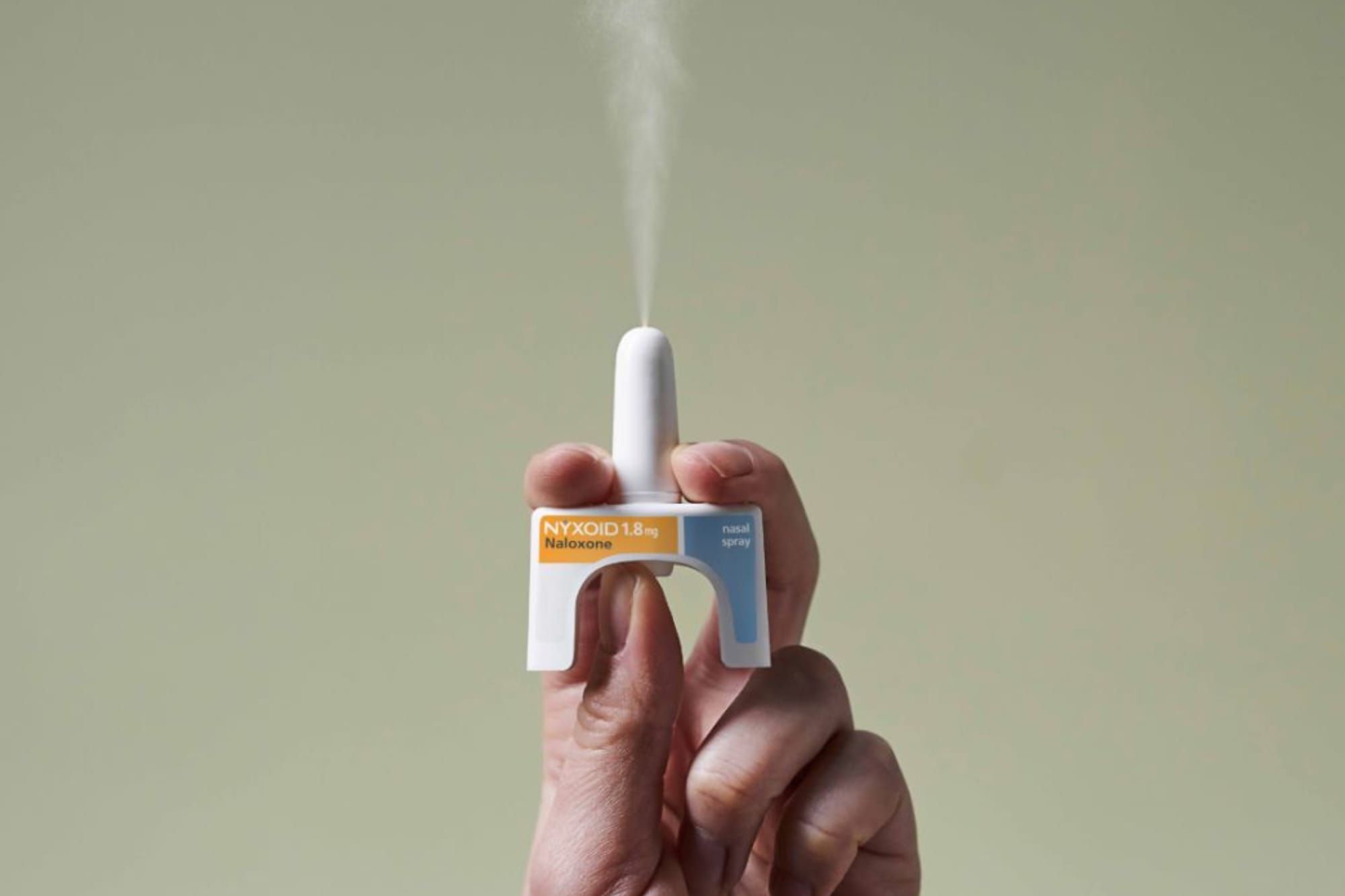
The CHMP also recommended switching Nyxoid, a naloxone nasal spray for emergency opioid overdose treatment, to non-prescription status.
AESGP, the association representing Europe’s self-care industry, welcomed the recommendation on LinkedIn, highlighting that the ready-to-use spray can be administered without medical training, buying vital time until emergency services arrive. Subject to European Commission approval, Nyxoid could become the seventh medicine switched to non-prescription status through the EU centralised procedure since 2004.
The positive recommendations now await European Commission decisions.