Inside EU Health: EMA; competitiveness; response to MFN; West Nile Virus; EU/Mexico; Sanofi; EU4Health
EMA recommendations; De Wever urges EU integration to better compete; US most-favored nation; Record-high West Nile virus infections reported amid spread north; EU/Mexico; Sanofi; EU4Health 2026 budget approved
EMA recommends six medicines, including one fast-tracked through phased review
The European Medicines Agency’s (EMA) human medicines committee (CHMP) recommended six new medicines for approval at its October meeting, alongside five extensions of existing treatments, with an expedited review of a pancreatic cancer drug emerging as a key regulatory milestone.
Rasonque was assessed under EMA’s Cancer Medicines Pathfinder project, which prioritises promising treatments addressing unmet medical needs. A phased review shortened the assessment to less than 150 days, compared with up to 210 active days under the standard procedure, which typically takes around a year overall when company response periods are included.
EMA said lessons from the review would inform wider implementation of phased assessments under the EU’s new pharmaceutical legislation, potentially accelerating patient access while maintaining regulatory standards.
 Catherine Feore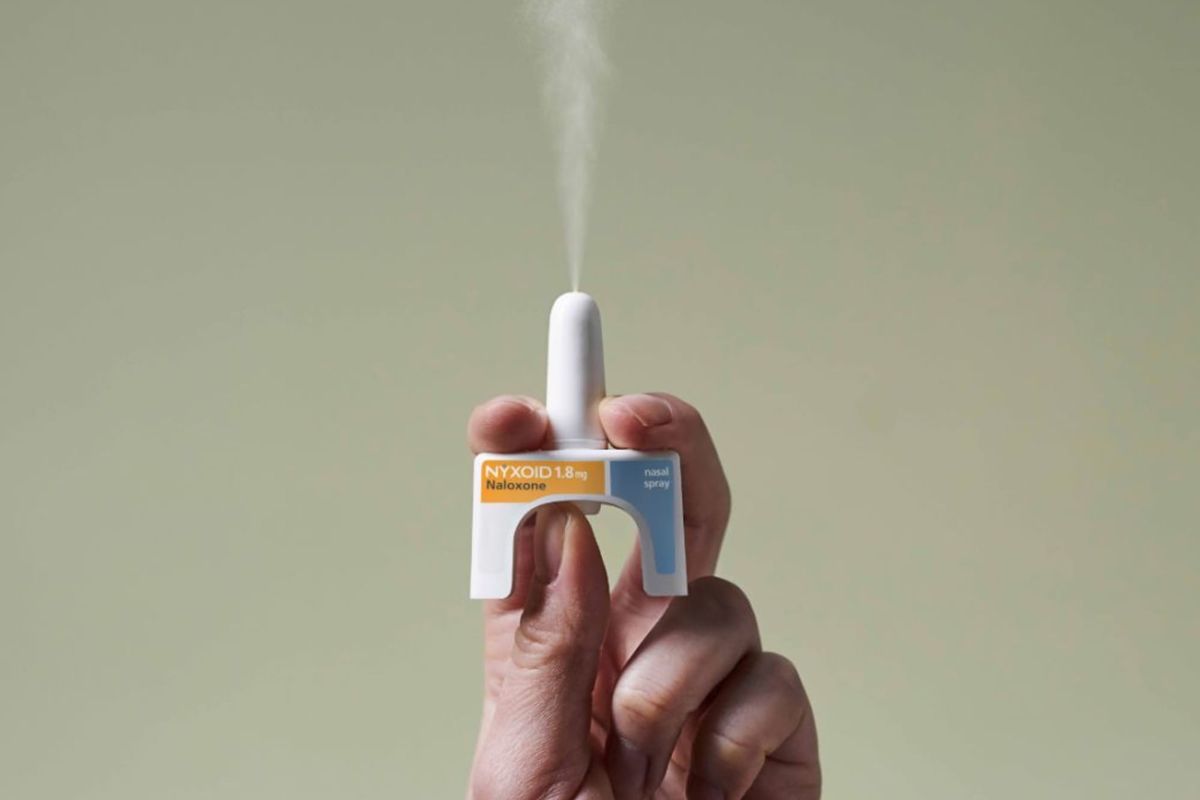
De Wever urges EU integration to boost pharma competitiveness
Belgian Prime Minister Bart De Wever has called for stronger European protection of the pharmaceutical industry against pressure from the United States and unfair competition from China, warning that even highly competitive companies are increasingly at risk.
De Wever pointed to the restructuring announced by pharmaceutical giant GSK, which could affect up to 1,217 jobs across three Belgian sites.
"The pharmaceutical industry is certainly a competitive sector in Belgium, so the issue isn't a lack of competitiveness," he said.
De Wever blamed US pressure on pharmaceutical companies to invest domestically, alongside restrictions on vaccine imports, for creating difficulties for European operations.
 Catherine Feore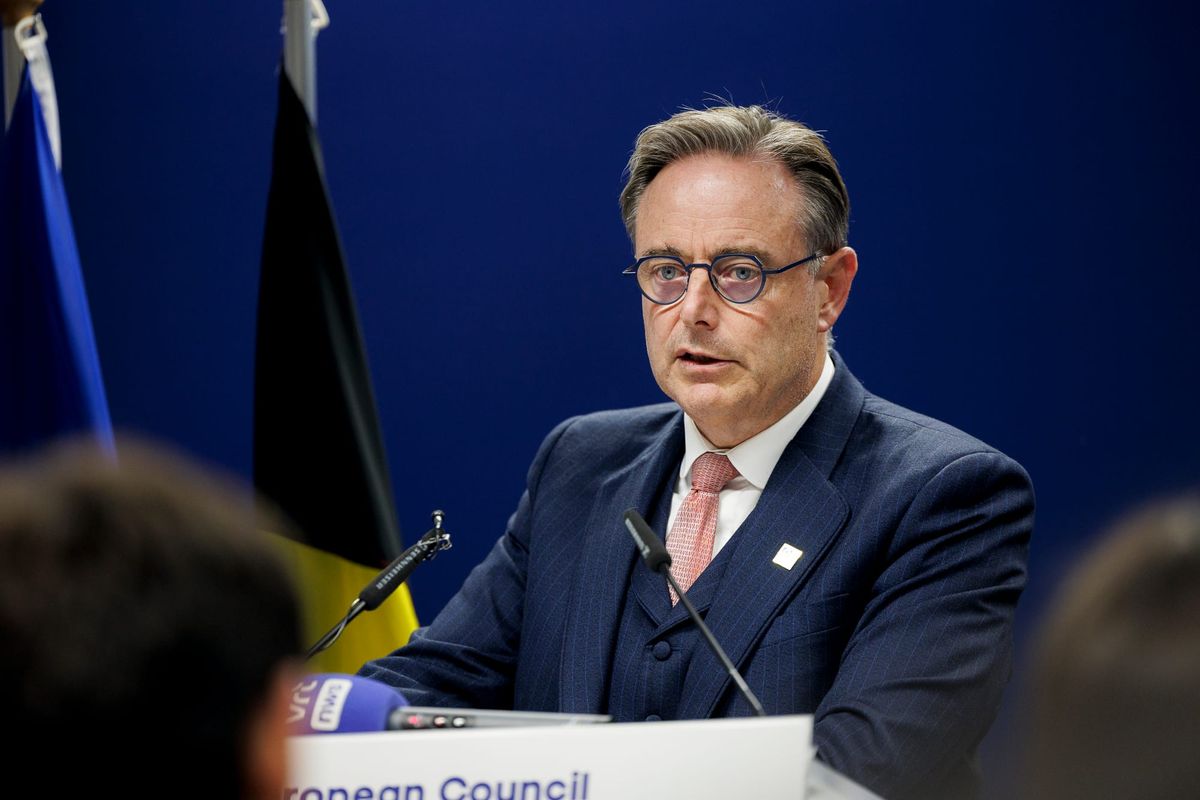
European Parliament to press Commission and Council over US drug pricing policies
The European Parliament’s Public Health (SANT) Committee adopted two oral questions on Thursday (15 October), calling on both the European Commission and the Council of the European Union to address the impact of US pharmaceutical pricing policies on access to medicines in Europe.
Led by Danish Renew Europe MEP Stine Bosse, warned that the US administration’s most-favored-nation pricing policy and Section 301 investigation into Germany could undermine Europe’s public health model by discouraging pharmaceutical companies from launching medicines in European markets.
Bosse urged closer cooperation between member states on joint clinical assessments, pricing and reimbursement.
 Catherine Feore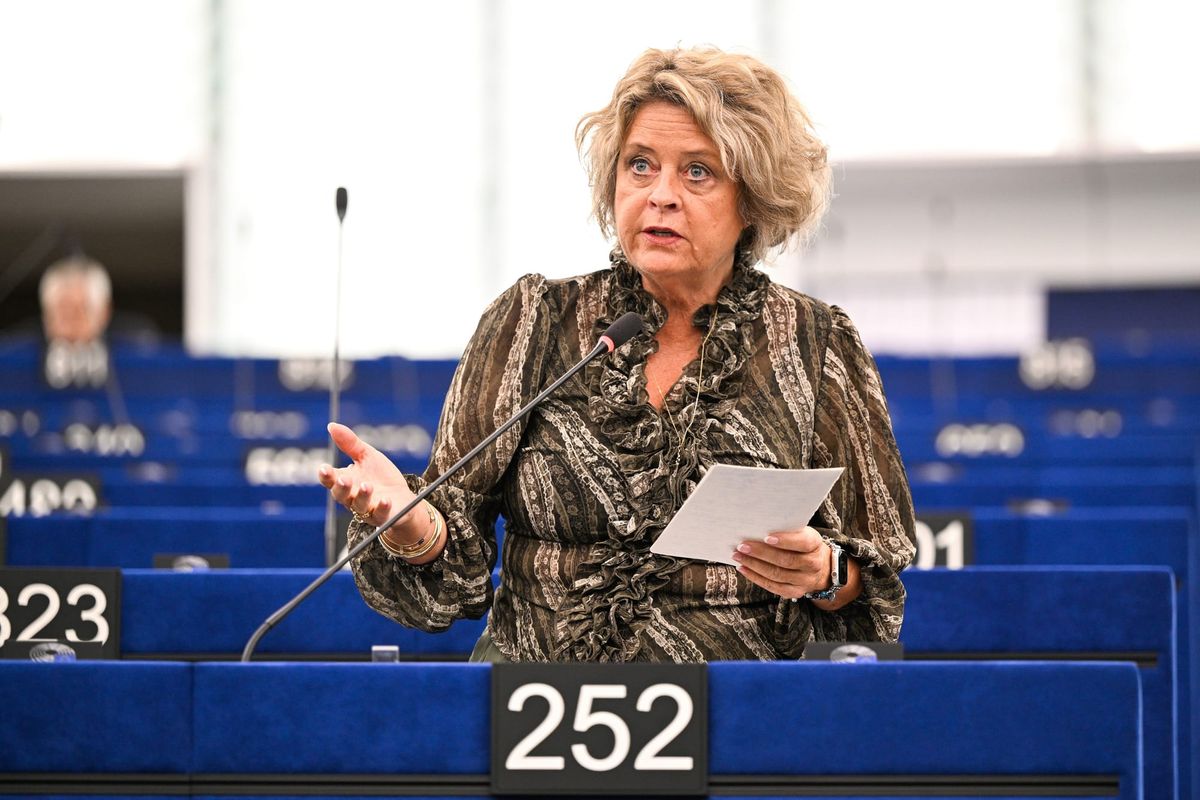
Record-high West Nile virus infections reported amid spread north
The European Union is experiencing its worst West Nile virus (WNV) season on record, with 1,715 locally acquired infections and 130 deaths reported as of 7 October, according to the European Centre for Disease Prevention and Control (ECDC).
Italy remains the hardest-hit country (748 cases), while Greece (455) and France (159) have recorded their highest-ever infection totals.
 Catherine Feore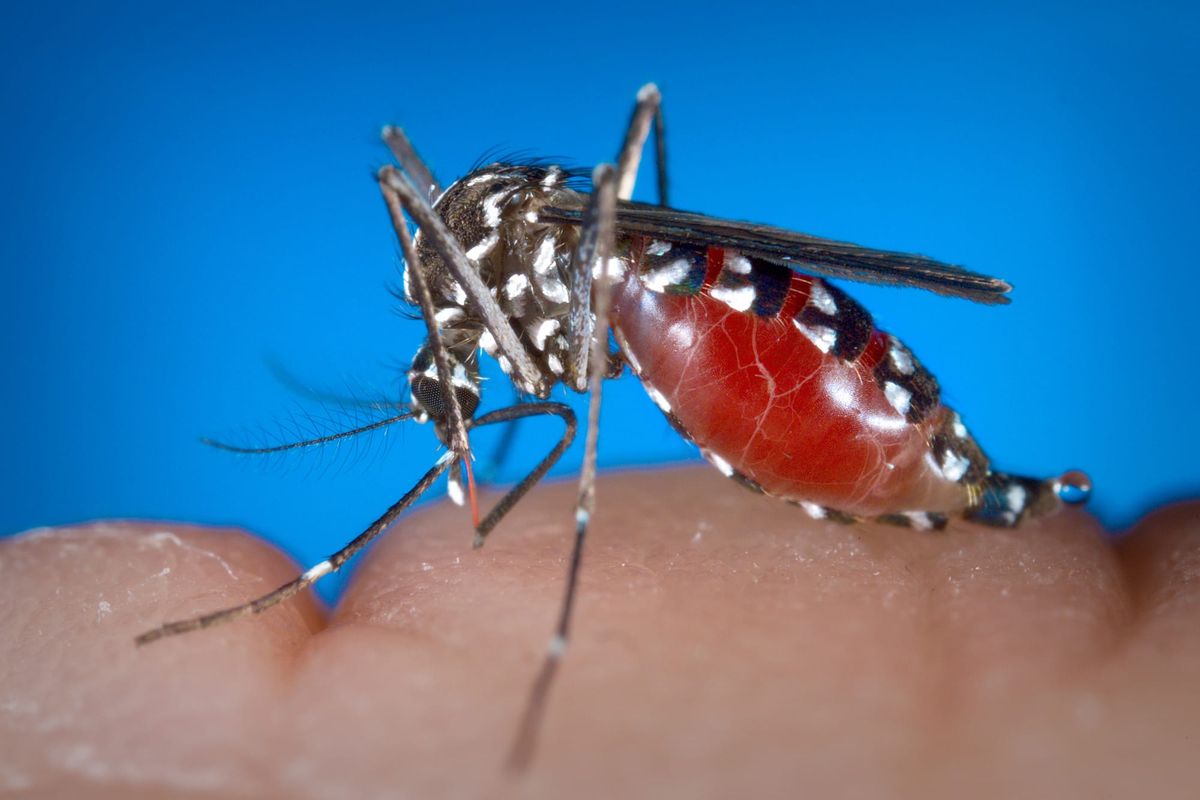
EU and Mexico deepen health cooperation at first high-level dialogue
The European Union and Mexico held their first ‘High-Level Dialogue on Health', marking a new chapter in bilateral cooperation on public health, medical innovation and pharmaceutical supply chains.
Building on Mexico’s Plan México and the EU’s Global Gateway Investment Agenda, the resulting statement said that the possibility of establishing a strategic partnership under the framework envisaged by the EU’s proposed Critical Medicines Act was discussed, aimed at strengthening supply chain resilience and reducing vulnerabilities in access to essential medicines.
 Catherine Feore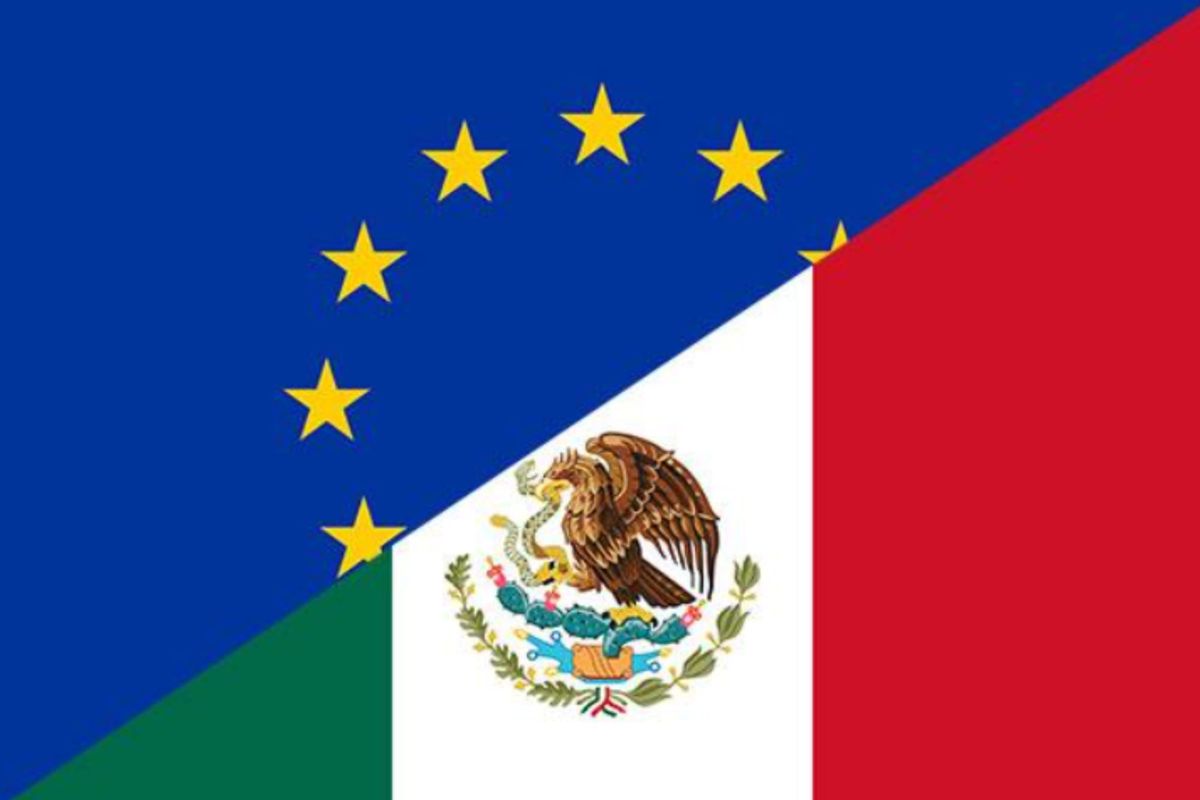
EU accepts Sanofi commitments in flu vaccine disparagement case
The European Commission has accepted legally binding commitments from French pharmaceutical giant Sanofi to address concerns that it disparaged a rival influenza vaccine in France and Germany, potentially facing hefty fines if it fails to comply.
The decision follows an antitrust investigation launched in June into allegations that Sanofi spread misleading information about Fluad, a vaccine manufactured by competitor Seqirus, to promote its own product, Efluelda.
 Catherine Feore
EU4Health 2026 approved: NGOs welcome return of operating grants despite 80% cut
EU member states have approved the 2026 EU4Health Work Programme, paving the way for more than €680 million in health spending and reinstating €1.8 million in operating grants for health NGOs, following months of negotiations and pressure from civil society organisations.
However, both the European Patients’ Forum (EPF) and the European Public Health Alliance (EPHA) warned that the reinstated €1.8 million represents an 80% reduction compared with the €9 million allocated in 2024.
“We welcome this step forward. But the €1.8 million allocated remains far below the €9 million provided in 2024, and is not enough to address the serious financial pressures facing patient organisations,” EPF said.
 Catherine Feore