NGOs challenge UK-US medicines pricing deal
NGOs accuse the British government of trading NHS pricing safeguards for export protection, as Washington intensifies efforts to push higher medicine costs across Europe
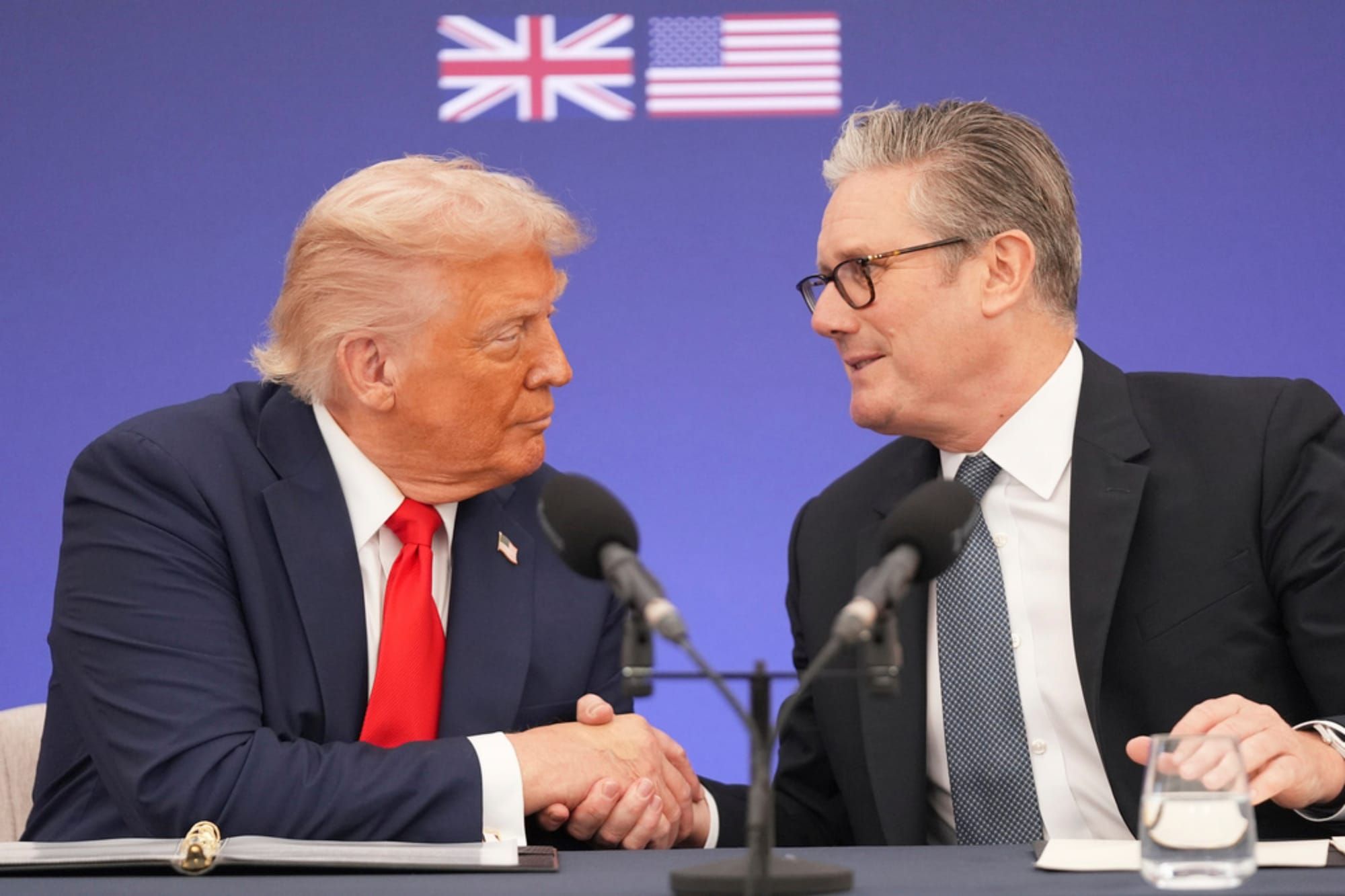
Two UK NGOs, Just Treatment and Global Justice Now, are calling for a judicial review against the UK government over legislation implementing the UK-US pharmaceuticals pricing agreement struck to avoid the threat of ‘Section 301’ unfair trade tariffs.
At the centre of the dispute is a deal agreed on in December 2025 where the UK committed to raising the threshold used to assess whether medicines are considered cost-effective for NHS use by 25% and agreeing to increase NHS spending on medicines over the next decade. In return, the United States agreed to keep tariffs on UK pharmaceutical exports at 0% for at least the next three years.
The agreement was reached after Trump repeatedly threatened tariffs of up to 100% on imported branded medicines, despite already reaching a trade deal with the UK government on 8 May (2025). That agreement was contingent on the findings of a US Section 232 investigation, which allows the US to impose tariff based on national security concerns. These tariffs have been successfully challenged in US courts.
Pharmaceuticals are one of the UK’s most valuable exports to the United States, with exports worth more than £11 billion annually. The government presented the agreement as a success compared to the European Union, which accepted a baseline 15% tariff arrangement.
Backbench MPs complain that the government did not publish a full impact assessment for the agreement. Estimates of how much the changes could cost the NHS vary widely, with some suggesting up to £3 billion in additional medicines spending by 2029, while ministers have argued the figure is likely to be closer to £1 billion annually by the end of the decade.
The NHS already benefits from some of the lowest medicines prices in Europe through strict cost-effectiveness assessments carried out by the National Institute for Health and Care Excellence (NICE), as well as pricing controls negotiated with pharmaceutical companies. The NGOs argue the new arrangements weaken those protections, shifting the balance of power towards manufacturers and take away NICE’s independence.
Executive Director of Just Treatment Diarmaid McDonald said: “Under pressure from Donald Trump and Big Pharma, the government have caved in and they have agreed to weaken the price controls that stop companies ripping off our NHS, but we believe they've done this unlawfully, forcing these changes through parliament and ending the independence of NICE in a way that will undermine how it functions.”
The campaign groups have launched a crowdfunding appeal to finance the legal challenge. Their initial target is £10,000 to begin proceedings, with further fundraising planned if the court grants permission for a full hearing.
In campaign materials, the organisations describe the legislation as an “unlawful power grab over NHS drug price controls.” They argue that the changes will “drive up the price the NHS has to pay for medicines” while weakening institutional safeguards designed to protect public finances and patient access.
Preserving tariff-free access to the US market for one of Britain’s most important export sectors is seen by Starmer’s government as worth the cost of additional NHS drug spending, but the legal challenge demonstrates how difficult such trade-offs can be.
 Catherine Feore
STAT news reported on 15 May that the US Trade Representative Jamieson Greer met with the US German Ambassador Jens Hanefeld, as part of a wider push from the Trump administration to get other countries to pay more for medicines. The US is a vital market for German pharmaceuticals.
Speaking at an event organised by ESIP, Europe’s social insurers, Deputy Chairwoman of GKV-Spitzenverband (Germany's insurer) Stefanie Stoff-Ahnis said that expenditure on medicines in Germany had more than doubled between 2012 and 2025, rising from €27 billion to €58.5 billion. For new active substances the amount has almost tripled in the same period. Recent reforms mean that Germany will tighten its medicines budget, but Atoff-Ahnis argues that it remains one of the most attractive countries for investment and for launching new drugs.
 Catherine Feore
Yesterday (18 May) the European Parliament held a debate on “securing medicine access in a shifting geopolitical era”, MEP Stine Bosse (Renew, Denmark) said the US ‘most-favored-nation policy’, is “a policy designed in the White House to gut the social systems of Europe. 35% fewer medicines are launched in Europe, and this is just the beginning. I will say it loud and clear. The price of our citizens' health cannot be decided in the White House.”
In Brussels, the European Parliament has attempted to place conditions and scrutiny requirements on the EU’s own trade agreements with Washington, reflecting growing concern among legislators about executive concessions made under the threat of tariffs from the Trump administration.
A successful court challenge may not kill the UK agreement outright, but may disrupt, delay and politically constrain it. In doing so, it illustrates an increasingly visible trend on both sides of the Channel: legislatures, courts and civil society are acting as a brake on governments bending to Donald Trump’s demands.
Catherine Feore