Inside EU Health: Ebola update; nicotine pouches; biosecurity; WHA; hantavirus
Ebola declared emergency of international concern; WHO warns nicotine pouches risk hooking a new generation; EuropaBio ups efforts on biosecurity; World Health Assembly kicks off; EU activates crisis response mechanism to monitor hantavirus outbreak
Ebola declared emergency of international concern
In the early hours of Sunday, 2:05 am to be precise, WHO declared that the Ebola outbreak in the DRC and Uganda constitutes a public health emergency of international concern (PHEIC).
On Friday afternoon, it was announced that the Ebola virus was caused by the Bundibugyo Ebola virus for which there is currently no vaccine and where monoclonal therapies developed for the Zaire variant may not work.
High positivity rates and confirmation of cases in the capital cities of both countries suggest that the outbreak could be much larger than the cases already identified
 Catherine Feore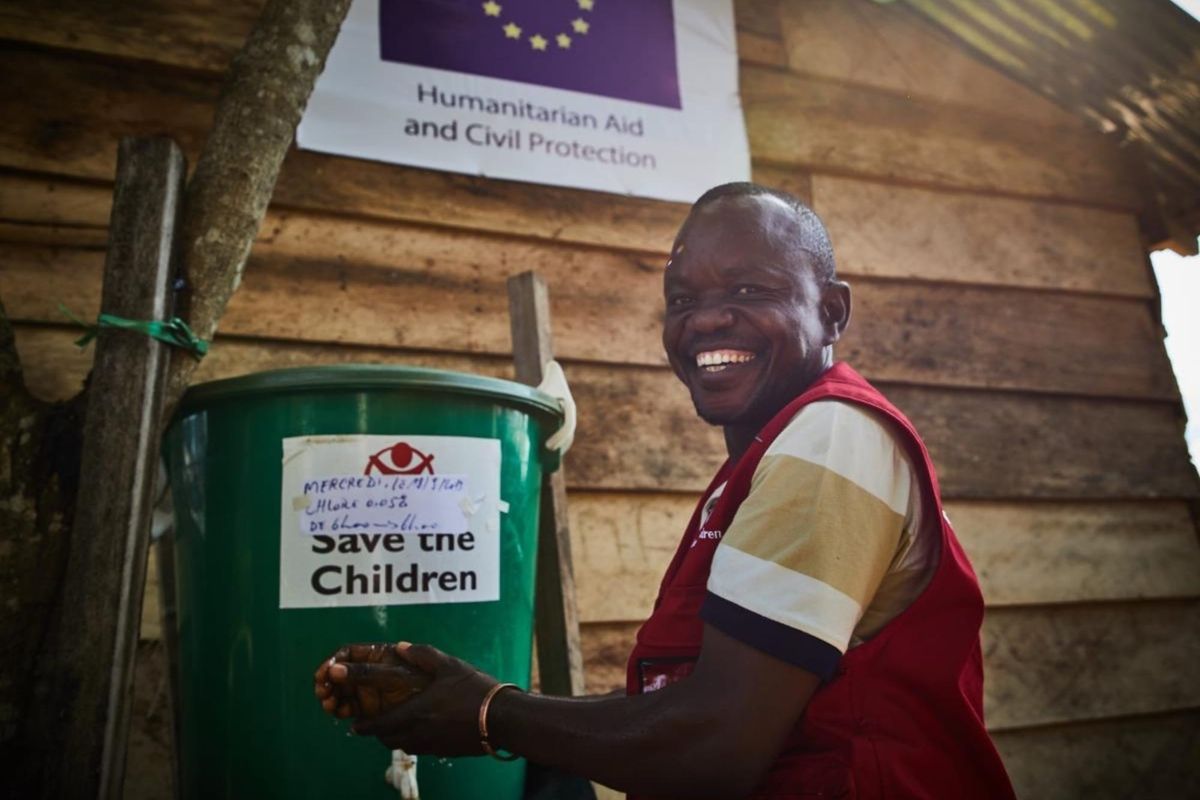
WHO warns nicotine pouches risk hooking a new generation
The World Health Organization warns that use of nicotine pouches is expanding rapidly worldwide, with weak regulation leaving young people exposed to aggressive marketing and addiction.
The tobacco industry which owns many of the nicotine pouch brands present them as a healthy alternative to smoking, but the marketing analysed in the report shows that it isn’t targeted at helping an older generation quit, but to create a new generation of addicts.
 Catherine Feore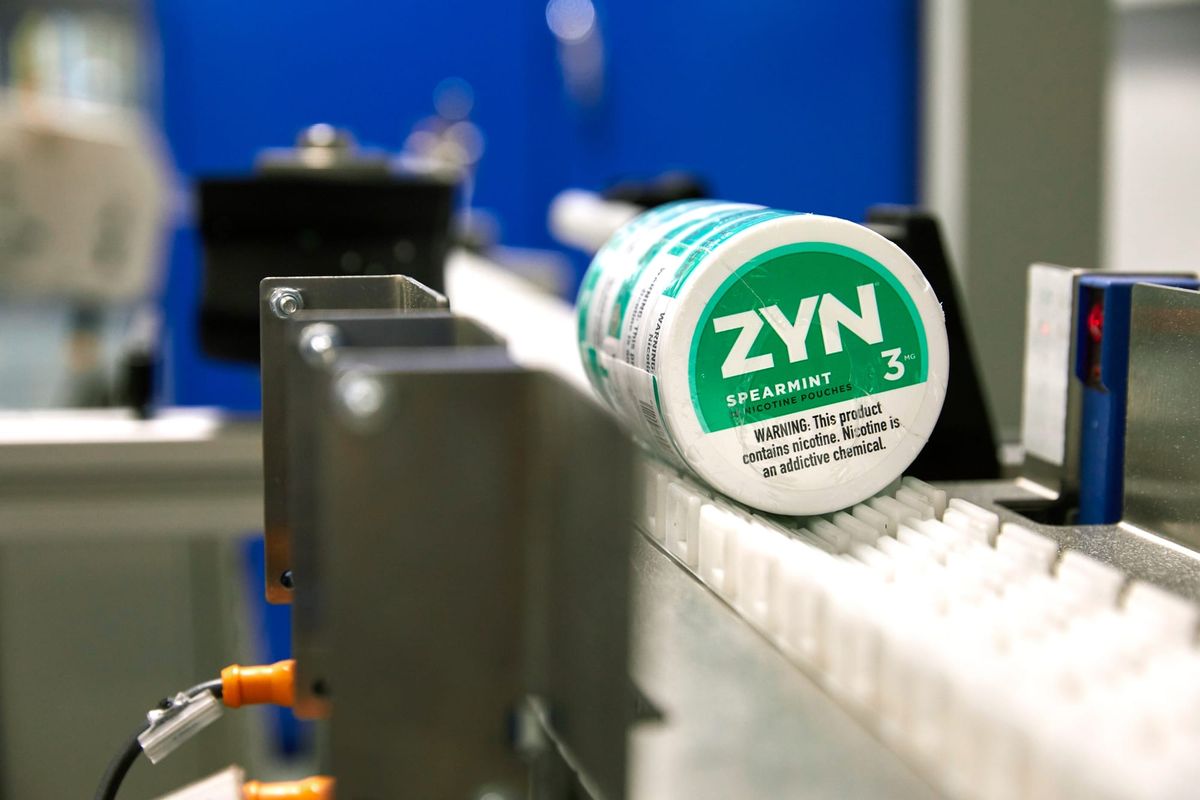
EuropaBio ups efforts on biosecurity
EuropaBio has announced the creation of a ‘Biodefence & Biosecurity Task Force’.
“The EU must create coherent and proportionate rules that advantage European innovators and global partners plus enabling a safer world,” said Director‑General of EuropaBio, Claire Skentelbery.
The EU’s proposed Biotech Act I, ‘Pillar 6’ on misuse of biotechnology and the strengthening of biodefence capabilities has received less attention than other aspects of the Act. Among the proposals is a new advisory group on biosecurity, support for strategic projects as part of a “EU Biotech Radar” and projects for biodefence capability.
EuropaBio says that despite growing policy attention, there remains a significant gap in dedicated EU‑level forums for structured industry engagement on biosecurity and biodefence.
The Task Force will be chaired by Dr Riccardo Gent, Executive Director of Germany’s biotech industry association (DIB).
 Catherine Feore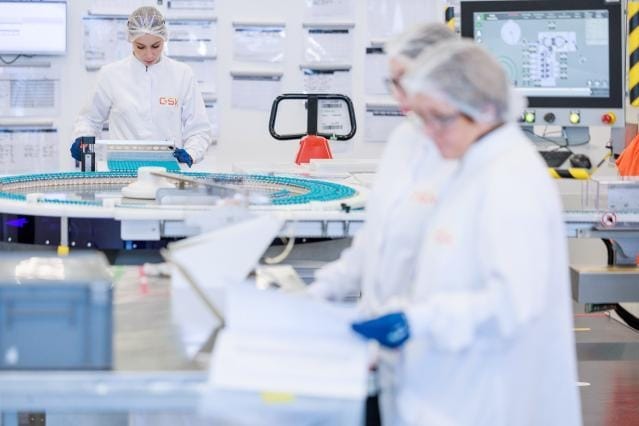
World Health Assembly kicks off
It’s the first day of the five-day-long World Health Assembly, the annual meeting of WHO members. WHO has been in the news over the last few weeks due to the hantavirus outbreak and the more recent PHEIC announcement. Today is mostly ceremonial; there will be “high-level welcomes” and the work will start, but almost as important as what’s not on the agenda: the final piece in the Pandemic Agreement puzzle.
 Catherine Feore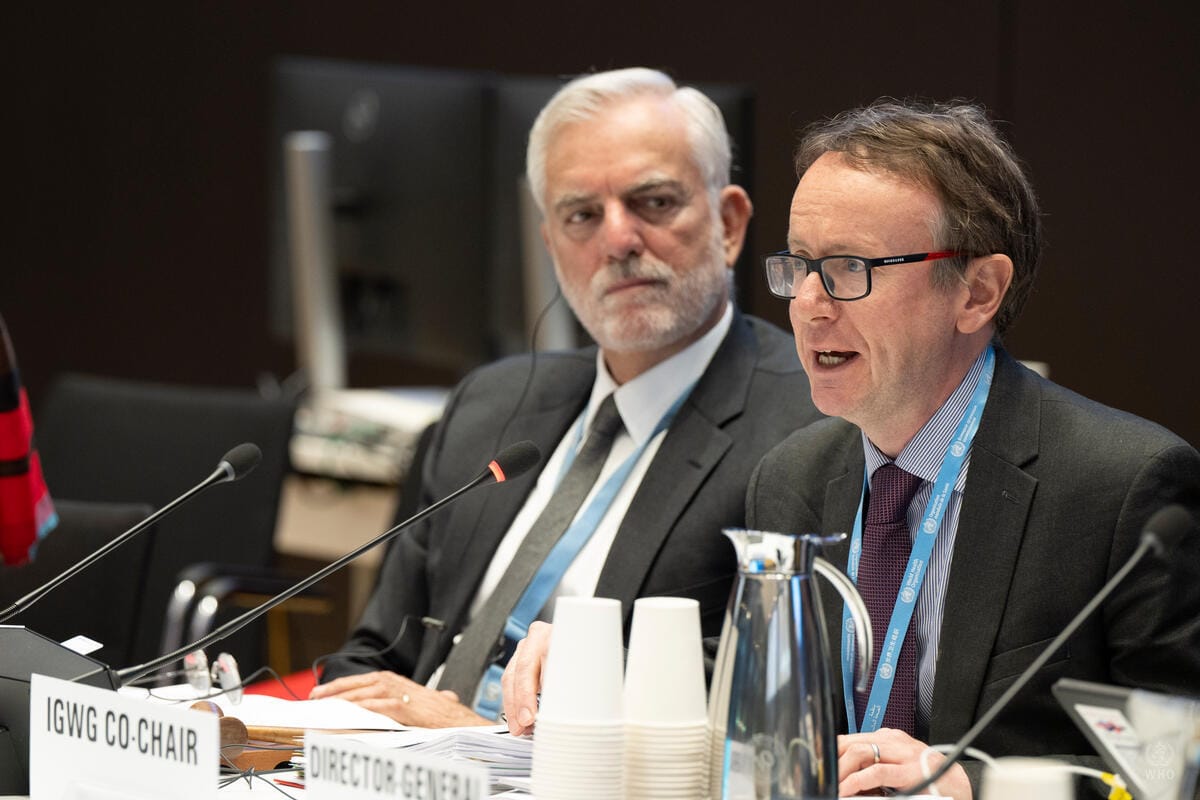
EU activates crisis response mechanism to monitor hantavirus outbreak
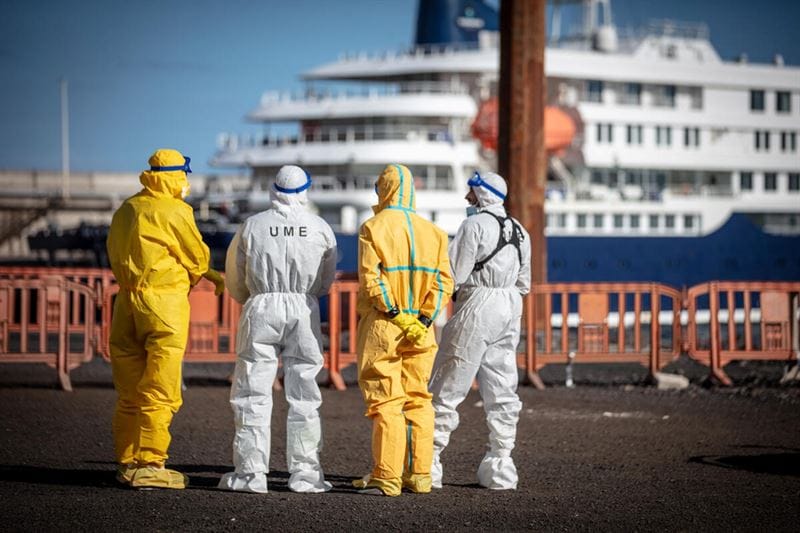
The Cyprus Presidency has activated the EU’s Integrated Political Crisis Response (IPCR) arrangements to intensify monitoring of the hantavirus outbreak that has prompted heightened vigilance across member states.
“As a matter of precaution, we have decided to make use of the integrated political crisis response meetings (IPCR), in order to monitor the situation and facilitate information sharing among member states,” a Cypriot official said.
Information-sharing and coordination are already underway within EU health and civil protection networks. The European Centre for Disease Prevention and Control (ECDC) has been closely involved and cooperating with other member states since it was notified on 2 May; it has been central to the response.
MEPS are tabled to debate the hantavirus outbreak and EU preparedness for health emergencies this week at the Strasbourg plenary.
 Catherine Feore