
DRC faces fresh Ebola outbreak in remote region
Health authorities in the Democratic Republic of the Congo are racing to contain a new Ebola outbreak
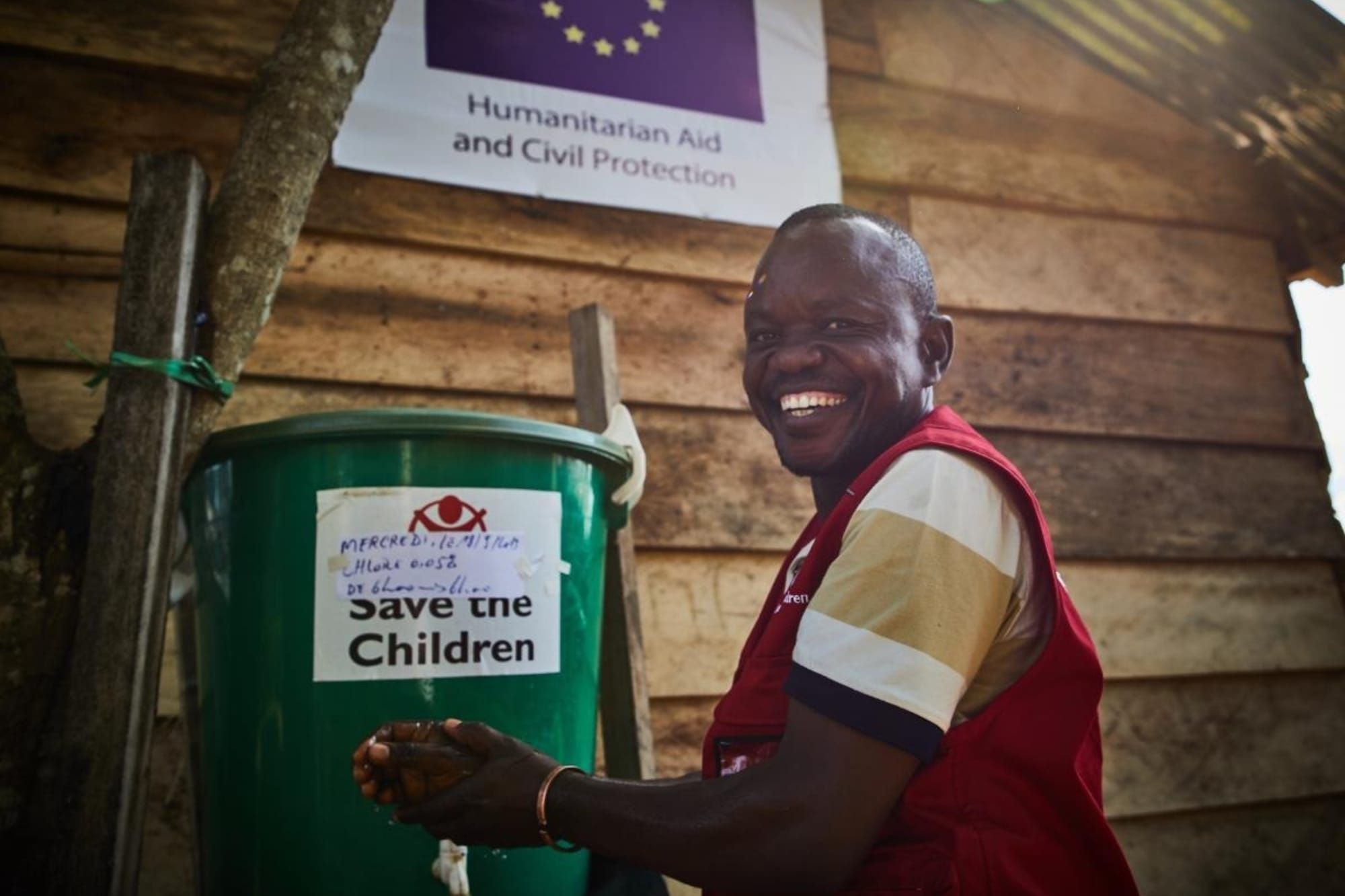
A new outbreak of Ebola virus has been confirmed in Ituri Province, in eastern Democratic Republic of the Congo (DRC), triggering fears of wider regional spread. The Africa Centres for Disease Control and Prevention says around 246 suspected cases and 65 deaths have been reported, mainly in the Mongwalu and Rwampara zones. Laboratory tests in Kinshasa detected Ebola virus in 13 of 20 samples analysed.
Africa CDC has called an urgent coordination meeting with the DRC, Uganda and South Sudan, alongside international partners, to reinforce surveillance and outbreak response measures. Suspected cases have also emerged in Bunia.
At a press conference this afternoon, WHO Director-General Dr Tedros Adhanom Ghebreyesus said he had spoken with DRC Health Minister and assured him of WHO’s “full support”. He said WHO’s representative in DRC and other experts are already in Ituri, “working side by side with DRC health authorities to respond to and contain the outbreak.”
WHO has deployed medical supplies and protective equipment to Bunia, Ituri’s provincial capital, and Tedros has released $500,000 from WHO’s Contingency Fund for Emergencies. Priority actions include risk communication, community engagement, strengthened disease surveillance, active case finding, contact tracing, infection prevention and control in health facilities, safe clinical care and expanded laboratory testing.
The European Centre for Disease Prevention and Control issued a press release stating that the risk to people in the EU/EEA remains “very low”, due to the limited possibility of importation and onward transmission in Europe.
WHO Regional Director for Africa, Professor Mohamed Yakub Janabi, said Ituri’s geography makes the response especially difficult. The province is about 1,700km from Kinshasa, he said, “underscoring the operational complexity of responding rapidly in such a remote and highly mobile setting.”
WHO Director for Health Emergency Alert and Response Operations, Dr Abdirahman Mahamud, said DRC has “a wealth of experience” in managing Ebola, but warned that Ituri is “highly volatile”, with population movement linked to neighbouring South Sudan, Uganda and other areas.
A smaller Ebola outbreak last year was quickly brought under control and also received support from the EU. Many lessons have been learnt since the deadly 2018–2020 Ebola epidemic in eastern Congo, which caused more than 3,400 cases and led the World Health Organization to declare a global health emergency. During that crisis, the European Union provided major funding to support the DRC and WHO response.
 Catherine Feore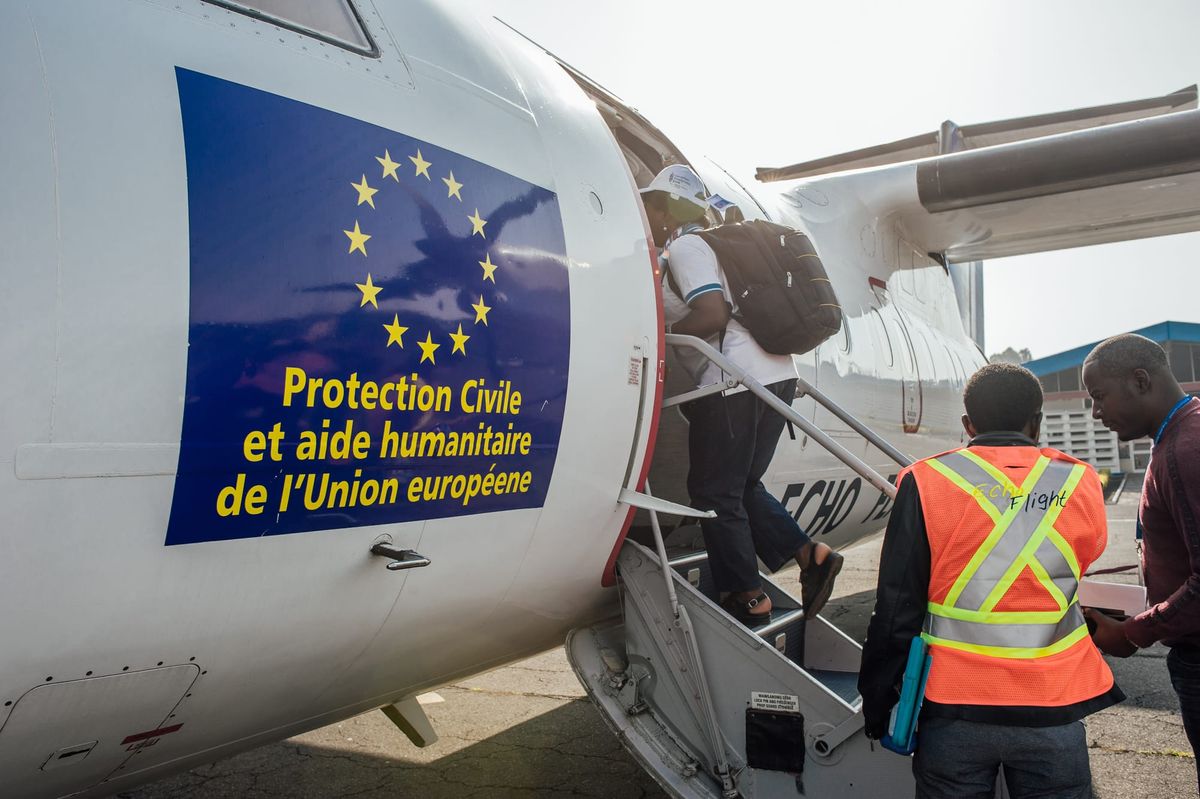
Strain not yet identified
On vaccines, WHO officials said the Ebola strain still needs to be confirmed. Mahamud said there is an approved vaccine for some Ebola strains and candidate vaccines for Sudan Ebola, while WHO’s R&D Blueprint is working with partners to accelerate research if needed. “We have a protocol ready,” he said, adding that WHO is working with Congolese institutions to prepare vaccine and therapeutic research if appropriate.
Dr Maria Van Kerkhove, WHO Acting Director of the Department of Epidemic and Pandemic Preparedness and Prevention, said WHO also has vaccines that can be pre-positioned. DRC has previous experience using Ebola vaccines, she said, and WHO is ready to provide them through existing mechanisms “should it turn out to be a strain… where a vaccine can be used.”
This article was updated following a WHO briefing