
MEPs push for EU solidarity fund to improve access to cross-border healthcare
MEPs want to revive underused cross-border healthcare rights, with funding a key barrier
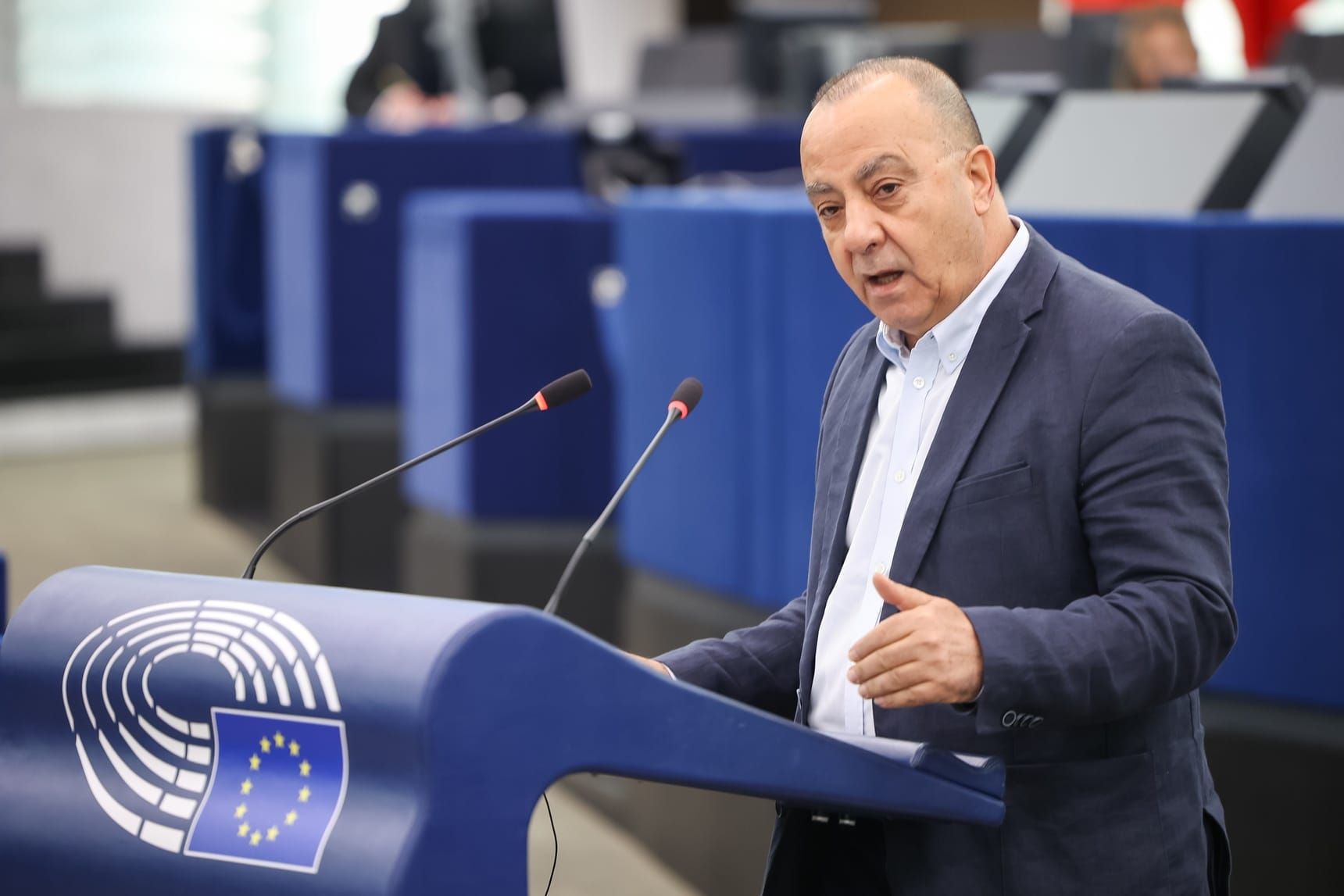
MEPs are pushing for an EU solidarity mechanism to help patients pay for treatment abroad, arguing that financial barriers are preventing Europeans from exercising rights they have had on paper for more than a decade.
The calls came as Parliament discussed a report commissioned to inform its own-initiative report on modernising patients’ rights in cross-border healthcare. The study found that cross-border care accounts for just 0.004% of EU public health expenditure, despite patients continuing to face upfront costs, complex reimbursement procedures and prior-authorisation requirements.
Tomislav Sokol (EPP, Croatia) called the proposed solidarity mechanism a potential “game changer” for vulnerable patients, but challenged Parliament to spell out how it would work.
“How would it work in practice? How would it be financed? Would this be part of the EU budget?” Sokol asked. “We need to know it now, so that we can also use this in negotiations on the future EU budget, in the next MFF.”
Victor Negrescu (S&D, Romania) also threw his weight behind the proposal. “I’m a strong supporter of a solidarity mechanism,” he said, arguing that the EU has the resources and should consider “specific allocation for health in the next multiannual financial framework”.
Stine Bosse (Renew, Denmark) floated another funding route, saying she would use negotiations around the Biotech Act to propose a fund potentially involving pharmaceutical companies.
“I will put forward in connection with the Biotech Act an idea of encouraging the Commission to think about a fund,” Bosse said, including “contributions from the pharmaceutical sector” to strengthen European Reference Networks (ERNs) and the European Health Data Space (EHDS).
The report’s authors said a solidarity mechanism could focus initially on children and other vulnerable patients, or those facing recurring or catastrophic costs, but conceded that its price tag still needs to be established.
MEPs also want cross-border healthcare to open doors to clinical trials. Lisbeth Sommen (EPP, Belgium) - a shadow rapporteur on the opinion - said “the broadening of the scope to include cross-border clinical trials is important and needs to be developed further”, particularly for patients who have exhausted treatment options at home. Vlad Vasile-Voiculescu (Renew, Romania) argued the benefits would run both ways: “Finding patients is a challenge, and we have those patients in Europe.”
But some MEPs questioned the report’s emphasis on improving implementation rather than rewriting the rules.
Sokol pointed directly to the Directive’s requirement that patients generally pay upfront and claim reimbursement later. “You cannot change this without changing the directive,” he said. “This is not just a question of implementation; it’s the question of changing the rules.”
Vytenis Andriukaitis (S&D, Lithuania) underlined the role of cross-border healthcare for rare diseases: “No one country can solve problems with rare diseases alone.”
Tilly Metz (Greens, Luxembourg) added another dimension, arguing that reform must take a “gender-sensitive lens”. Women and girls, she said, face particular barriers to specialised treatment, including “reproductive and maternal healthcare”.
With Member States already battling over the next EU budget, a new healthcare solidarity fund could prove a tough sell.
The report itself focused on recommendations for better implementation rather than legislative changes. The report outlines three pillars for reform: making cross-border care easier for patients to access through better information, reimbursement, and financial support; improving delivery through telemedicine and stronger European Reference Networks; and building more interoperable health systems through the European Health Data Space and better information on quality and safety.
MEPs have until 10 September to propose amendments to the draft report