
Malta hands tobacco industry victory as sole holdout on taxation reform
Malta was the only EU country to reject a compromise agreement on the EU’s revision of the Tobacco Taxation Directive
Malta has handed the tobacco industry a major victory by blocking an agreement on the EU’s revision of the Tobacco Taxation Directive.
The failure at Monday’s ECOFIN meeting came despite the willingness of the EU's other 26 member states to accept a compromise on legislation that would update the EU’s rules that have been in place since 2011.
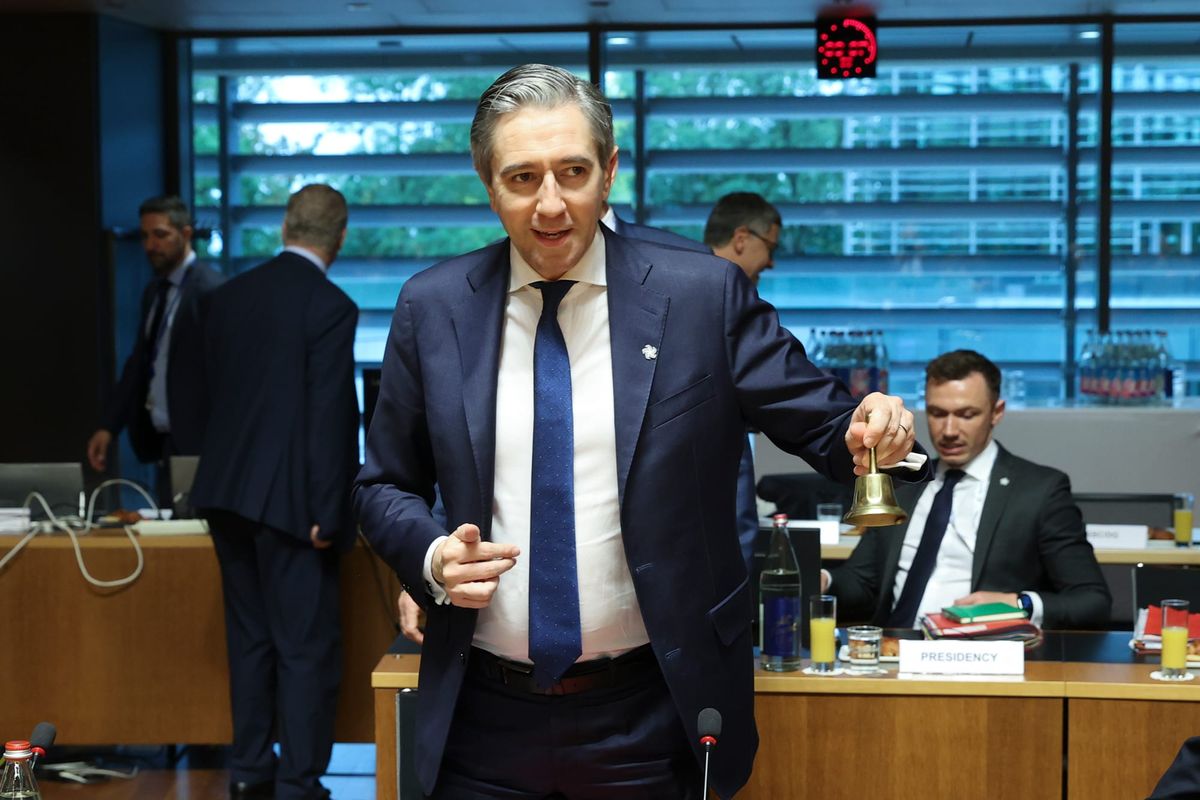
Irish Finance Minister Simon Harris, who chaired the negotiations under Ireland’s EU Council presidency, warned ministers that failure to agree would play directly into the hands of tobacco companies.
“No deal is the least ambitious outcome, and no deal is a victory for the tobacco industry and a danger for young people right across the European Union,” said Harris during the open session of the debate.
He accused tobacco companies of deliberately exploiting loopholes in outdated EU legislation by developing products that escape existing tax rules.
“The industry is directly marketing these products at our young people in all of our member states to ensure that the next generation is hooked on nicotine and hooked on nicotine-related products,” he said.
The proposed directive would increase minimum excise duties on traditional tobacco products while bringing e-cigarette liquids, heated tobacco and nicotine pouches under a harmonised EU taxation framework for the first time.
 Catherine Feore
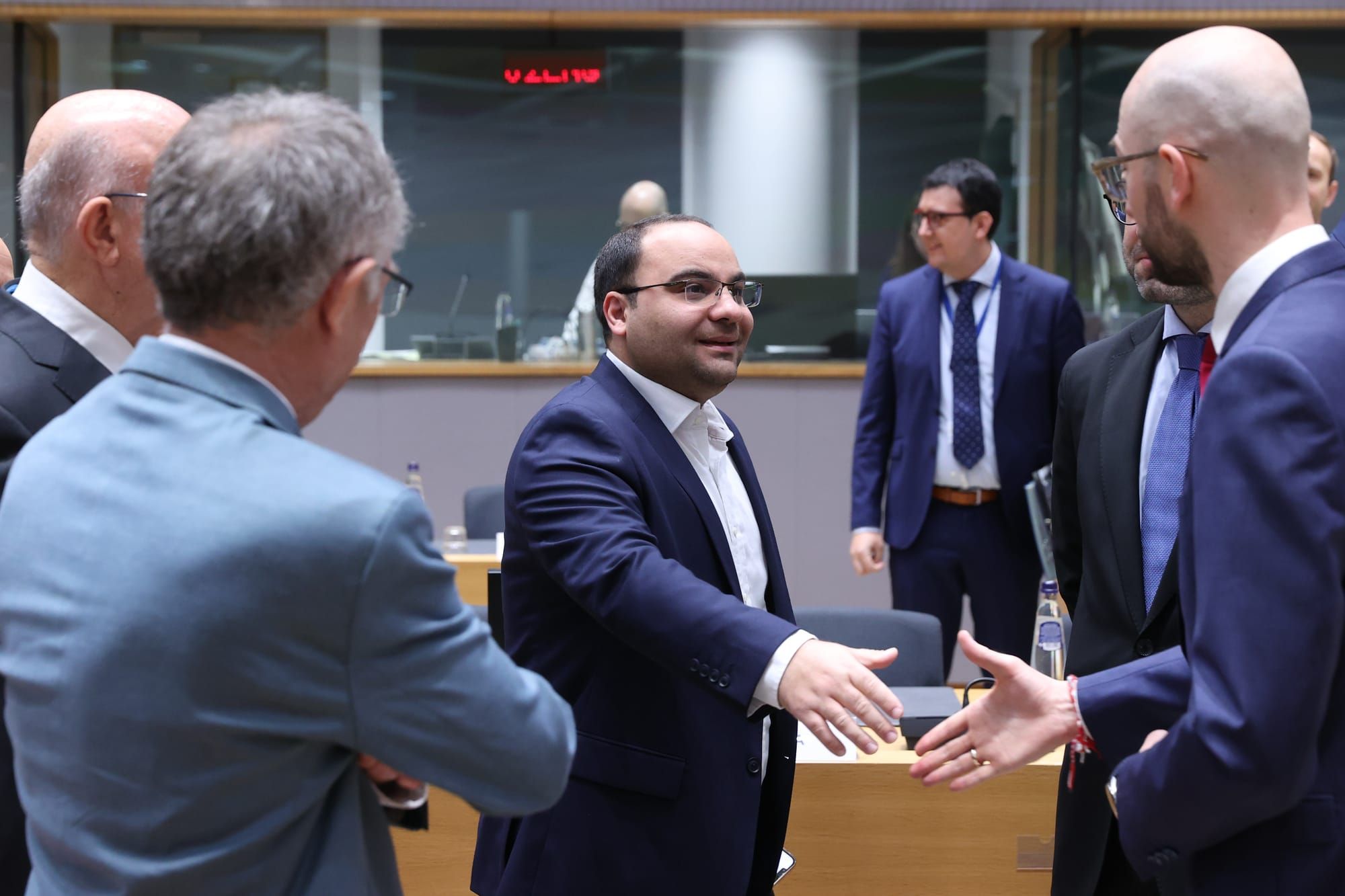
After difficult negotiations, in which many countries agreed to a compromise, Malta’s Finance Minister Clyde Caruana was the only minister who refused to endorse the final agreement, arguing that the proposed minimum tax rates remained too high and that mechanisms for periodic adjustments failed to accommodate national economic circumstances.
“Such increases risk having disproportionate effects in Malta,” Caruana told ministers.
He insisted that Malta supported the legislation's objectives but could not accept the text without further concessions.
Because EU tax legislation requires unanimity, Malta’s opposition was sufficient to derail the agreement. European Commissioner for Taxation Wopke Hoekstra warned that the failure to modernise tobacco taxation was costing governments an estimated €13 billion annually in lost public revenues.
“We're talking about 13 billion a year that is currently leaking away because of this,” Hoekstra told ministers.
He also issued a stark warning about the tobacco industry's targeting of children through brightly coloured vaping products designed to resemble sweets.
“It looks like candy. It is in fancy colours. It is a way to make this attractive, and to basically create a whole new market,” he said, describing the phenomenon as “the revenge of the tobacco industry.”
Hoekstra stressed that the consequences of inaction extended beyond individual countries, with weaknesses in one national taxation system affecting the wider single market.
Finland voiced strong dissatisfaction with the lack of ambition in the proposed taxation of nicotine pouches. Finnish Finance Minister Riikka Purra said successive concessions had effectively stripped the legislation of meaningful safeguards against the growing consumption of these products among young people.
“With nicotine pouches, to be honest, the level of ambition has been totally removed with the latest compromise text,” she said.
The Irish presidency had proposed reducing the initial minimum tax on nicotine pouches to just €20 per kilogram, with future increases dependent on unanimous Council decisions.
Purra warned that cheap nicotine pouches purchased in neighbouring Sweden were increasingly entering Finland through illicit distribution channels, particularly targeting young consumers.
Finland has already introduced substantial domestic taxation on nicotine pouches and fears that low-priced imports will undermine its public-health policies.
“The low minimum tax rate proposed in the compromise would do very little or next to nothing to tackle the problem,” Purra said.
Despite its strong reservations, Finland ultimately joined the other member states in accepting the compromise to secure progress on the wider directive.
Sweden, by contrast, welcomed the latest compromise, which made concessions on nicotine pouches. Swedish State Secretary Johanna Lybeck Lilja emphasized the cultural importance of oral nicotine products in Sweden and confirmed her government's support for the revised proposal.
The contrasting positions highlighted the difficult concessions member states made to secure agreement, leaving Malta isolated in its opposition.
While much more limited than the original proposal the package would have established EU-wide minimum taxation for new nicotine products, strengthened controls on cross-border purchases and improved efforts to combat illicit trade.
Harris said the Irish presidency would continue working with Malta but ruled out reopening the wider negotiations.
For public-health advocates, the outcome represents a damaging setback to Europe's ambition to create a tobacco-free generation by 2040.
The Smoke Free Partnership condemned the failure, warning that governments had already sacrificed significant elements of the proposal's public-health ambition to achieve unanimity.
It urged EU governments not to respond by further weakening the legislation, but instead to restore stronger protections, particularly as Europe prepares further revisions to its tobacco products and advertising legislation.
European Commissioner for Economy and Productivity, Valdis Dombrovskis described the revision as an important step to update outdated rules and bring the rules in line with new products. He said the European Commission would continue to support the Irish Presidency in reaching an agreement.