
Inside EU Health: Várhelyi; MEPs welcome medical devices reform; beating cancer plan
Várhelyi investigation 'progress has been made'; ‘Let me be very clear, there will be no compromise on safety’ Várhelyi tells MEPs; Voiculescu calls for greater accountability in Europe’s cancer plan
Várhelyi investigation 'progress has been made'
European Commission Spokesperson on Administration, Balazs Ujvari, confirmed that there has been progress in the investigation into Health Commissioner Olivér Várhelyi. The Commission launched an investigation in October 2025 after allegations of spying emerged from an investigation by Direkt36 and other media organisations.
Ujvari said he could confirm that progress has been made, and the Commission will inform the parliament once all administrative steps are completed. For operational reasons and to ensure the confidentiality of the process, he said there would be no further comment on this internal operational security matter.
Várhelyi investigation 'progress has been made'
‘Let me be very clear, there will be no compromise on safety’ Várhelyi tells MEPs
Health Commissioner Olivér Várhelyi presented his plans to simplify rules for medical devices and diagnostics to the Parliament’s Public Health Committee (SANT) meeting, yesterday. He argued the current system has “become too complex, too slow and too burdensome,” stressing that reforms would not undermine the safety of devices.
The overhaul of MDR and IVDR aims to reduce duplication and accelerate access to new technologies, potentially saving over €3 billion. MEPs broadly supported the move. MEP Tiemo Wölken highlighted “significant challenges” from existing rules, while warning that “patient safety must be our top priority.”
Peter Liese said “too much bureaucracy” is harming patients, resulting in dangerous shortages.
On AI, MEP Ignazio Marino insists that it must remain under “meaningful human supervision”. Várhelyi agreed, saying the EU aims to both lead globally in AI-enabled healthcare and ensure its use in this “highly sensitive field” remains under human oversight.
 Catherine Feore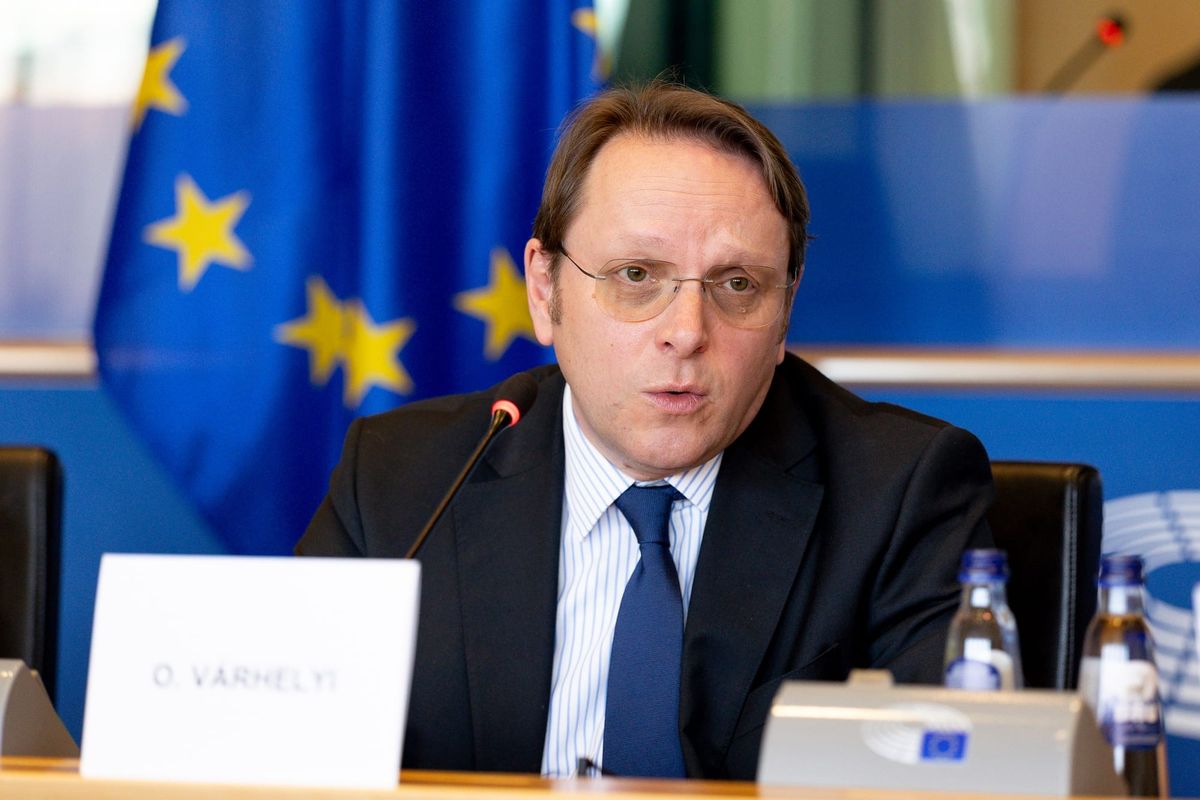
Voiculescu calls for greater accountability in Europe’s cancer plan
MEP Vlad Vasile-Voiculescu (Renew, Romania) presented his report on Europe’s Beating Cancer Plan to the SANT Committee. He warns that despite progress, Europe is still failing to deliver equal and measurable outcomes for patients.
Voiculescu praised the plan as “a major political step forward”; however, he complained that the current approach lacks accountability: “The plan was not built to measure outcomes,” meaning citizens cannot see whether EU action is improving survival or access to care.
A central theme of his report was prevention. Voiculescu sharply criticised political inaction on prevention. With 40% of cancers considered preventable, he said delays to the Tobacco Products Directive revision and mandatory alcohol health warnings represent strategic, political and moral failures.
He also highlighted Europe’s innovation gap, warning that EU-funded breakthroughs, particularly in AI cancer detection, are increasingly commercialised outside Europe: “We are becoming the continent that funds the research and imports the product.”