
‘Let me be very clear, there will be no compromise on safety’ Várhelyi tells MEPs
The European Commission’s plan to simplify medical device regulations sparked broad support from MEPs, who welcome reforms but say they must not come at the expense of patient safety
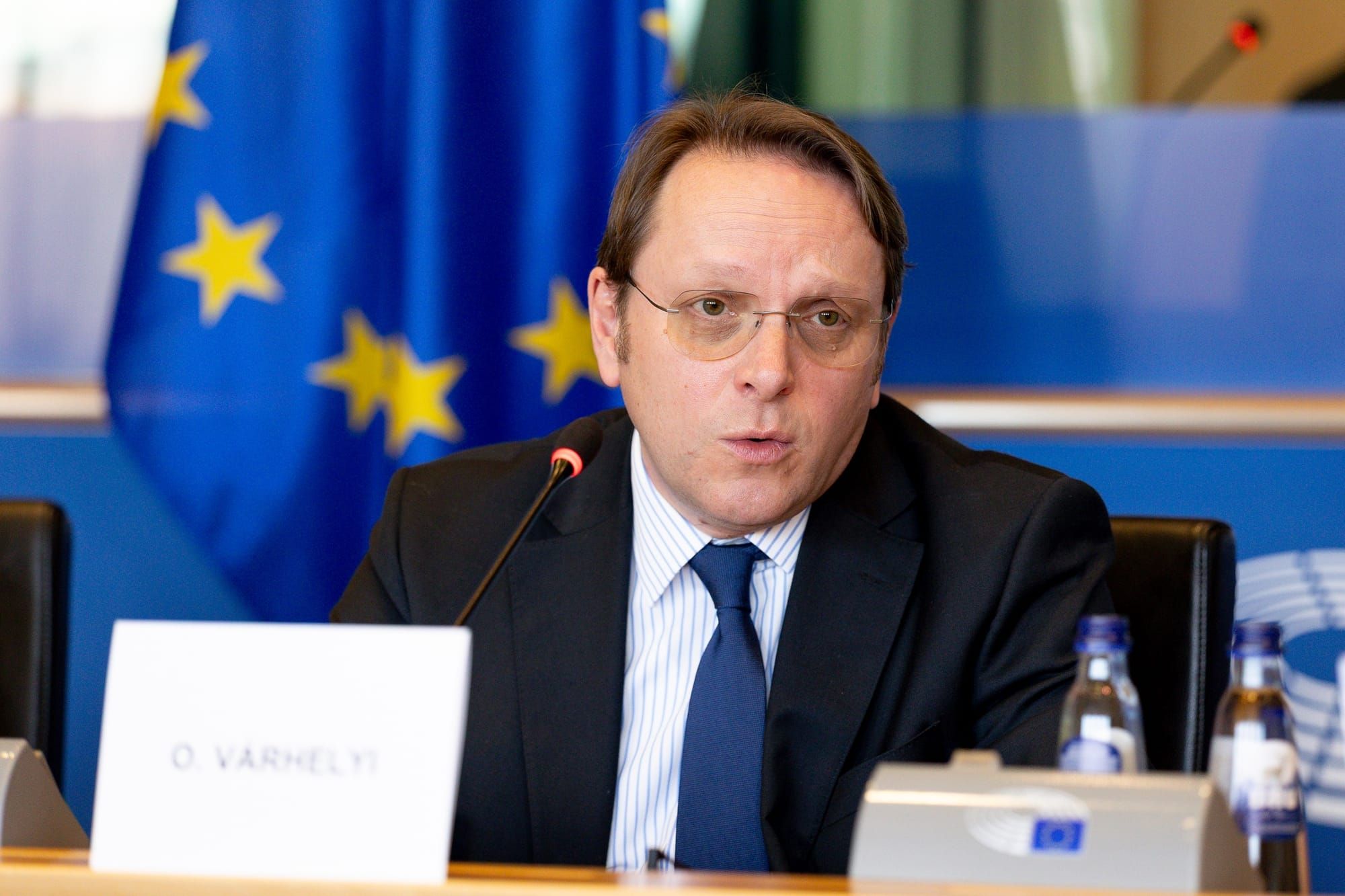
At the Parliament’s Public Health Committee (SANT) committee meeting Health Commissioner Olivér Várhelyi defended the Commission’s plan to simplify the regulatory framework for medical devices (MDR) and in vitro diagnostic medical devices (IVDR), arguing that Europe must cut red tape without weakening patient safety.
The discussion focused on the Commission’s proposal of 16 December 2025 to amend the rules as part of a broader effort to make the EU health system more innovative, competitive and resilient.
 Catherine Feore
No compromise on safety
Presenting the proposal, Várhelyi said the current system has “become too complex, too slow and too burdensome for all the stakeholders”. There are 38,000 medtech companies operating in Europe, most of them small businesses, the sector has been crying out for simplification but the Commissioner stressed that it would not come at the expense of safety: “Let me be very clear on it: no compromise on safety.” Instead, the aim is to make the framework more proportionate and risk-based, removing repetitive procedures that do not improve protection for patients.
Várhelyi highlighted the economic stakes, saying the proposal could allow operators to save more than €3 billion. He also underlined the urgency of action, warning Parliament that “we’re in the last moment to save this unique industry,” especially given that 90% of Europe’s medtech sector is made up of SMEs.
MEPs broadly welcomed the initiative, while pressing the Commissioner on the balance between faster market access and robust safeguards. MEP Tiemo Wölken (S&D, Germany) said that the Parliament has recognised the need for revision for a long time:
“The MDR and IVDR have created significant challenges for the industry over the years. Duplicate assessments, overlapping reporting, limited harmonisation and oversight, as well as the insufficient use of digital solutions, have led to a heavy administrative burden for both authorities and economic operators.”
However, he warned that lawmakers “should not repeat the mistakes made over a decade ago”, pointing to past scandals involving dangerous breast implants and faulty hip implants, “patient safety must be our top priority”.
Peter Liese (EPP, Germany), a strong advocate for reforms, struck a similar note, arguing that overregulation is now harming patients as well. “Patients are in danger because of too much bureaucracy,” he said, citing shortages of important devices, particularly in paediatrics. In his view, recertification of well-established products “doesn’t make sense” and only adds delay.
Artificial intelligence
MEP Ignazio Marino (Green, Italy) focused on the growing role of artificial intelligence, urging caution as legislators seek to simplify the system. “Simplification cannot become a shortcut just to make more money in a hospital,” he warned. Referring to new AI tools in clinical settings, he argued that “there is something more than just words when you meet a patient,” and insisted that technological progress must remain under meaningful human supervision.
Várhelyi said there were two objectives with AI: “First, we want to establish a state-of-the-art set of rules that facilitates the use of artificial intelligence and positions us ahead of our competitors, including the United States and China. Second, we want to ensure that the use of artificial intelligence in the medical sector, a highly sensitive field with significant risks, remains under human oversight.”
Together, the exchanges showed broad political support for reform, but also a clear message: simplification will only win backing if it remains firmly anchored in patient safety.