Inside EU Health: Cardiovascular; Ebola; North Macedonia joins EU4Health
MEPs adopt cardiovascular strategy, prioritising early detection and risk reduction; France reports first case of Ebola and WHO launches its first trials; North Macedonia joins the EU4Health programme
MEPs adopt cardiovascular strategy, prioritising early detection and risk reduction
The European Parliament’s Public Health Committee has backed a tougher EU response to cardiovascular disease, placing prevention, early detection and health inequalities at the centre of Europe’s first cardiovascular health strategy.
The report, adopted on Wednesday by 38 votes to two, with one abstention, responds to the European Commission’s “Safe Hearts Plan”, unveiled in December.
Rapporteur Romana Jerković (S&D, Croatia) acknowledged that the text was the product of political compromise. “Frankly, I would have personally wished for a more ambitious approach in certain areas, particularly when it comes to tobacco and alcohol,” she said. Nevertheless, she welcomed its “strong focus on early detection, reducing risk factors and inequalities”.
“For too long, Europe has focused on paying for the consequences of cardiovascular disease instead of addressing its causes,” Jerković added. “If we are serious about reducing Europe’s biggest killer, we need public health policies driven by evidence, not by commercial interests.”
MEPs also endorsed wider cardiovascular health checks, mandatory CPR training and measures to tackle health disparities. Renew Europe’s Stine Bosse highlighted plans for an EU cardiovascular health inequalities dashboard, saying it would help address women’s underdiagnosis and close gender health gaps and improve the collection of gender-disaggregated data.
The full Parliament is expected to vote on the report in September.
 Catherine Feore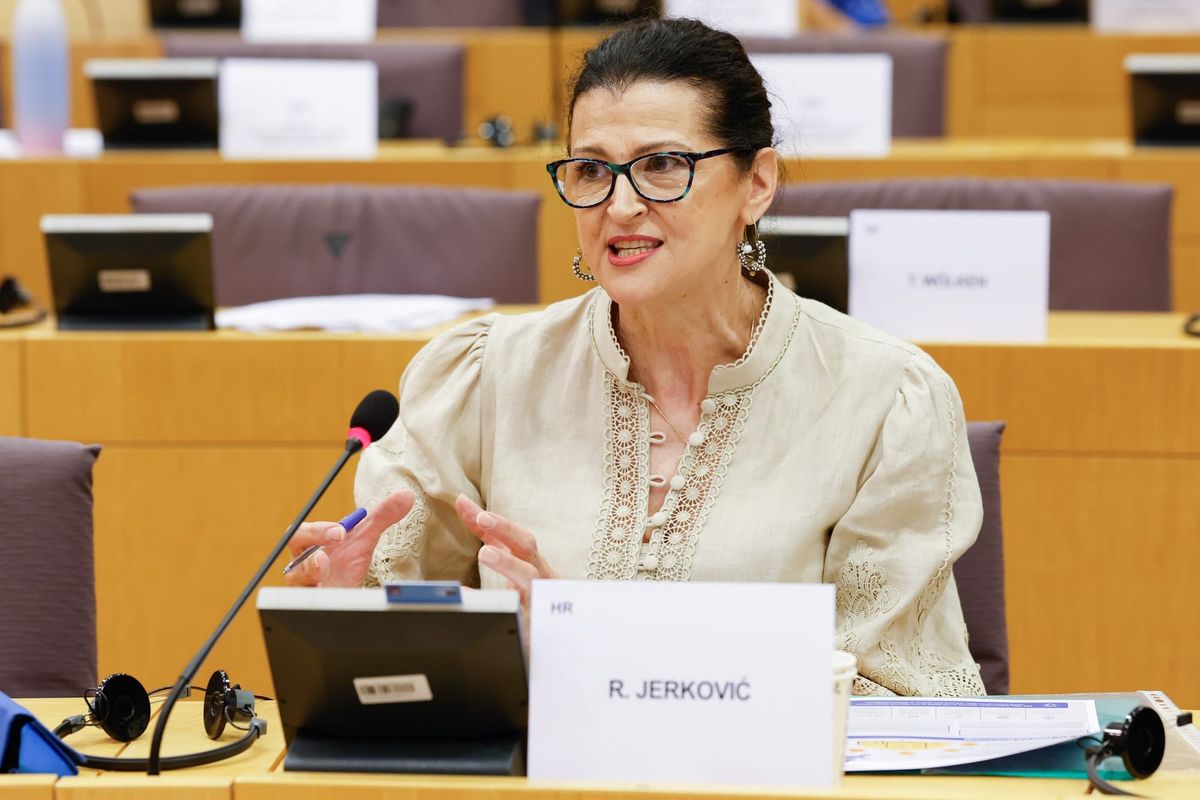
France reports first case of Ebola and WHO launches its first trials
France has confirmed its first imported case of Bundibugyo Ebola virus disease linked to the ongoing outbreak in the Democratic Republic of Congo (DRC), prompting a swift public health response.
The patient, a humanitarian worker returning from an affected area, was immediately isolated and admitted to a specialist treatment centre. The French Health Ministry said the patient is in stable condition and that authorities are conducting contact tracing.
“Health authorities are fully mobilized,” the ministry said, adding that all identified contacts will self-isolate for 21 days and be closely monitored.
The European Centre for Disease Prevention and Control (ECDC) urged EU countries to maintain preparedness but stressed that the risk of wider transmission remains low. “The risk of sustained transmission within the EU/EEA is very low,” the agency said, provided effective measures for detection, isolation and treatment are in place.
At the World Health Organization (WHO), Director-General Dr Tedros Adhanom Ghebreyesus warned that “continued scale-up is needed” in the DRC response, while cautioning against panic over the French case.
WHO has also launched clinical trials of two potential treatments, MBP-134 and Remdesivir. According to WHO scientist Dr Vasee Moorthy, the studies will assess whether the therapies are “safe and effective” against Bundibugyo Ebola, both individually and in combination.
 Catherine Feore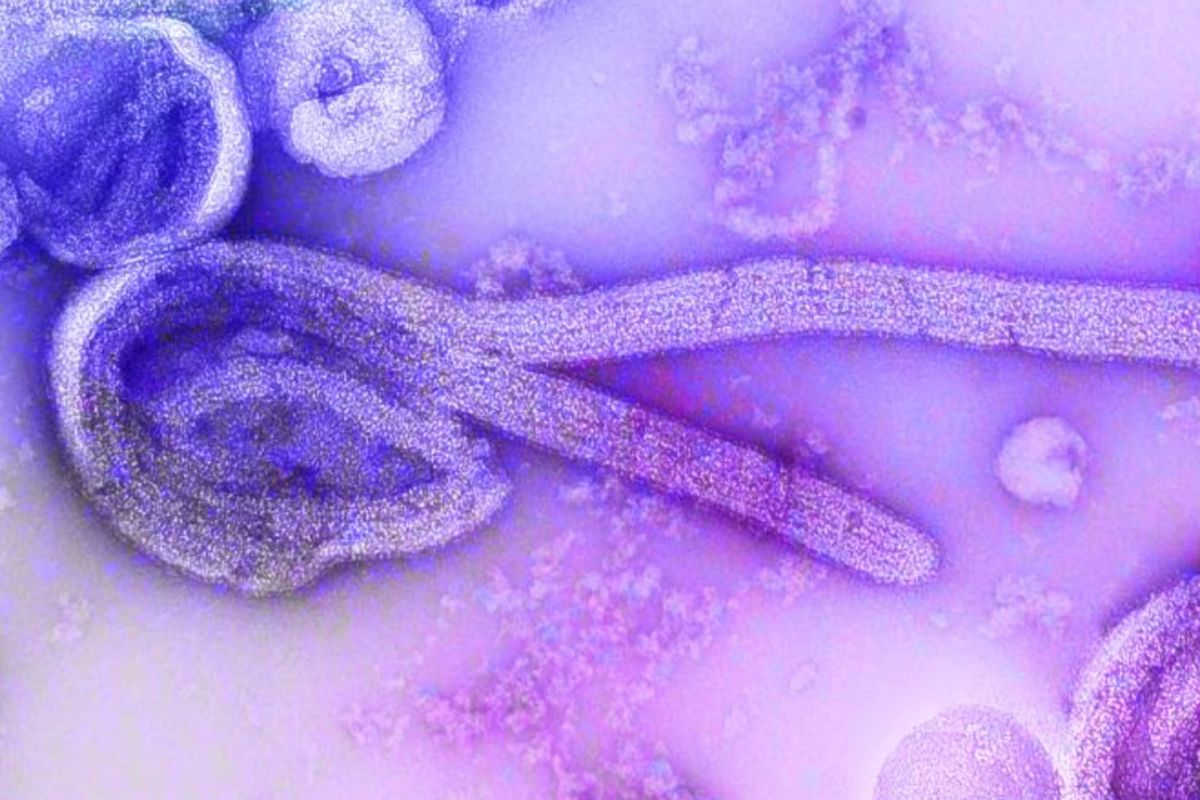
North Macedonia joins the EU4Health programme
The European Union has signed an agreement granting the Republic of North Macedonia access to funding under the EU4Health programme.
“I warmly welcome today's agreement, through which the Republic of North Macedonia will be able to strengthen its healthcare sector with the support of EU funds,” said Health and Animal Welfare Commissioner Olivér Várhelyi. He described the deal as “a concrete step in deepening our health cooperation.”
The agreement applies retroactively from 1 January 2026 and opens EU4Health funding opportunities to both public and private health sector organisations in North Macedonia.