
France reports first case of Ebola and WHO launches its first trials
France has confirmed its first case of Bundibugyo Ebola virus disease linked to the current outbreak in the Democratic Republic of Congo
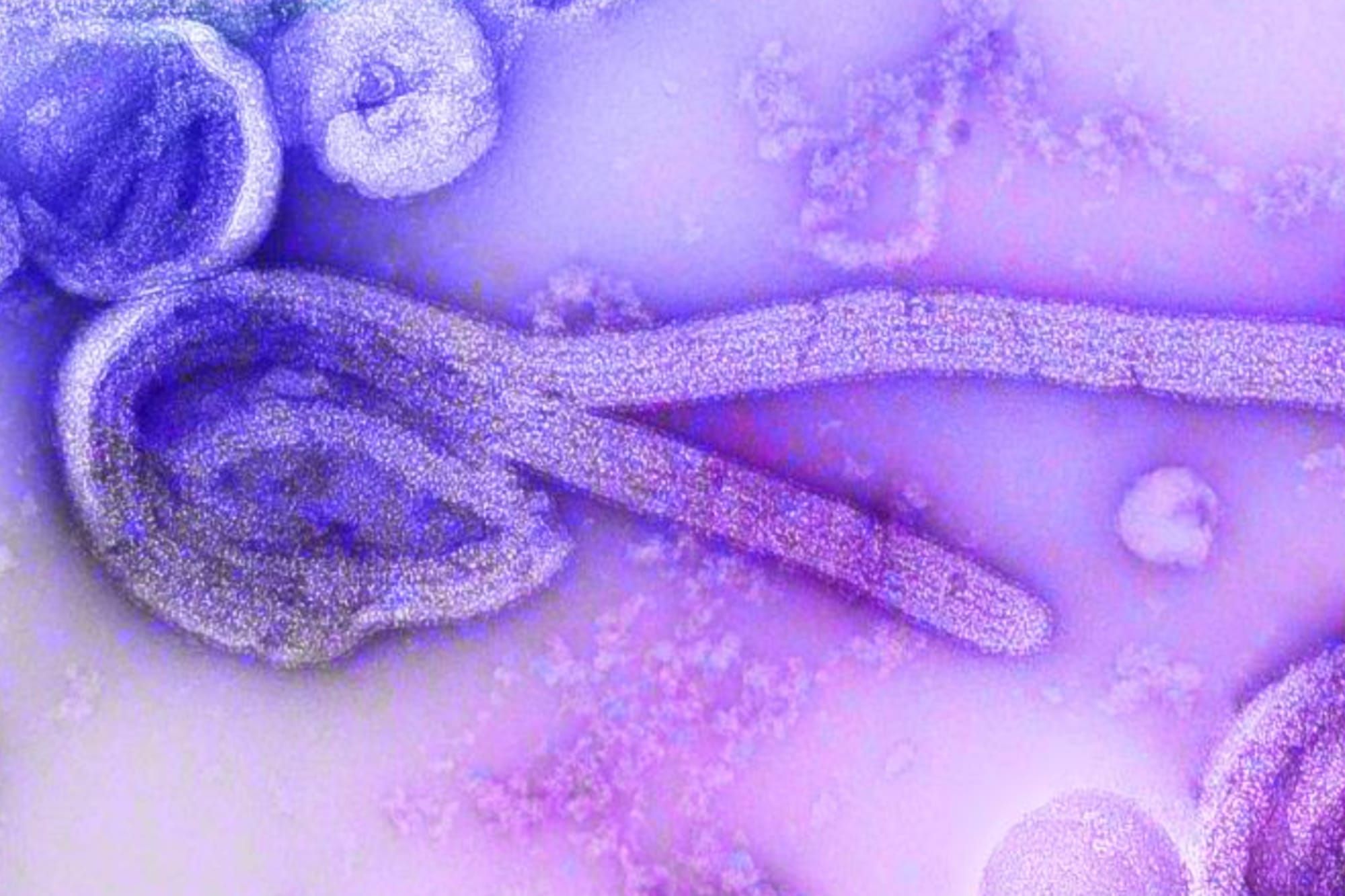
France has confirmed its first imported case of Bundibugyo Ebola virus disease linked to the ongoing outbreak in the Democratic Republic of Congo (DRC). The patient, a humanitarian worker returning from an Ebola-affected area in eastern DRC.
In a statement, the French Ministry of Health sought to reassure the public that the patient was immediately admitted to a specialized facility and said he is in a stable condition
The ministry stressed that France has extensive experience managing highly infectious diseases and that the patient is being treated under strict biosafety conditions, including isolation in a negative-pressure room. Authorities have launched a full epidemiological investigation to identify anyone who may have come into contact with the patient.
Contacts will be required to self-isolate for 21 days and will be monitored by regional health authorities. Dedicated monitoring has also been established for French aid workers returning from affected regions.
Following confirmation of the French case, the European Centre for Disease Prevention and Control (ECDC) called on European countries to maintain vigilance and called on member states to continue to strengthen their preparedness, adding that “the risk of sustained transmission within the EU/EEA is very low provided that effective measures for early detection, isolation and treatment of patients are in place.”
Health officials reiterated that Ebola is transmitted through direct contact with the blood or other bodily fluids of infected people or animals and is not spread through the air. Healthcare workers and individuals working closely with affected communities remain at the greatest risk of infection.
Speaking during a WHO briefing, Director-General Dr Tedros Adhanom Ghebreyesus warned that although progress is being made in controlling the outbreak, significant challenges remain.
“The coordinated response to the outbreak is starting to take hold, but continued scale-up is needed,” Tedros said. He pointed to weaknesses in contact tracing, insufficient treatment capacity, difficulties carrying out safe burials, ongoing insecurity and a lack of funding.
At the same time, he cautioned against alarm over the imported French case.
“Whenever a case happens in Europe or other parts of the world outside Africa, I see overreaction,” he said. “There is no need for panic because in the past 50 years the number of cases that were detected outside Africa are less than 30.”
European Commission update 22:30
The European Commission told Vital Signs that they coordinate closely with the ECDC, which has already produced guidance for European health authorities. On 18 June, the Health Security Committee had already met to discuss steps in the event of an imported case.
Exit screening is taking place on the ground, and an EU Health Taskforce has deployed experts to assess the quality of screening practices. However, the Commission acknowledges that screening cannot fully prevent the exportation of cases, as the absence of detectable symptoms at departure does not preclude the subsequent onset of disease, describing it as “one element of a broader public health approach”.
In the past few weeks, Ebola patients were medically evacuated to Germany and the Czech Republic, following strict protocols.
Treatment trials underway
Meanwhile, WHO officials highlighted efforts underway in DRC saying that there was a strong community-led response. Executive Director of the WHO Health Emergencies Programme, Dr Chikwe Ihekweazu, who recently returned from the region, said: “Right now, there are nine labs across three provinces able to make this diagnosis. This is a little miracle for it to happen, because it's not just setting out a few pieces of equipment and reagent, it's providing power, providing security, sample transportation.”
Alongside containment measures, WHO is accelerating research into potential treatments for Bundibugyo Ebola virus disease. Dr Vasee Moorthy, head of WHO's R&D Blueprint programme, announced the launch of clinical trials evaluating MBP-134, a combination of two pan-ebolavirus antibodies, and the antiviral drug Remdesivir.
Researchers will assess both treatments individually and in combination. According to Moorthy, the lower fatality rate of the Bundibugyo strain - compared to other species of Ebola - means that approximately 1,000 participants will need to be enrolled before scientists can determine whether the therapies are safe and effective.
The trial will gradually expand across multiple treatment centres in affected areas, providing what health officials hope will be the strongest evidence yet on how best to treat one of the world's most dangerous viral diseases.