MEPs adopt cardiovascular strategy, prioritising early detection and risk reduction
On Wednesday (24 June), Parliament’s Public Health Committee adopted its response to the EU’s first-ever cardiovascular health plan
The European Parliament’s Public Health Committee has adopted its response to the EU’s first-ever cardiovascular health strategy, backing a stronger focus on prevention, early detection and action against major risk factors for heart disease and stroke.
The report, approved on Wednesday (24 June) by 38 votes to two, with one abstention, responds to the European Commission’s “Safe Hearts Plan”, unveiled in December 2025. It calls for a coordinated EU approach to preventing cardiovascular diseases (CVDs) and tackling related conditions including diabetes, hypertension, cancer, chronic kidney disease and obesity.
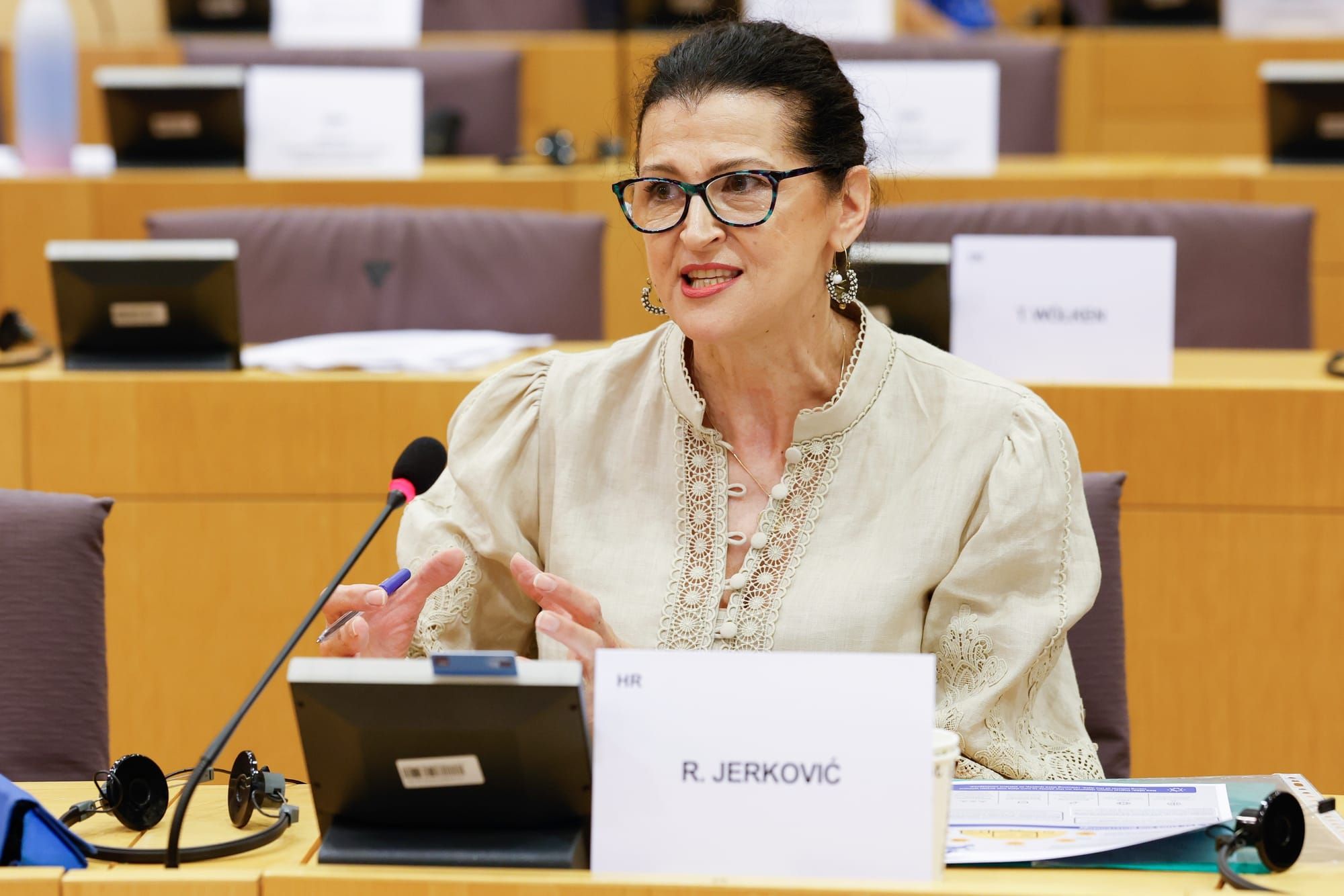
Rapporteur Romana Jerković (S&D, Croatia) described her text as a compromise: “Frankly, I would have personally wished for a more ambitious approach in certain areas, particularly when it comes to tobacco and alcohol,” she said. “But this is a compromise, and the spirit of the compromise is that all of us have had to give something, and all of us have gained something.”
She nevertheless welcomed the report’s emphasis on prevention, highlighting “a strong focus on early detection, reducing risk factors and inequalities”.
“For too long, Europe has focused on paying for the consequences of cardiovascular disease instead of addressing its causes,” Jerković added. “If we are serious about reducing Europe’s biggest killer, we need public health policies driven by evidence, not by commercial interests.”
MEPs are calling for all nicotine products, including novel products such as e-cigarettes and vapes, to be brought under the EU Tobacco Products Directive. They also want social media advertising to be explicitly covered by EU tobacco advertising rules.
MEP Stine Bosse (Renew Europe, Denmark), said prevention must begin early in life. “Our report backs a progressive approach on tobacco and nicotine,” she said. “We call for the EU Tobacco Products Directive to be revised to bring all nicotine products, including novel ones like vapes, under the Directive, and to tackle advertising and sponsorships that promote these harmful products, including on social media.”
The committee also called for greater public awareness of the health risks associated with harmful alcohol consumption and stronger promotion of healthy diets and physical activity. MEPs support improved front-of-pack nutrition labelling and further assessment of the health impacts of ultra-processed foods and energy drinks.
The report strongly supports wider cardiovascular health checks, particularly for people with risk factors or a family history of CVDs, alongside improved access to affordable, high-quality care. It also advocates mandatory CPR training in schools and workplaces.
 Catherine Feore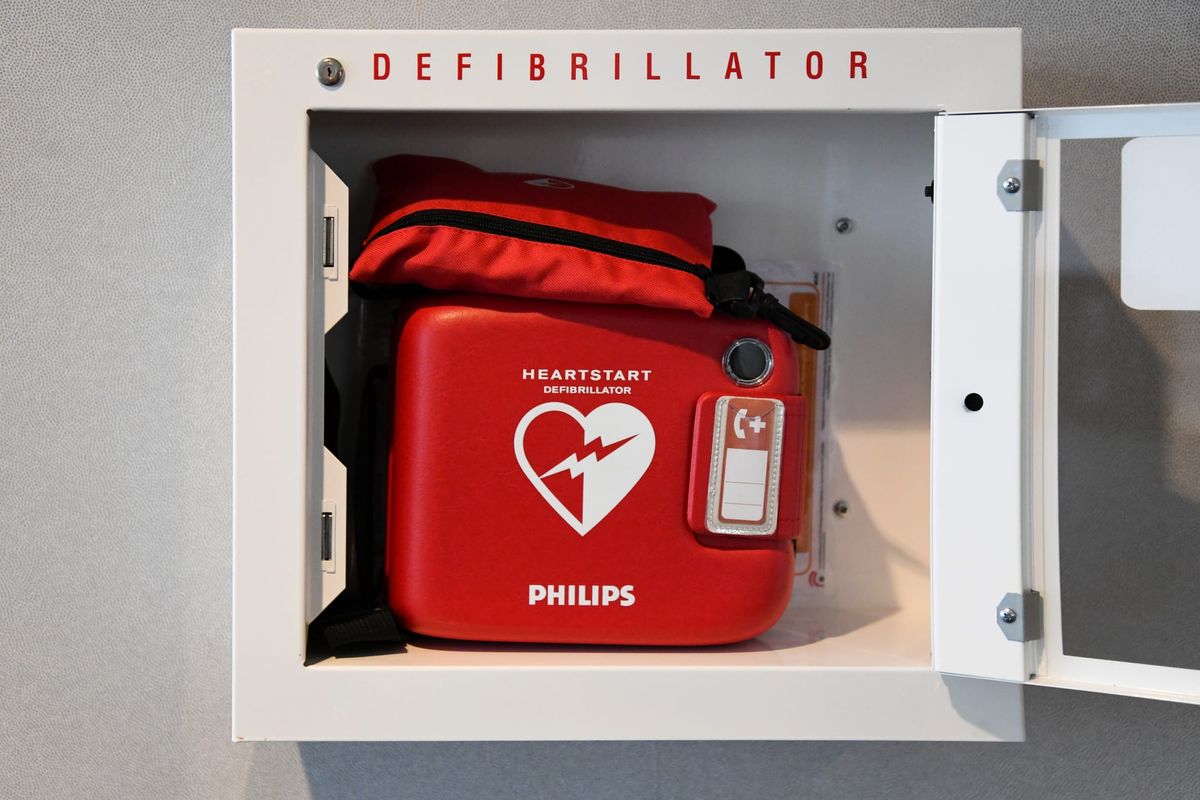
Detection and an inequalities dashboard
MEPs support the introduction of cardiovascular health checks, particularly for people with at least one risk factor or a family history of premature cardiovascular disease, arguing that earlier diagnosis can help prevent serious complications and improve outcomes.
The committee also calls for timely and affordable access to high-quality care for people living with cardiovascular diseases. It urges both EU institutions and national governments to address health inequalities linked to income, employment, housing conditions, age, gender, access to healthcare services and environmental factors.
“We propose to create an EU cardiovascular health inequalities dashboard,” said Bosse. “This new tool should help collect actionable data on women’s underdiagnosis and better understand the gender health gap, including under-representation in trials, and help collect gender-disaggregated data.”
Parliament is expected to vote on the report during its September 2026 plenary session.
 Catherine Feore