
EU risks squandering lessons of COVID-19 as experts warn of dangerous complacency
Europe could find itself dangerously exposed to another pandemic despite investment in preparedness
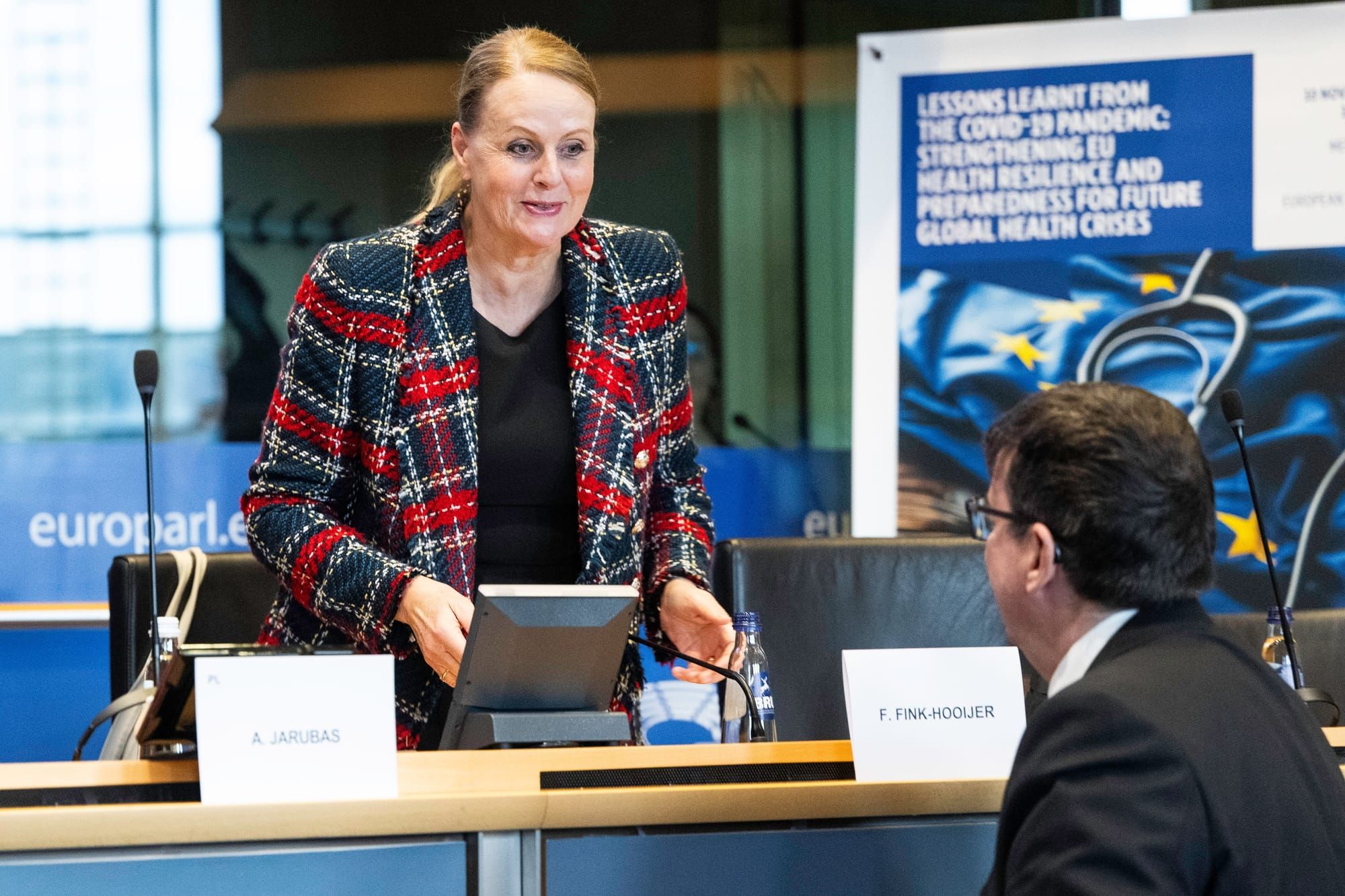
Health experts warn that political complacency, underfunded healthcare systems and growing distrust of science threaten to undermine the EU's ability to respond to future crises.
Six years after COVID-19 exposed Europe's healthcare vulnerabilities, EU policymakers are being warned that the continent risks repeating costly mistakes as political attention shifts away from pandemic preparedness.
At an interparliamentary meeting in the European Parliament, health experts, former ministers and lawmakers delivered a stark message: Europe has strengthened its emergency response capabilities, but progress could unravel without sustained investment and political commitment.
Adam Jarubas, Chair of the European Parliament's Committee on Public Health, warned that the lessons of COVID-19 must translate into concrete action, not another round of institutional discussions.
He also highlighted the continuing suffering of long COVID patients, many of whom still face difficulties obtaining diagnoses, treatment and appropriate support.
Progress under threat
Florika Fink-Hooijer, Director-General of the European Commission's Directorate-General for Health Emergency Preparedness and Response (DG HERA), acknowledged that Europe remains far from fully prepared.
"We are certainly better prepared, but I would never say we are fully prepared," she warned.
The EU has invested in disease surveillance, vaccine manufacturing, emergency stockpiles and early-warning systems. Yet these improvements offer no guarantee against another major health emergency.
Antimicrobial resistance, climate-driven infectious diseases, emerging pathogens and artificial intelligence-enabled biological threats are expanding the risks facing European health systems.
Fink-Hooijer warned that cutting funding under the EU's next multiannual financial framework could jeopardize progress already achieved.
Her intervention raised an uncomfortable question for European governments: are they prepared to pay for health security before disaster strikes, or will they once again scramble for resources when it is too late?
Healthcare investment or another crisis?
Roberto Speranza, Italy's former Health Minister and current member of the Chamber of Deputies, challenged governments to stop treating healthcare primarily as a budgetary burden.
Health expenditure, he argued, must be regarded as a strategic investment.
Speranza warned that overstretched hospitals, insufficient healthcare personnel and weak primary care systems cannot suddenly become resilient when confronted with an emergency.
He also questioned why the EU had not gone further in extending joint purchasing arrangements beyond COVID-19 vaccines.
Mikael Dahlqvist, a member of the Swedish Parliament's Committee on Health and Welfare, acknowledged serious failures in protecting elderly people during the pandemic.
Sweden's reliance on recommendations and individual responsibility exposed weaknesses in coordination between municipal elderly care and regional healthcare services.
His account underscored how even countries confident in their public institutions discovered that fragmented responsibilities could have devastating consequences.
Political denial and the erosion of science
Professor Ilaria Capua, an Italian virologist specializing in influenza and zoonotic infections, delivered one of the meeting's sharpest warnings.
She identified "institutional denialism" as a major cause of pandemic mismanagement, accusing political leaders who minimized the emerging crisis of undermining the response.
Capua warned that anti-science movements, misinformation and declining confidence in vaccines could leave Europe dangerously vulnerable.
Lithuanian MEP Vytenis Andriukaitis (S&D, Lithuania) also criticized politicians who undermine scientific expertise. "Anti-vaxx movementsand conspiracy theories, which quite often are spread by politicians, complicate the situation," he warned.
Hungarian MEP András Kulja (EPP, Hungary), a medical doctor who worked in a COVID-19 department, offered a stark reminder of the pandemic's human cost.
"I have seen people die. I have seen what this disease can do, and I have called families to tell them that their loved one had died," he told the meeting.
Pandemic Agreement
Politicians also raised concerns about weakening international pathogen surveillance and unresolved agreements on sharing genetic information, referring to ongoing WHO negotiations on the Annex to the pandemic accord on pathogen access and benefit-sharing (PABS).
Artificial intelligence, she cautioned, could accelerate medical innovation but also enable new biological threats.
Her warning exposed a fundamental weakness in preparedness: sophisticated vaccines and emergency systems may prove insufficient if citizens no longer trust the institutions deploying them.
Hospitals remain vulnerable
The debate also exposed the unfinished business of COVID-19, including workforce shortages, disrupted treatment and the continuing impact of long COVID.
Mariana Vieira da Silva, a member of the Portuguese Parliament's Committee on Health, highlighted the difficulties healthcare systems face in maintaining essential services during emergencies.
Dr Alessandro Delle Donne, Extraordinary Commissioner of the Provincial Health Authority of Agrigento, described how bureaucratic obstacles, procurement difficulties and fragmented information systems complicated Italy's pandemic response.
He stressed that hospitals need predictive planning, effective crisis management and faster communication between local and European authorities.
A warning politicians cannot ignore
Despite differences in national approaches, speakers converged on one conclusion: pandemic preparedness cannot be switched on when the next crisis begins.
Europe needs functioning hospitals, reliable medical supplies, trained personnel, scientific cooperation and sustained public trust.
The political danger is that governments may congratulate themselves on reforms already introduced while allowing the systems underpinning them to weaken.
As Speranza warned, the tragedy would be to waste the lessons of COVID-19.