
Sexually transmitted diseases are rising sharply
Sexually transmitted infections are reaching record levels across Europe, with health officials warning of a sharp rise in congenital syphilis cases among newborns
New figures from the European Centre for Disease Prevention and Control (ECDC) show sexually transmitted infections are rising sharply across Europe, with gonorrhoea and syphilis reaching their highest recorded levels in more than a decade. Health officials are particularly alarmed by the near doubling of congenital syphilis cases, where infection is passed from mother to child during pregnancy.
According to ECDC data for 2024, gonorrhoea cases rose by 303% compared with 2015, reaching more than 106,000 cases, while syphilis infections more than doubled to over 45,000. Chlamydia remains the most commonly reported bacterial STI, with more than 213,000 cases recorded.
“Sexually transmitted infections have been on the rise for 10 years and reached record high levels in 2024,” said ECDC Head of Directly Transmitted and Vaccine-Preventable Diseases Bruno Ciancio. “Most distressingly, between 2023 and 2024, we have seen a near doubling of congenital syphilis.”
The latest figures reveal significant differences across Europe. While some countries reported no congenital syphilis cases in 2024, others experienced serious outbreaks. Bulgaria, Hungary and Portugal together accounted for more than half of all congenital syphilis cases reported in the EU and EEA, illustrating what ECDC officials described as “considerable heterogeneity” between member states.
ECDC Principal Expert for STIs Lina Nerlander stressed that no single explanation accounts for the rise. Possible factors include changes in sexual behaviour after the COVID-19 pandemic, declining condom use, dating apps, and more frequent testing among people using HIV pre-exposure prophylaxis (PrEP). “Men who have sex with men remain disproportionately affected,” Nerlander said, while noting that increases are also being seen among heterosexual women of reproductive age.
Syphilis: Officials said the rise in syphilis among women is directly linked to the increase in congenital syphilis. Scientific Officer Otilia Mårdh described every congenital syphilis case as “a failure in prevention of vertical transmission [...] There are simple and well-established interventions.”
Those interventions include universal first-trimester screening during pregnancy, and repeat testing later in pregnancy in high-risk settings.
The briefing also highlighted how policy approaches differ widely across Europe. Only around a third of EU countries provide STI testing free of charge for everyone, while many still require out-of-pocket payments or parental consent for minors seeking tests.
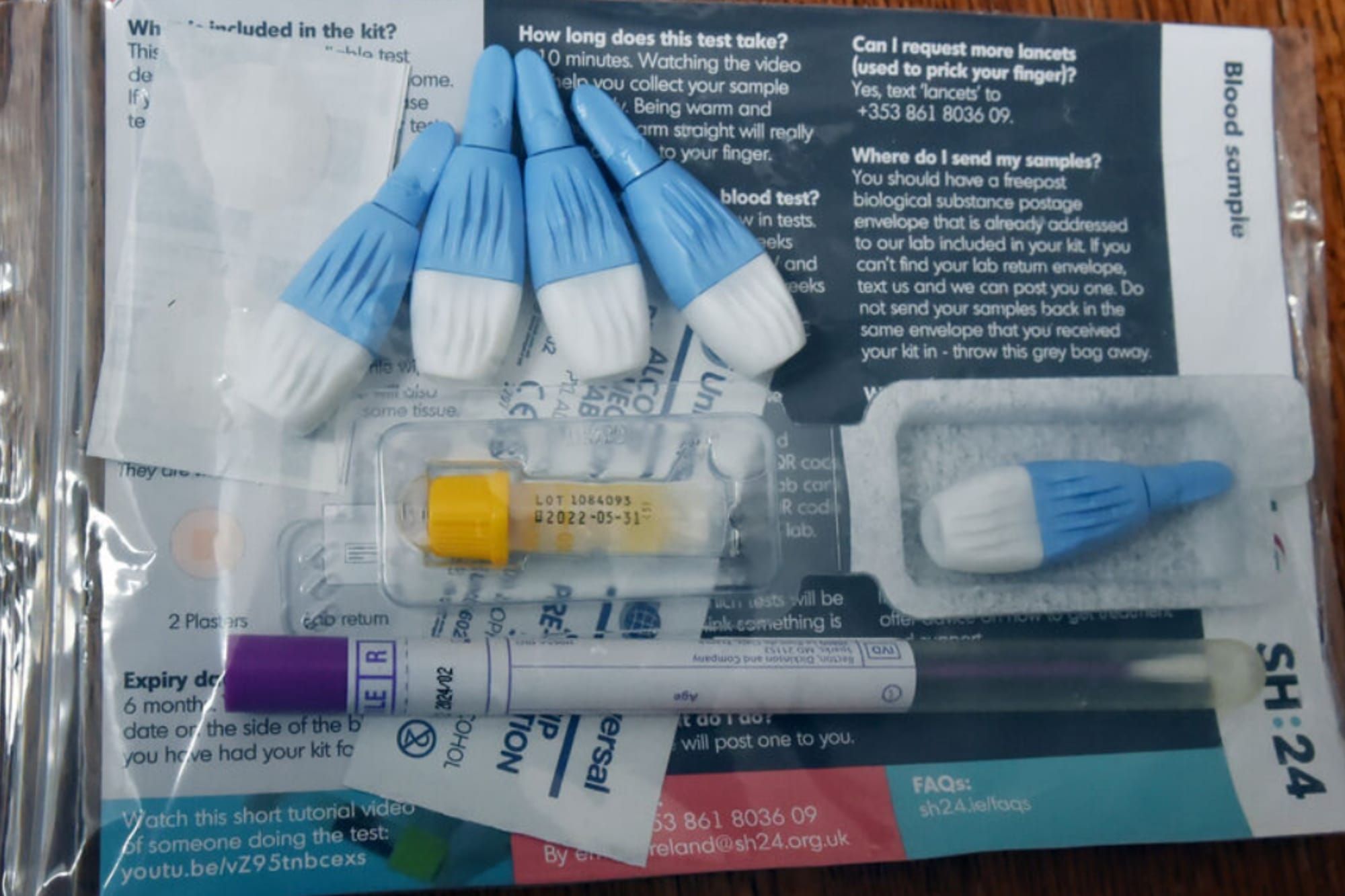
Ireland was singled out as a positive example. Since late 2022, the country has expanded online STI testing, allowing people aged over 17 to order free home self-sampling kits online and return them to a central laboratory. Officials said the programme successfully reached people in rural areas and many who had never previously accessed sexual health services.
“For them it is a success story,” Mårdh said, adding that Ireland is now seeing declines in both chlamydia and gonorrhoea rates.
The ECDC is urging governments to modernise national STI strategies, expand testing access, improve antenatal screening and strengthen surveillance systems before current trends worsen further.