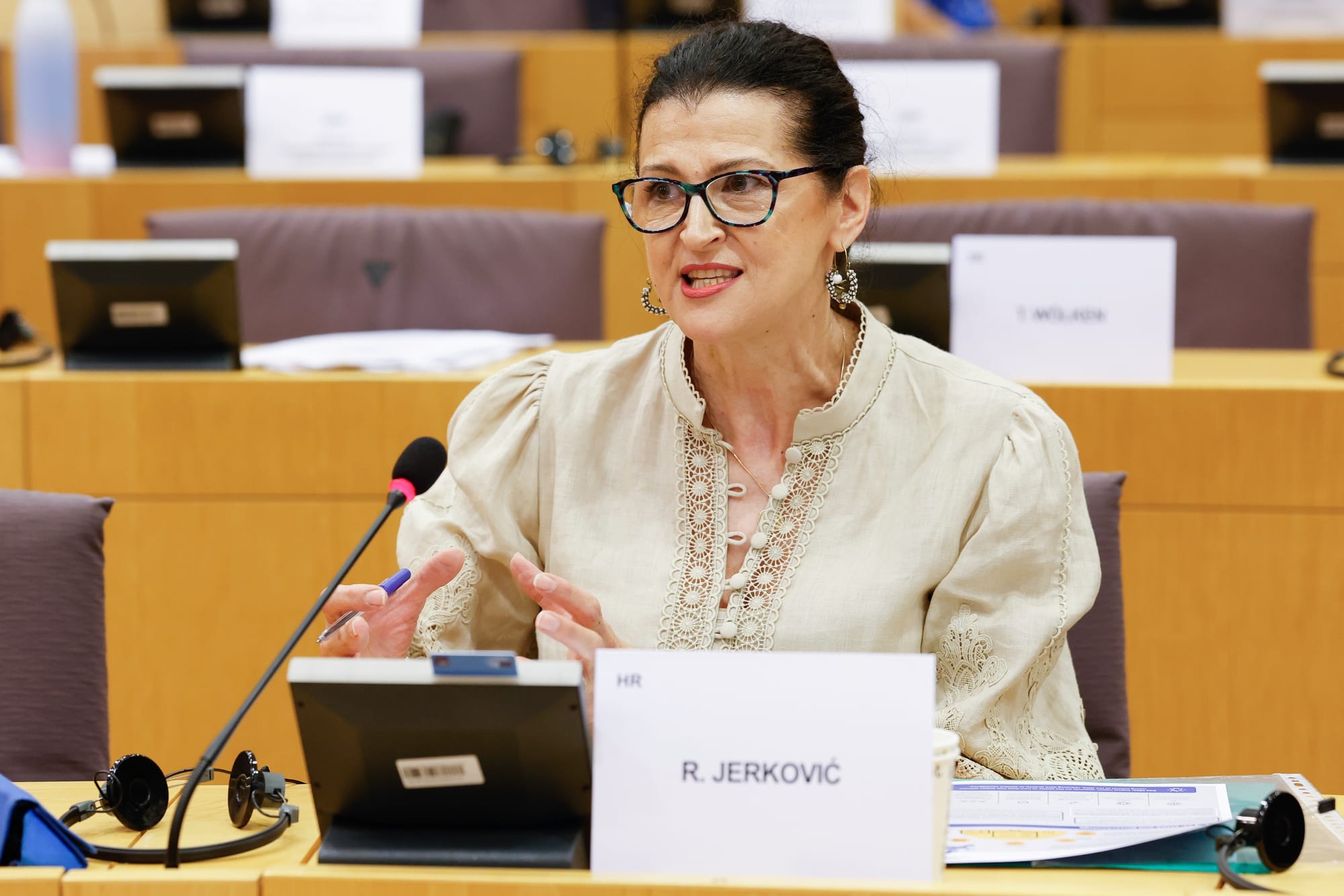
Parliament rallies behind Jerković’s plan to prevent cardiovascular disease
MEPs overwhelmingly backed Romana Jerković’s cardiovascular health report, as Commissioner Várhelyi reaffirmed plans for tougher EU action on tobacco and emerging nicotine products

The European Parliament has overwhelmingly backed S&D MEP Romana Jerković’s report on cardiovascular health, with 545 votes in favour, 47 against and 75 abstentions.
Cardiovascular diseases are the EU’s number one killer, causing around 1.7 million deaths every year, despite an estimated 80% of cardiovascular disease being preventable.
Jerković’s report calls for a shift towards prevention, with stronger EU action on major risk factors including smoking, harmful alcohol consumption and unhealthy diets.
“For too long, Europe has focused on paying for the consequences of cardiovascular disease instead of addressing its causes,” Jerković said. “This report marks a shift towards prevention.”
MEPs want tougher tobacco-control measures, better health information on alcoholic beverages, improved front-of-pack nutrition labeling and a clear EU definition of “ultra-processed foods”.
The report also supports cardiovascular health checks, particularly for people at greater risk, and calls for timely and affordable access to high-quality treatment.
Speaking in a separate debate on hazardous substances, Health Commissioner Olivér Várhelyi reiterated his commitment to tackling tobacco. “Over half of a million people in the EU still die every year as a result of tobacco use,” he said, warning that new nicotine products are spreading among younger generations. “More than half of nicotine pouch users are under 40”.
“Our rules, therefore, need to keep pace with the rapidly changing market,” Várhelyi said. He confirmed the Commission is working on updated tobacco legislation, as promised under the Safe Hearts Plan, including measures addressing “increasingly aggressive digital marketing” that makes nicotine products more attractive to younger audiences.
The massive parliamentary majority sends a clear message on the importance of prevention, early detection and accessible care in tackling Europe’s leading cause of death.
 Catherine Feore