
Long COVID could cost as much as €115 billion per year
An OECD report finds long COVID will continue to strain health systems and cut productivity, urging better care and cross-sector coordination to reduce its lasting economic impact
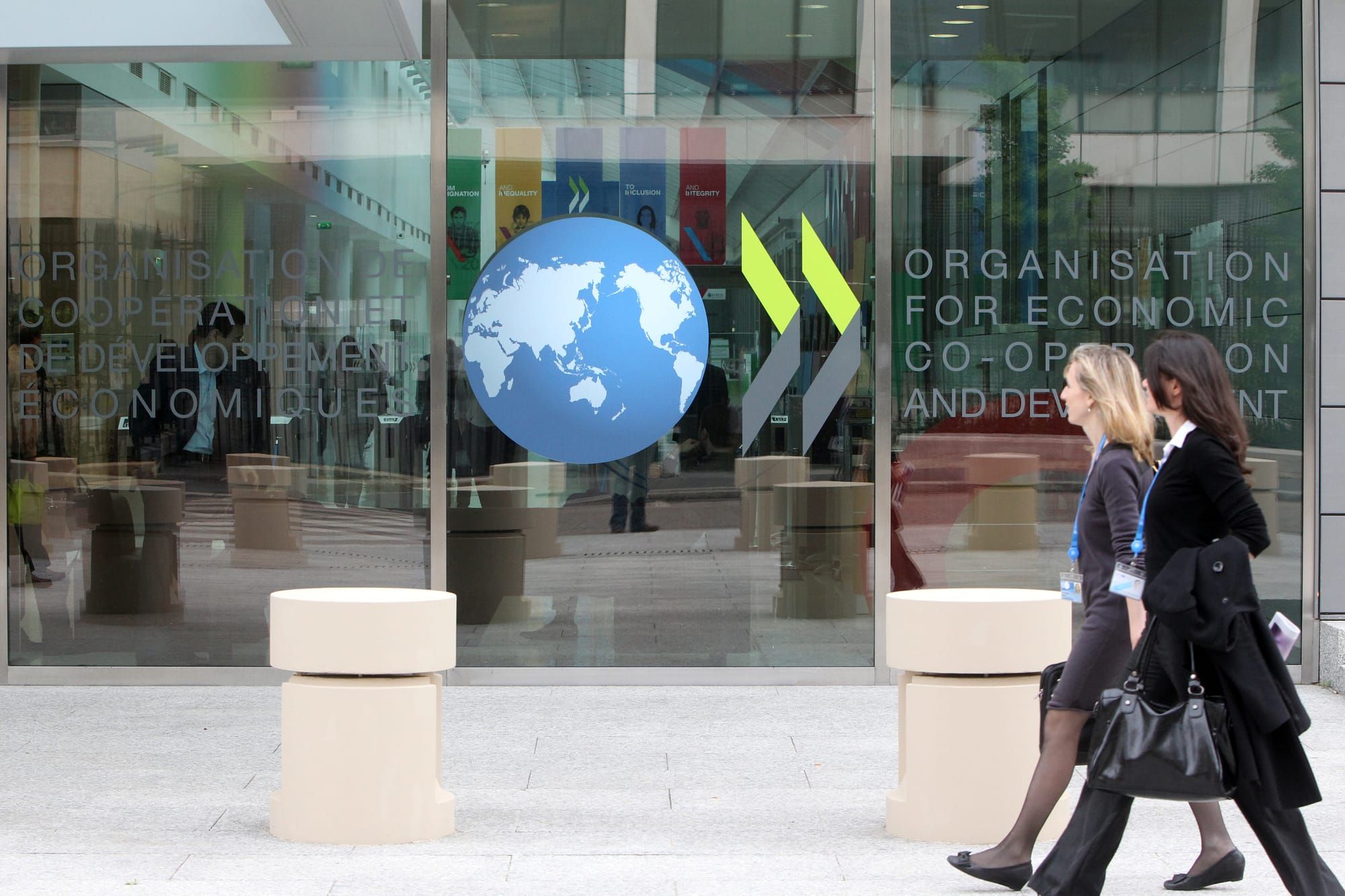
An OECD report, supported by EU funds, highlights that long COVID remains a persistent economic and health burden years after the pandemic.
Although prevalence is expected to stay below 1% between 2025 and 2035, the condition still affects millions across Europe. Direct healthcare costs alone are projected at around €9.4 billion annually.
However, the indirect economic costs are estimated to be far greater. Long COVID, also known as post-acute infection syndrome, is characterised by persistent symptoms such as cognitive dysfunction (“brain fog”) and fatigue, reducing workforce participation through absenteeism, presenteeism, and long-term withdrawal from employment.
Around one in five affected workers experience job disruption, with productivity losses of up to 10% in the first year. Overall, this could translate into GDP losses of 0.1 - 0.2%, or roughly €115 billion per year - comparable to the annual health budgets of countries like the Netherlands or Spain.
The report stresses that better management is essential. Improving awareness, diagnosis, and treatment is seen as a first step. It also requires co-ordinated action across employment, education, and social protection systems to help support recovery, and reintegrate patients into the workforce, ultimately reducing could also reduce long-term economic impact.
With no cure in sight, the report also recommends taking further steps to improve prevention, including vaccination.