
Inside EU Health: Tech transfer; Ebola; Shamonda; heat deaths; GDP post-COVID; UK inquiry
EPO study exposes gaps in patent funding; EMA and AMA call for accelerated Ebola vaccine trials; ECDC reports first human case of Shamonda virus; Climate change linked to 32,600 heat deaths in 2026; which EU regions’ GDP exceeded pre-pandemic levels?; UK COVID Inquiry - Adult Care
EPO study exposes gaps in patent funding
European universities and public research institutions are playing an increasingly important role in pharmaceutical innovation, but a new European Patent Office (EPO) study highlights significant challenges in turning patented discoveries into commercial products.
António Campinos, President of the EPO, stressed the importance of patents in commercializing scientific discoveries: “Patents have an important role to play in that journey. By establishing clear and transferable rights, they facilitate collaboration, licensing and the investment needed to develop early-stage inventions,” he wrote in the report’s foreword.
The findings highlight particular challenges for pharmaceutical inventions, which often require lengthy development and substantial investment before reaching the market.
 Catherine Feore

African and European Regulators call for accelerated Ebola vaccine trials
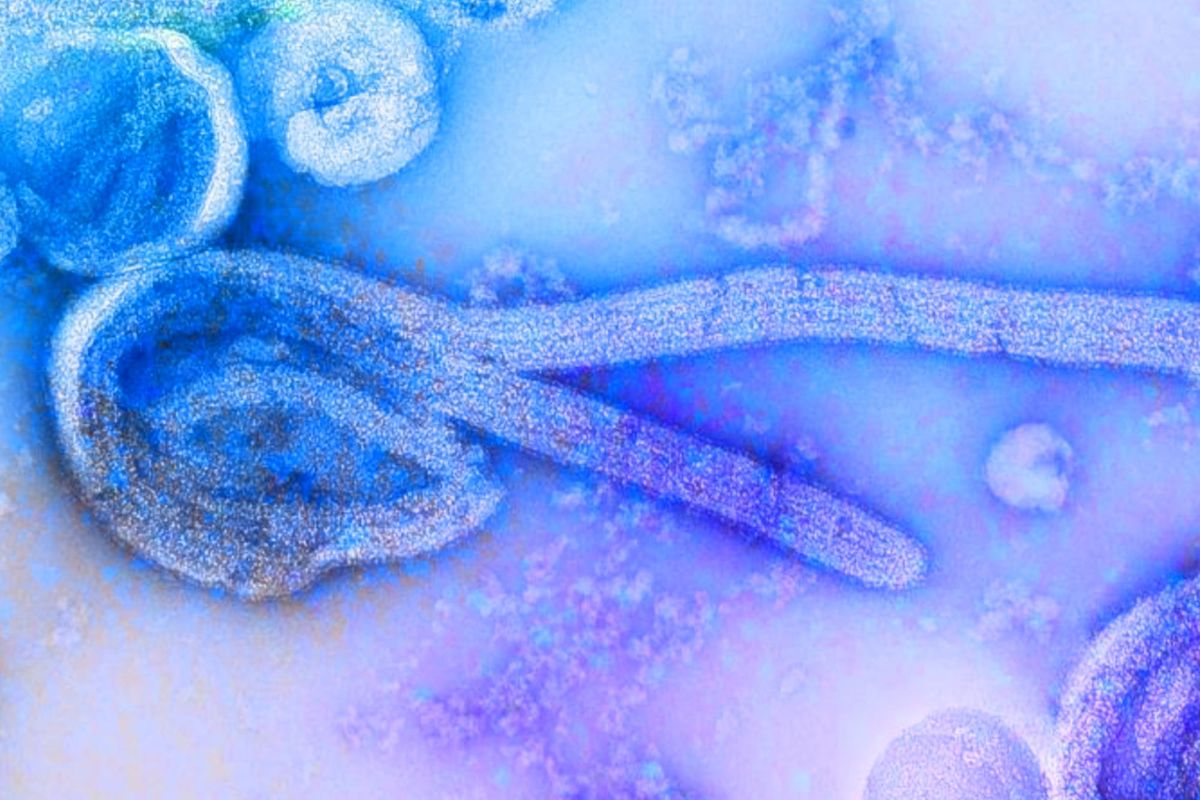
The African Medicines Agency (AMA) and European Medicines Agency (EMA) have issued a joint position paper, in response to the ongoing public health emergency in the Democratic Republic of the Congo (DRC), with cases also reported in Uganda, Kenya and - as of this week - Nigeria.
Médecins Sans Frontières’ (MSF’s) has raised concern that nearly one in four confirmed Ebola cases in North Kivu province is a child. It has warned of the disproportionate impact of the disease on children and calls for more attention to their specific vulnerabilities, in both the medical and research response.
 Catherine Feore
ECDC reports first human case of Shamonda virus
The European Centre for Disease Prevention and Control (ECDC) announced on 22 October that the world's first known human infection with Shamonda virus had been identified in France.
The ECDC said it was closely monitoring the unprecedented case, which involved a patient receiving treatment for a serious underlying illness at Hospices Civils de Lyon.
The ECDC stress that this remains an exceptional case involving a particularly vulnerable patient, with no risk to the general population identified based on current knowledge.
 Catherine Feore
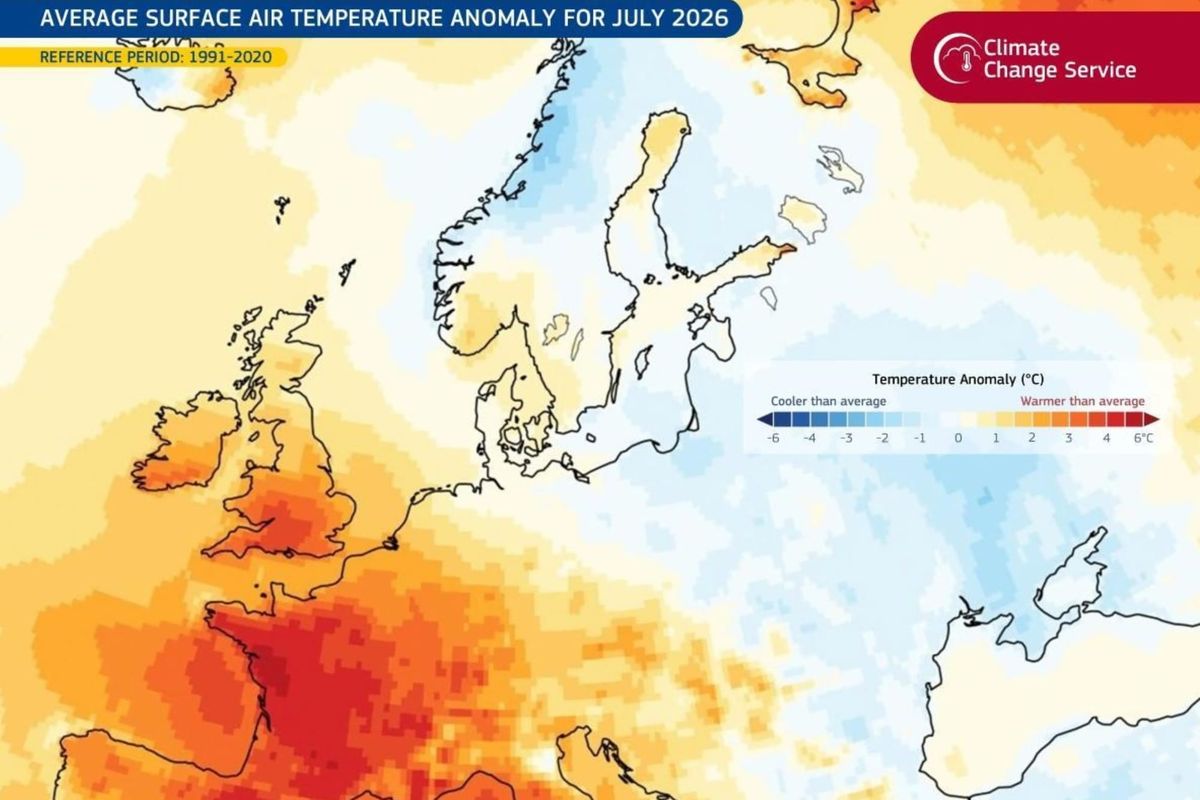
Climate change linked to 32,600 heat deaths across Europe in summer 2026
The Grantham Institute, which researches climate change and the environment, estimates that 50,391 people died from heat-related causes between June and August 2026, with global warming accounting for approximately 65% of those deaths.
The findings suggest that 2026 was Europe's deadliest summer for extreme heat in the cities studied, surpassing previous devastating summers in 2003 and 2022, when researchers estimated around 28,500 and 29,500 deaths, respectively.
 Catherine Feore
Which EU regions’ GDP exceeded pre-pandemic levels?
Between 2019, the last year before COVID-19, and 2024, EU GDP grew by 5.6% in real terms, according to Eurostat. However, economic performance varied considerably across regions.
Of the 244 EU regions analysed, 197 recorded GDP above pre-pandemic levels, while 46 experienced declines and one remained unchanged.
Ireland recorded the strongest growth, with increases of up to 38%, while some regions in Bulgaria, Greece, the Netherlands and Romania experienced double-digit contractions.
Change in GDP, 2019–2024, (% in real terms, by NUTS 2 regions)
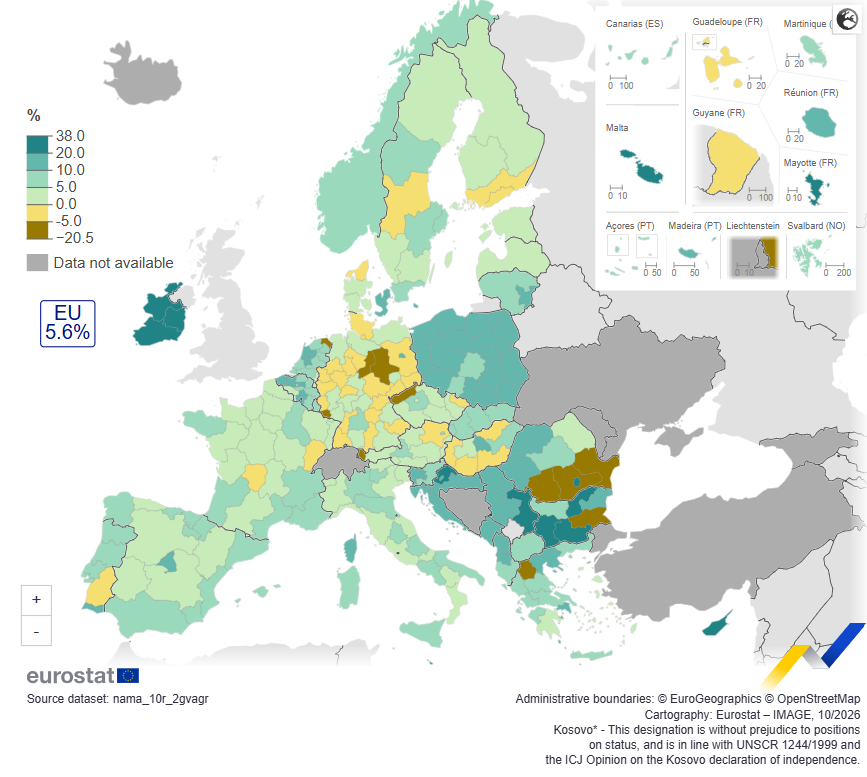
However, the figures do not show how much of this variation was due to COVID-19, as other factors, including economic structures, investment, demographic changes and the economic consequences of Russia’s invasion of Ukraine, may also have influenced regional performance.
UK COVID Inquiry - Adult Care
The Chair of the UK Covid-19 Inquiry, Baroness Hallett, published her sixth report focused on the care sector. She concludes that, in the early stages of the pandemic, the government did not do enough to protect people in care settings.
“At the critical early stages of the pandemic, not enough was done to protect those living and working in care homes. The mantra at the time of ‘protecting the NHS’ sometimes came at the expense of the users and providers of care. The adult social care sector as a whole appeared to be something of an afterthought.”