
Climate change linked to 32,600 heat deaths across Europe in summer 2026
A new study estimates that human-induced global warming contributed to 65% of the 50,391 heat-related deaths recorded in its model of Europe's exceptionally hot summer
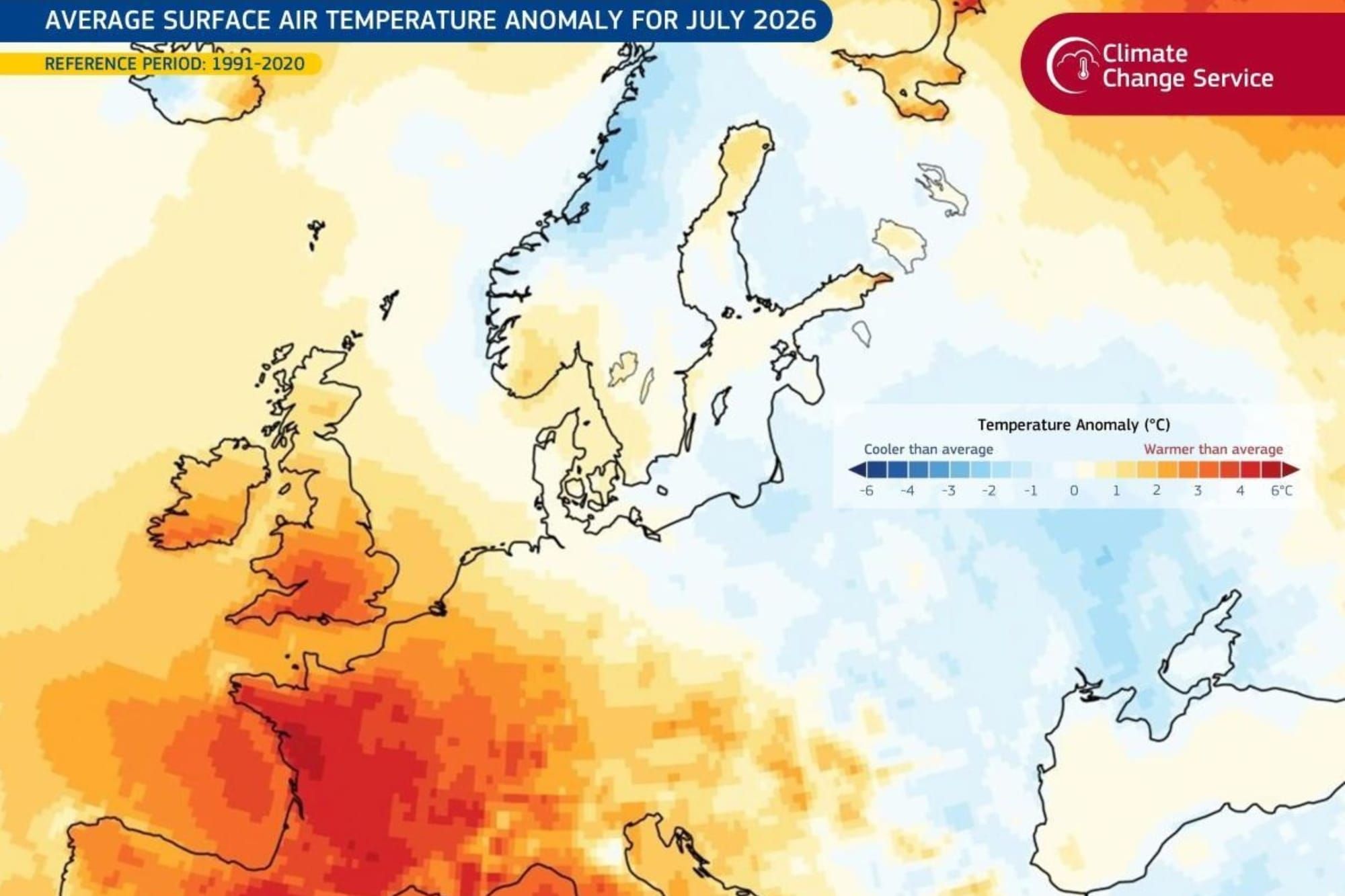
Human-caused climate change contributed to an estimated 32,600 heat-related deaths across 854 European cities during the record-breaking summer of 2026, according to a new study.
The Grantham Institute, which researches climate change and the environment, estimates that 50,391 people died from heat-related causes between June and August 2026, with global warming accounting for approximately 65% of those deaths.
The findings suggest that 2026 was Europe's deadliest summer for extreme heat in the cities studied, surpassing previous devastating summers in 2003 and 2022, when researchers estimated around 28,500 and 29,500 deaths, respectively.
Western Europe experienced its hottest summer on record, while Europe overall recorded its third hottest. Repeated heatwaves swept across the continent from late May through August, exposing millions to dangerously high temperatures.
Southern Europe suffered the highest heat-related mortality rates, particularly in Malta, Italy, Hungary and Croatia. Researchers found that human-induced warming accounted for 69% of heat-related deaths in southern Europe. Older people were particularly vulnerable, with an estimated 22,502 deaths among those aged 85 and above.
The study highlights Europe's rapidly changing climate. The continent is now approximately 2.5°C warmer than it would have been without human activity, primarily fossil fuel combustion.
Researchers used temperature observations and statistical mortality models to compare actual conditions with a hypothetical climate unaffected by human-caused warming.
The estimates cover cities representing nearly 173 million residents, meaning Europe's overall heat-related death toll is likely considerably higher.
The researchers warn that rising temperatures may outpace adaptation measures, putting increasing pressure on public health systems.
Without rapid reductions in greenhouse gas emissions, they conclude, Europe's growing exposure to extreme heat will pose an escalating threat to human health.