
Inside EU Health: Nicotine taxation; Wegovy; Várhelyi defends EU’s approach; future-proof vaccine
Sweden blocks tobacco tax package; Wegovy pill prescribed once every five seconds; Von der Leyen wants faster development of new cancer treatments; Várhelyi says unilateral measures by the US against the EU ‘would not be justified’; a future-proofed vaccine could prevent pandemics before they begin
Sweden blocks tobacco taxation package
As anticipated, Sweden dug in its heels and refused to accept proposed minimum tax rates on nicotine pouches. As a result, the proposal has been withdrawn from the agenda for Friday’s meeting of EU finance ministers in Luxembourg.
Swedish Finance Minister Elisabeth Svantesson welcomed the outcome, saying: “I promised Swedish snus users that we would not let Brussels raise the tax on white snus, and I am keeping that promise. I will always put the interests of Swedes first. Other countries do not get to decide over our snus.”
Svantesson belongs to the Moderaterna Party, a member of the European People’s Party in the European Parliament.
 Catherine Feore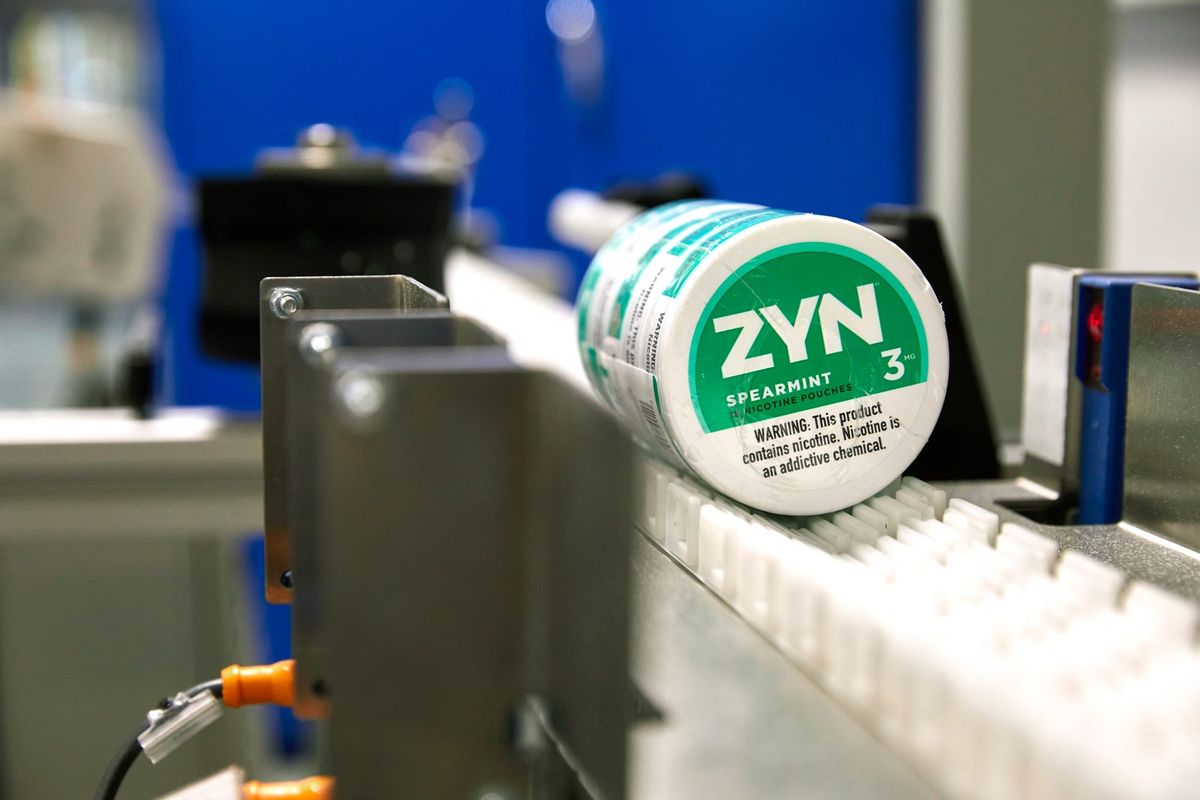
The Irish Presidency must now decide how to proceed with the file. While Dublin has made clear that tobacco policy is a priority, officials are still assessing the situation. One senior diplomat pointed to the “clear difficulty” of advancing taxation measures that require unanimity among member states.
Meanwhile, revision of the Tobacco Products Directive is expected to be delayed by the consultation and impact assessment process. This suggests that a legislative proposal may not emerge until the end of the year, leaving the file to be taken up under the Lithuanian Presidency.
 Catherine Feore
Wegovy pill prescribed once every five seconds
Recently approved by the European Medicines Agency, the Wegovy (semaglutide) 25mg tablets have already passed three million prescriptions in the US, that’s the equivalent of one prescription roughly every five seconds since it came on the US market. Launched on 5 January, Novo Nordisk say that it is one of the strongest launches by volume on record. This has no doubt been helped by Novo slashing its prices.
The company also revealed additional data from clinical trials showing a positive impact on obesity-related conditions, including sleep apnoea, asthma, blood pressure, and certain liver conditions.
Novo Nordisk said it expects to launch Wegovy pill in selected markets outside the United States in the second half of 2026.
 Catherine Feore
Von der Leyen wants faster development of new cancer treatments
This evening, European Commission President Ursula von der Leyen, made time in her busy schedule to address a conference in the European Parliament on ‘Advancing Brain Cancer Research: From policy action to scientific breakthroughs’.
At the event, von der Leyen, raised the need for better prevention and screening, the need to address inequalities in access to care and the ‘Right to be forgotten’ for cancer survivors who have difficulty accessing finance.
European Commission President Ursula von der Leyen said the EU must act faster and more efficiently to develop new treatments, a goal she said was central to the European Biotech Act. The legislation is expected to accelerate and simplify approvals for clinical trials, which she described as a frequent bottleneck in bringing innovative therapies to patients.
Von der Leyen also highlighted the importance of improved data-sharing through the European Health Data Space. She said that better health data can lead to a deeper understanding of diseases and more effective treatments, while maintaining the “highest standards of privacy”.
It’s been some time since the Commission President has intervened on the subject of health and it will be seen as a welcome sign that she is still engaged and supportive of Europe’s Beating Cancer Plan.
 Catherine Feore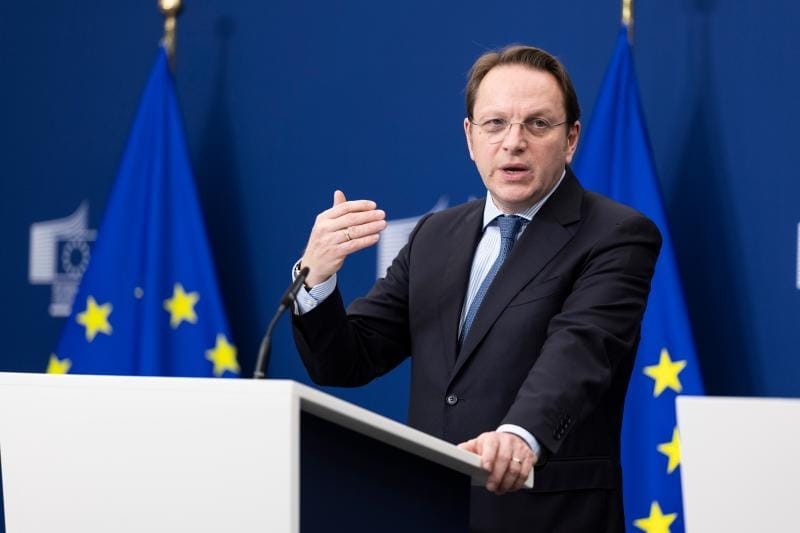
Várhelyi says unilateral measures by the US against the EU ‘would not be justified’
Speaking after an informal video conference of EU health ministers on Friday (5 June), Cypriot Health Minister Neophytos Charalambides and Health Commissioner Oliver Varhelyi pushed back against suggestions that the United States would impose unilateral measures against European countries if Washington deems their response to the Ebola outbreak as insufficient.
Health Commissioner Olivér Várhelyi said the EU was in “daily contact with the CDC” and was also coordinating efforts within the G7 where the US is also present.
"I think that any unilateral measure at this stage would not be justified," Várhelyi said.
 Catherine Feore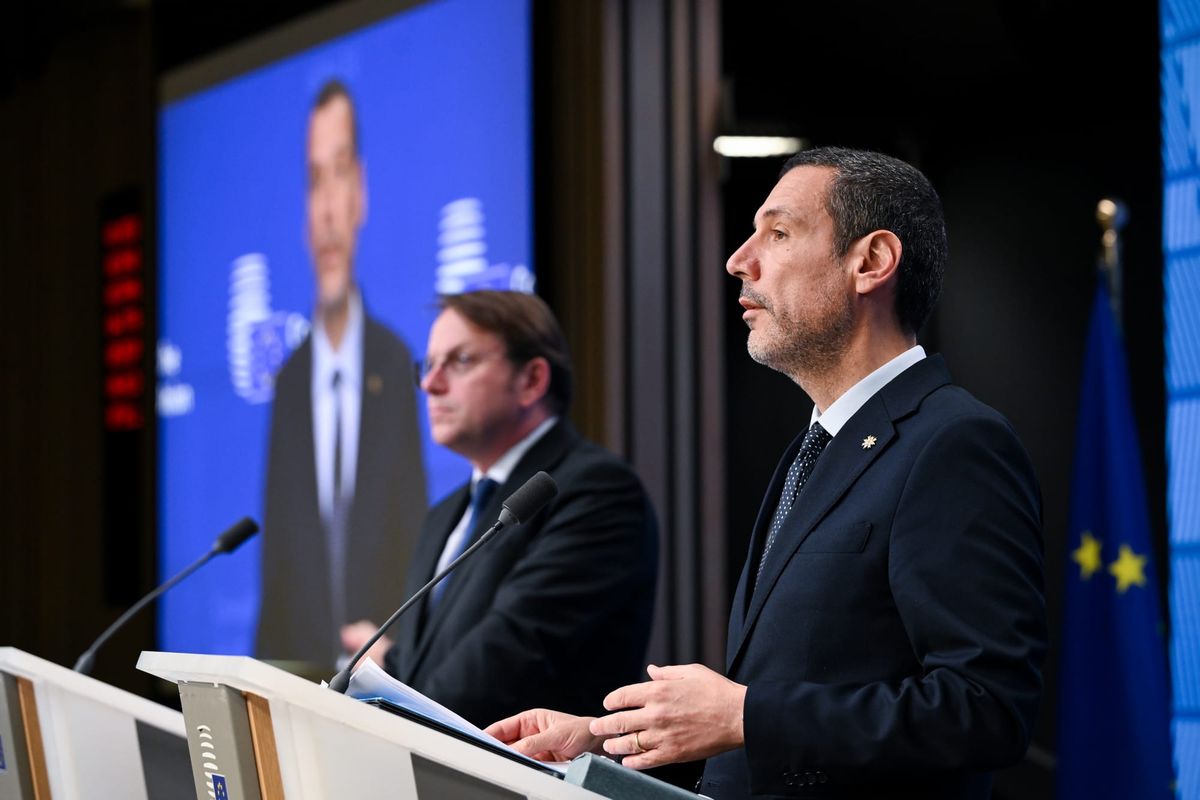
A future-proofed vaccine could prevent pandemics before they begin
A technology which uses an AI-designed ‘super-antigen’ to provide lasting protection against a broad range of viruses as they mutate has been developed by researchers in Cambridge University. It is the first time that a vaccine whose active component was designed entirely through AI has been tested in humans.
The technology which has undergone one limited trial involving 39 healthy volunteers, could reduce the need for frequent reformulation, which is a limitation of current flu and coronavirus vaccines.
“It means we can escape the constant cycle of chasing the virus variants circulating in humans and updating the vaccines to try to catch up, like a dog chasing its tail,” said Professor Jonathan Heeney from the Lab of Viral Zoonotics, University of Cambridge’s Department of Veterinary Medicine.