
Inside EU Health: Ireland’s health priorities; pharmacies and preparedness
Ireland’s Presidency of the EU will link health and competitiveness; PGEU outlines the vital role of community pharmacies in preparedness
Ireland’s Presidency of the EU will link health and competitiveness
Ireland will place health innovation and competitiveness at the centre of its Presidency of the Council of the EU. The Biotech Act and medical devices reform will be its flagship health files.
Launching the programme, Health Minister Jennifer Carroll MacNeill said the Presidency would focus on medicines and innovation, prevention and health equity, and digital health. The overall theme, she said, is “investing in health to improve competitiveness”.
Work on the Biotech Act will be the top priority. They will start with clinical trials, encouraging innovation and reversing Europe’s declining share of research activity. Medical devices reform is also a priority. Officials want to reduce regulatory burdens, prevent products leaving the EU market and ensure “quicker access to innovative products” for patients.
There will be ongoing work on the implementation of the Pharma Package and the European Health Data Space, as well.
Public health ambitions will be more limited, centring on the Commission's expected cardiovascular disease recommendation under the EU Safe Hearts Plan. Women's health and endometriosis will be the focus of a conference at the end of the year.
In addition, agreement on the EU’s long-term budget, 28th regime for companies and Savings and Investment Union, will be critical to investment in the health sector.
 Catherine Feore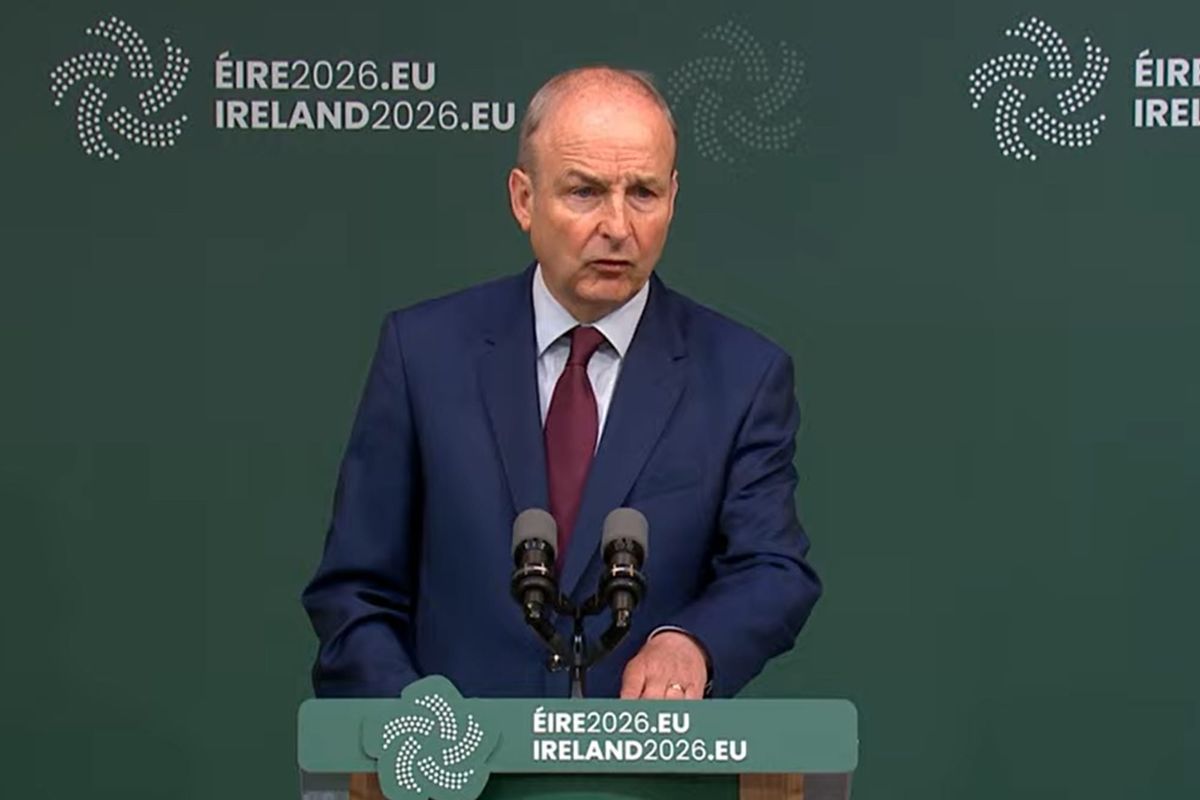
PGEU outlines the vital role of community pharmacies in preparedness
The Pharmaceutical Group of the European Union (PGEU) has highlighted the increasingly important role of community pharmacies in strengthening Europe’s preparedness and response to health emergencies.
Drawing on lessons learned from recent crises, including pandemics, medicine shortages, cyber and energy disruptions, natural disasters and war-driven population displacement, PGEU says that community pharmacists must be fully integrated into emergency planning and governance. The paper provide several examples of where pharmacies have stepped in and stepped up.
Pharmacies, they argue, are often the first point of contact for patients when other health services are under pressure. They are a trusted source of information and advice in uncertain times.
PGEU calls on member states to establish stronger links among community pharmacies, GP practices, hospital services (including hospital pharmacists), long-term care facilities, and emergency services, including shared protocols for crisis scenarios, such as infectious disease outbreaks, mass vaccination and testing campaigns, medicine shortages and cyber incidents.