
Ireland’s Presidency of the EU will link health and competitiveness
Regulatory reform will headline Ireland's EU Presidency agenda, with the Biotech Act and medical devices overhaul leading negotiations
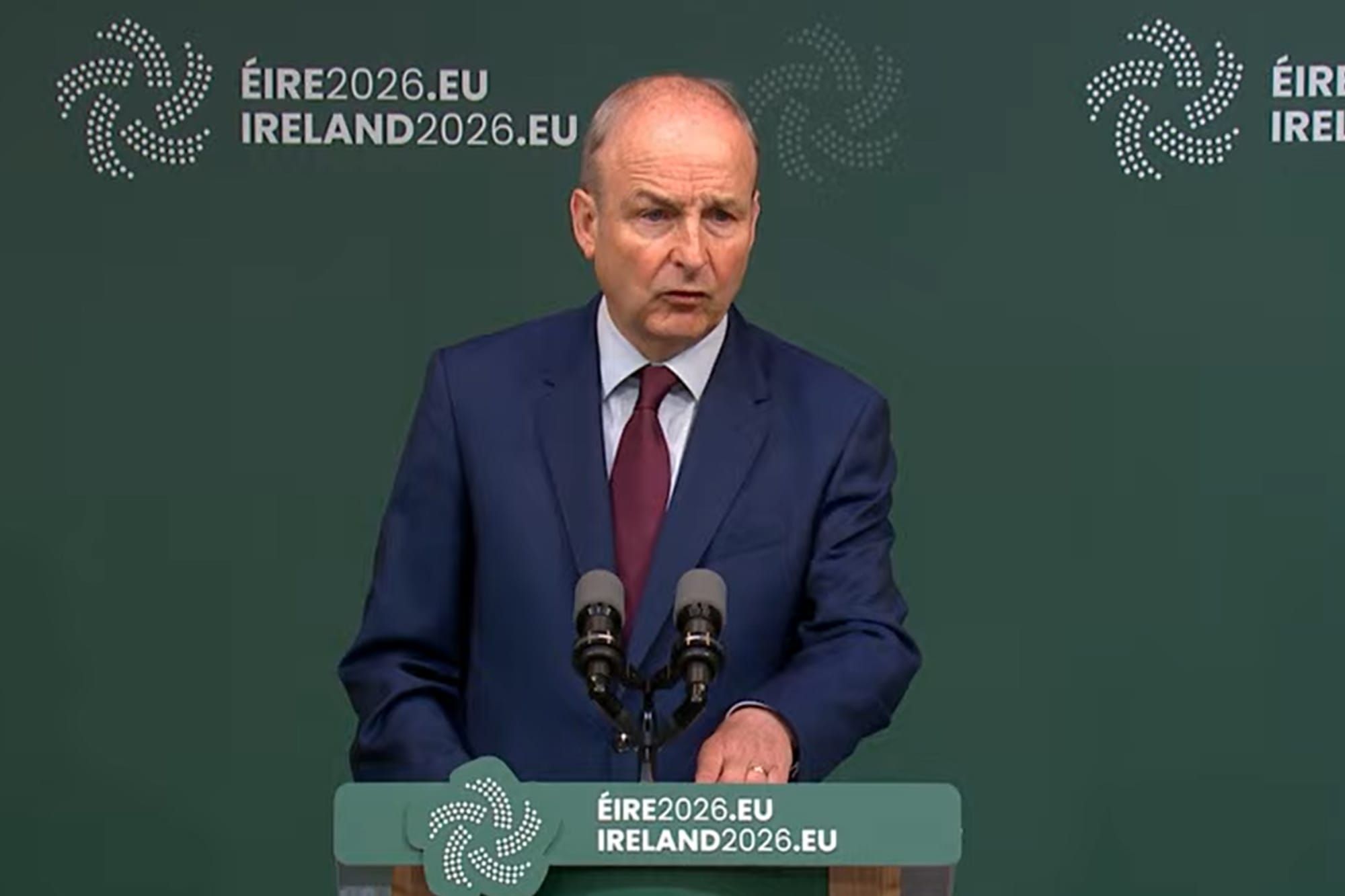
Ireland will place health innovation, competitiveness and patient access at the centre of its agenda when it assumes the Presidency of the Council of the European Union on 1 July, with a strong focus on the forthcoming Biotech Act, reform of medical devices legislation and more limited public health initiatives.
“The theme of the Presidency health programme is investing in health to improve competitiveness,” said Minister for Health, Jennifer Carroll MacNeill TD, she laid out three priorities:
“Firstly, medicines, innovation and sustainable access, swiftly progressing the legislation on the Biotech Act and the revisions to the Medical Devices and In Vitro Diagnostics Regulations. Secondly, prevention, innovation and health equity, promoting evidence-based prevention strategies, including work related to the EU Safe Hearts Plan. Thirdly, digital health working on the implementation of the European Health Data Space is an important opportunity to improve care, strengthen research and support innovation.”
Vital Signs was told that the minister was very focused on legislation and identified the Biotech Act and medical devices reform as the flagship files, noting that both support the EU’s broader competitiveness agenda while improving patient access to innovation.
Ireland intends to drive negotiations on both the Biotech Act’s directive and regulation. The source said the biotechnology package is “very much about simplification” and reversing Europe’s declining share of clinical trials. “We need to reverse that, really, and we need to look at how we're doing clinical trials in Europe, make the system more efficient, shorten timelines [and] encourage innovation,”. The diplomat stressed the urgency of the file, arguing that biotechnology is “one of those sectors that Europe can do really well at” if barriers to innovation and commercialisation are removed.
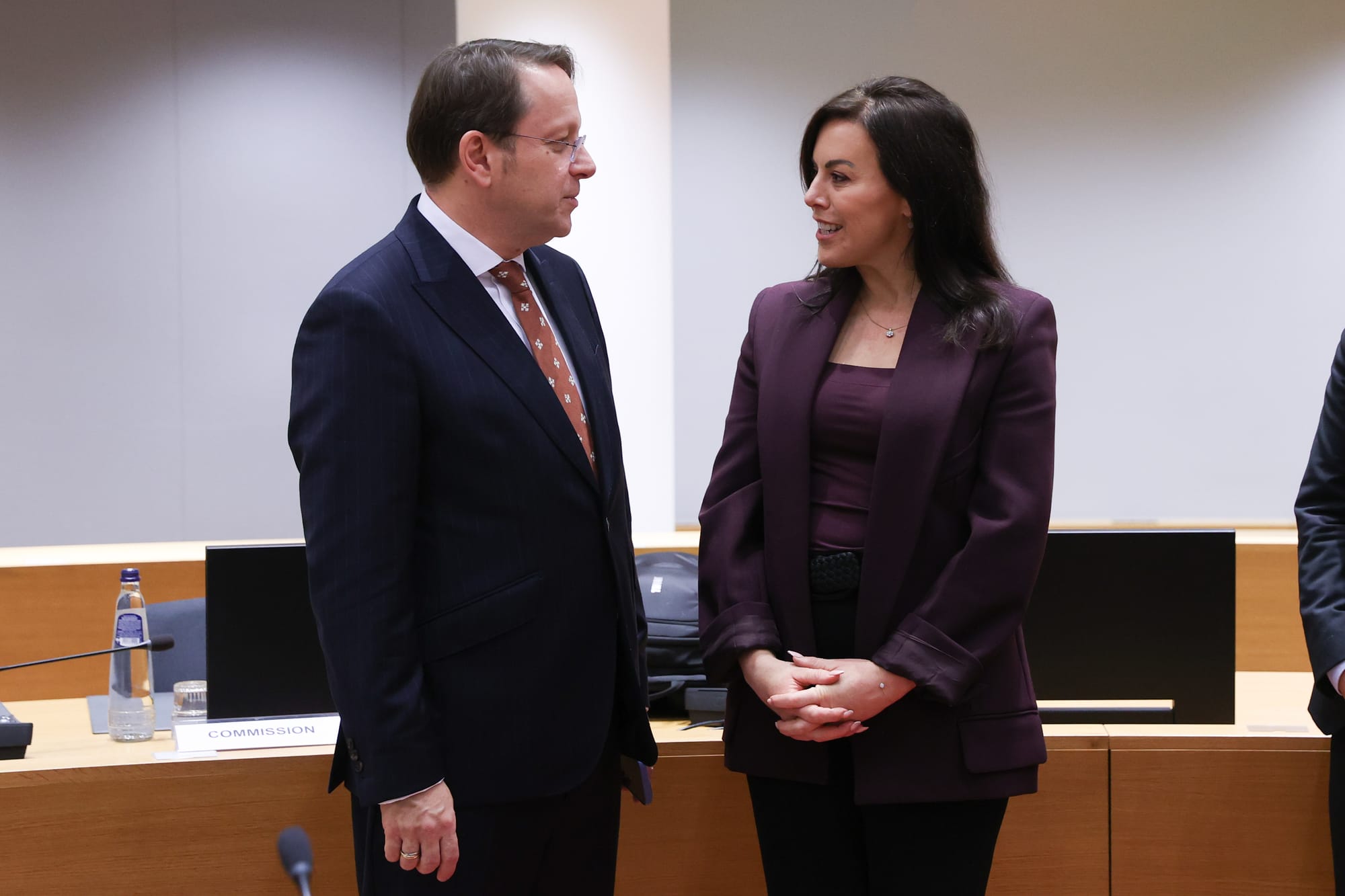
Medical devices will be another major priority. A diplomat said that the current regulatory framework has many strengths but has also created obstacles for manufacturers, resulting in product launches shifting to other markets. “We don't want the EU to lose access to any more products due to the current system,” adding that the reforms should give patients “quicker access to innovative products” while reducing unnecessary administrative burdens.
On public health, officials expect work on the Commission’s forthcoming Council Recommendation on cardiovascular disease, part of the EU’s Safe Hearts Plan. Ireland hopes to advance the recommendation swiftly if it is published in time. Officials acknowledged that limited Council working-party capacity means the cardiovascular proposal will be the principal public health outcome of their Presidency.
Women’s health will also feature prominently. “Among the many conferences we will host, I want to highlight the dedicated endometriosis conference planned for December 2026,” said the minister. “This will be a focused forum discussing research and innovation cooperation, patient experiences and advocacy, and policy approaches to improve support for those living with endometriosis.”
At the launch in Dublin today, Tánaiste and Minister for Finance, Simon Harris, said that if you’re a business or creating jobs, there will be a very impactful competitiveness agenda. He pointed to the Savings and Investment Union and its role in improving access to finance for small and medium-sized companies. He also said the so-called “28 regime” could be a “revolution” for SMEs, allowing them to be considered established “from day one” in all EU states, rather than remaining national SMEs that have to navigate establishment in 26 other countries.
Ireland has laid out an intensive negotiation schedule and aims to hit the ground running. In past Presidencies, Ireland has been admired for its negotiating skills and ability to reach agreements on difficult files. One of the toughest questions will be reaching an agreement on the future long-term budget - the multiannual financial framework. The European Parliament has set ambitious plans to strengthen and ring-fence health funding; the next few months will determine whether they succeed.