
Inside EU Health: ECDC; workforce; Ebola update; European semester
ECDC chief warns MEPs more health threats require more resources; health sector hails EU vote on workforce crisis as ‘major step forward’ WHO has only 35% of the funds it needs for its Ebola response; European semester recommendations target stronger and more resilient health systems
ECDC chief warns MEPs more health threats require more resources
ECDC Director Pamela Rendi-Wagner warned MEPs that Europe faces growing health threats from mosquito-borne diseases, rising sexually transmitted infections (STIs) and antimicrobial resistance (AMR).
Presenting the ECDC's 2025 Annual Activity Report, she said Europe recorded “longer and more intense transmission seasons” for diseases such as West Nile virus and chikungunya, while some STIs have doubled or tripled over the past decade. ECDC modelling predicts up to 80,000 new HIV infections if current trends continue.
Rendi-Wagner described AMR as “one of the most serious public health threats we're facing in Europe”, noting that more than four million hospital-acquired infections occur annually.
Asked about a possible expansion of the ECDC's mandate to cover non-communicable diseases, she said the scientific links between communicable and non-communicable diseases are becoming increasingly important. She stressed that any new responsibilities would require additional resources: “More tasks mean we need more staff and more expertise.”]
 Catherine Feore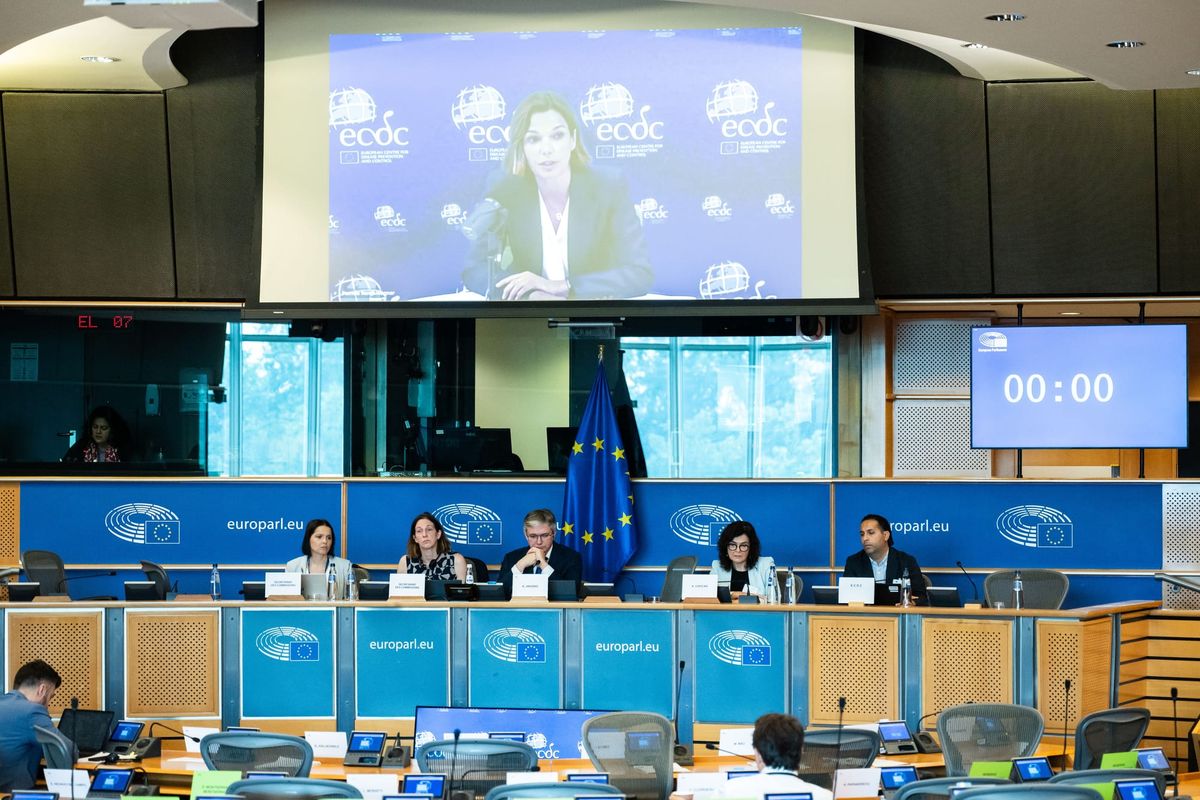
Health sector hails EU vote on workforce crisis as ‘major step forward’
The European Parliament's Employment and Social Affairs (EMPL) and Public Health (SANT) committees have adopted a report calling for urgent action to address Europe's healthcare workforce crisis.
The report warns that the EU could face a shortage of more than four million health and care workers by 2030 and urges the European Commission and member states to develop a comprehensive workforce strategy.
Healthcare organisations welcomed the vote ahead of a final plenary vote in July.
Paul De Raeve, Secretary General of the European Federation of Nurses Associations (EFN), said the report provides "concrete actions" to tackle the "enormous shortage of nurses" across the EU.
CPME President Dr Ole Johan Bakke said the vote showed "strong political recognition" of the need for a European Health Workforce Strategy.
Jan Willem Goudriaan, General Secretary of EPSU, said the report demonstrated that Parliament is "listening" to healthcare workers' concerns.
PGEU President Mikołaj Konstanty welcomed the move towards "a coherent EU health workforce strategy" that includes community pharmacy as part of the solution.
 Catherine Feore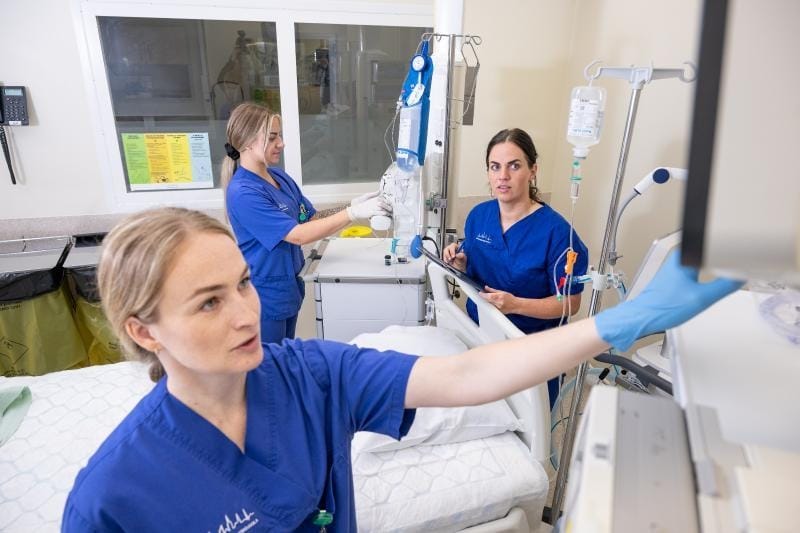
WHO has only 35% of the funds it needs for its Ebola response
In their latest update, the World Health Organization (WHO) has warned that the Ebola outbreak in the Democratic Republic of Congo (DRC) remains a serious regional threat, with 344 confirmed cases and 60 deaths. A further 116 suspected cases are under investigation, while neighbouring Uganda has recorded 15 confirmed cases and one death.
Following a visit to the outbreak epicentre, WHO Director-General Dr Tedros Adhanom Ghebreyesus said the response was gaining momentum but was still hampered by delayed detection and community mistrust: “The outbreak had a big head start, and we're still behind, but under the leadership of the government of DRC, we're catching up.”
The response is expected to cost $115 million over the next three months, but only 35% of the required funding has been secured so far.
WHO is prioritizing new diagnostic facilities planned in several high-risk locations. Contact tracing remains a concern, with only 45% of identified contacts currently being monitored. “To get ahead of the outbreak, we need to get that number up to above 90%,” Tedros said.
The DRC now has three Ebola treatment centres with a capacity for 80 patients and around six additional treatment units, with more on the way. WHO is working closely with neighbouring countries to strengthen surveillance and prevent further cross-border spread, with a meeting planned for tomorrow.
ECDC: Speaking to MEPs on the public health committee this morning, European Centre for Disease Prevention and Control (ECDC) Director Pamela Rendi-Wagner said the agency's response has focused on three priorities: supporting efforts to control the outbreak; strengthening preparedness across EU member states to ensure rapid detection and containment of any imported cases; and ensuring effective exit screening at international airports in affected countries.
She said ECDC is increasing its presence in the region through EU Health Task Force deployments to support local authorities and assess screening measures. The agency has also issued guidance to the aviation sector to enhance passenger safety and reduce the risk of Ebola transmission during international travel.
EMA: The European Medicines Agency's (EMA) Emergency Task Force is working with the African Medicines Agency (AMA), national regulatory authorities and experts. The collaboration is focused on clinical trial designs and assessing candidate vaccines and treatments. It marks the first public health emergency in which EMA and the newly operational AMA have worked together, drawing on experience from previous Ebola outbreaks.
European semester recommendations target stronger and more resilient health systems
The European Commission’s 2026 European Semester Spring Package places health and long-term care firmly within the EU’s broader agenda to strengthen competitiveness, resilience and social cohesion.
Country-specific recommendations (CSRs) urge member states to improve the sustainability and quality of public spending, including in healthcare and long-term care, but there are few specific requirements. For many countries the Commission notes poor access to healthcare, for example, for rural communities or for disadvantaged groups, such as Roma.
The Commission noted steady progress in implementing previous health related recommendations, highlighting advances in healthcare digitalisation, expanded social protection coverage and investment in long-term care services. The Communication says that the Recovery and Resilience Facility (RRF) has helped strengthen primary healthcare, disease prevention, and care provision for ageing populations in countries including Slovakia, Lithuania, Austria and Estonia.