
Inside EU Health: Co-ordinated pricing and reimbursement; Biotech Act SPC; COVID-19 contracts
Beneluxa Initiative calls for pricing and reimbursement coordination; EFPIA argues that the Biotech Act 12-month extension to SPC is too narrow ; AG recommends dismissing Commission appeal on COVID-19 contract access

Beneluxa Initiative calls for pricing and reimbursement co-ordination
In a statement, the Beneluxa Initiative, which includes the Benelux countries of the Netherlands, Belgium and Luxembourg, as well as Ireland and Austria, has called for a unified approach to access and affordability of pharmaceutical products. They argue that “turbulent geopolitical times” for the pharmaceutical system - an oblique reference to the Trump administration’s ‘Most-Favored Nation’ pricing - require a ‘fundamental review’.
The statement says there is an opportunity for “deeper cooperation to further strengthen and support the way in which pricing and reimbursement (P&R) is carried out in Europe”. While “respecting national competencies” they propose quicker uptake of EU Health Technology Assessment outcomes and streamlining of P&R procedures on a mutually agreed collaborative basis. This, the statement claims, could “ultimately lead” to a more unified European approach and lead to collaborative approaches to paying for new treatments, which could be facilitated by the Critical Medicines Act.
The Beneluxa Initiative intend to lead by example and have offered to share the lessons learned from their experience.
 Catherine Feore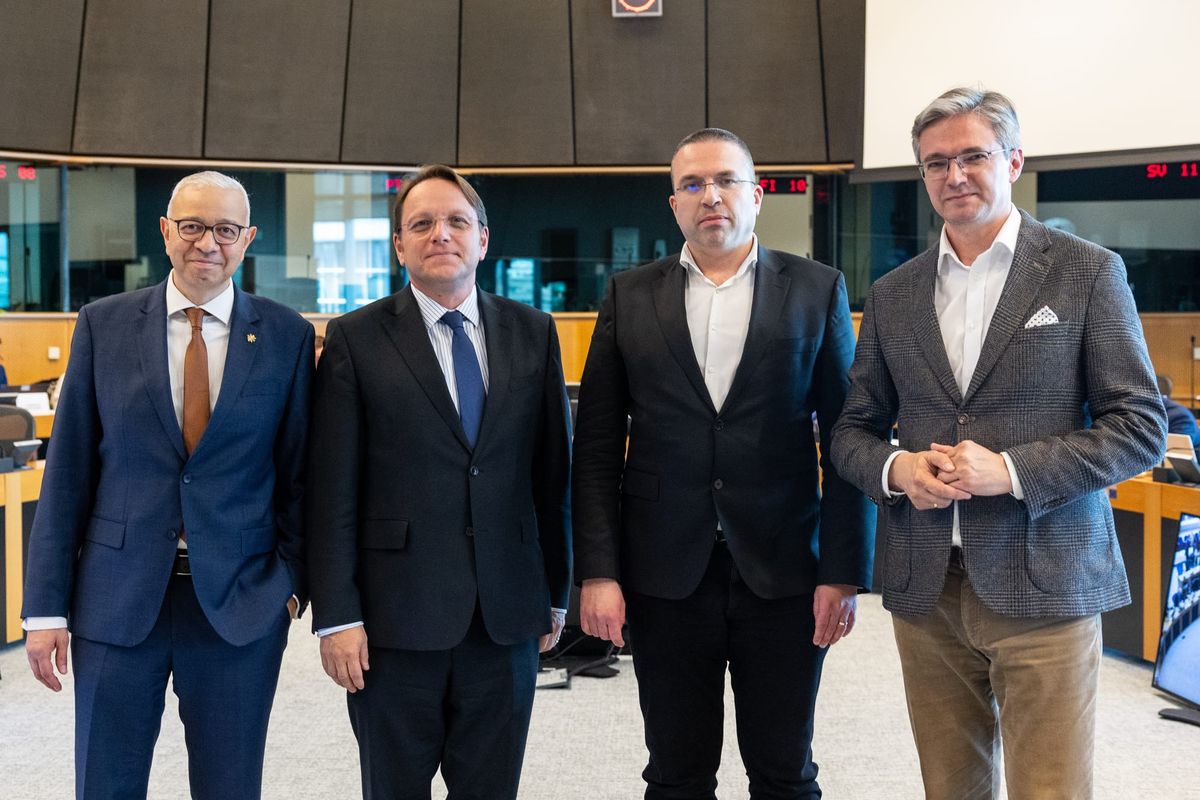
EFPIA argues that the Biotech Act 12-month extension to SPC is too narrow
EFPIA, which represents branded pharmaceuticals, argues that the proposed extension of the EU’s Supplementary Protection Certificate (SPC) under the Biotech Act could significantly strengthen Europe’s attractiveness for pharmaceutical research and development, but only if its scope and eligibility criteria are broadened:
“By broadening the scope and eligibility criteria, the EU could see over €45 billion in inward investment and up to 24,500 new clinical trial places over 15 years,” says EFPIA.
The Commission’s more circumscribed approach would see around three to five medicines being granted an additional SPC extension per year. The EFPIA proposal envisages 18 new medicines benefiting. The current proposal is already facing some opposition within parliament and member states have only started to assess its impact.
The study, carried out by Copenhagen Economics at EFPIA’s request, suggests that the current proposal would have a negligible impact, increasing healthcare spending by 0.003% and pharmaceutical spending by 0.02%.
 Catherine Feore
EFPIA supports the Biotech Act’s broader reforms, including faster clinical trial processes and a more predictable regulatory framework, but argues that a more ambitious SPC extension is needed if Europe is to compete with the US and China. EFPIA Director General Nathalie Moll warns that the narrow approach represents a “lost opportunity”.
Advocate General proposes Court rejects Commission’s appeal on access to COVID-19 contracts
The Advocate General (AG) Athanasios Rantos has agreed with the finding of the EU’s General Court (17 July 2024) that the European Commission had failed to provide sufficiently broad access to advance purchase agreements for COVID-19 vaccines, purchased via the Emergency Support Instrument.
The Commission had granted only partial access to advanced purchase agreements negotiated with pharmaceutical companies, withholding the identities of members of the joint vaccine negotiation team and contractual clauses relating to the indemnification for potential harms. It argued that disclosure would compromise personal privacy and commercial interests.
The AG Opinion supports the decision made in the MEPs and other litigants' favor, finding that “transparency of the process of negotiating agreements for Covid-19 vaccines constitutes a specific purpose in the public interest within the meaning of EU law” and dismissing the Commission’s claims that disclosure of contractual clauses relating to indemnification would undermine commercial interests.
While the Advocate General’s Opinion is not binding, judges rarely deviate from their findings. Formal judgment will be handed down at a later date.