
European Parliament backs EU health workforce crisis plan
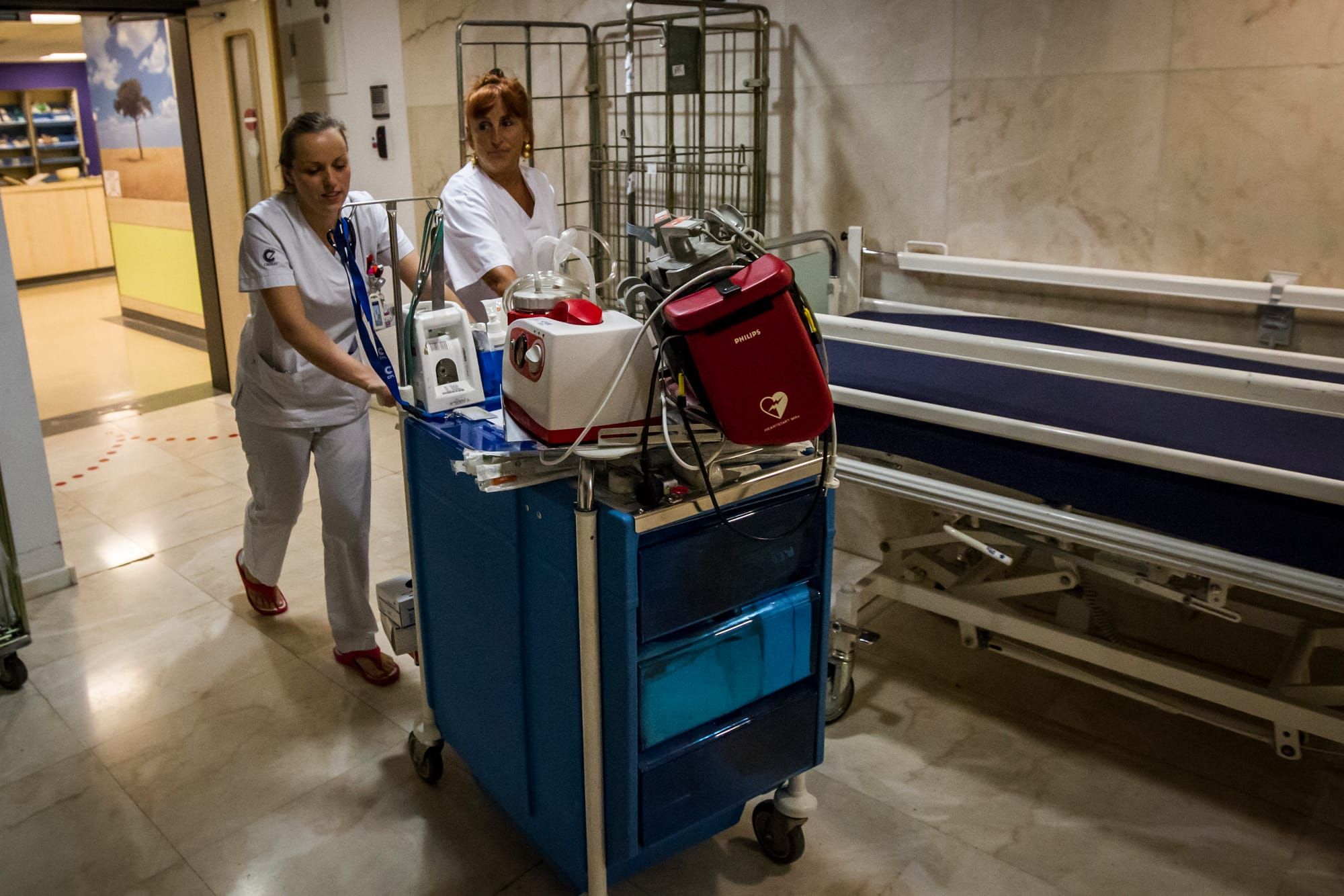
The European Parliament has backed calls for an EU-wide strategy to tackle worsening shortages of healthcare professionals, including an ambition to increase the health workforce by one million, as doctors, nurses, pharmacists and dentists urged the European Commission to turn the recommendations into concrete action.
The own-initiative report, led by MEPs Loucas Fourlas (EPP, Cyprus) and Ruggero Razza (ECR, Italy), warns that shortages of doctors, nurses, carers and other professionals are becoming structural, driven by ageing populations, rising demand for care and persistent burnout.
One million more needed
The report calls for better recruitment and retention, working conditions and mental-health support, action against “medical deserts”, easier professional mobility, more training and sustainable financing. It aims to increase the EU health workforce by at least one million professionals over the next seven years.
Estelle Ceulemans (S&D, Belgium) said Europe was already one million healthcare workers short, warning that the situation had deteriorated since the COVID-19 pandemic.
“Today, six years after COVID, we forgot the applause, their commitment and sacrifice, but the situation in the healthcare sector is even more dire. We are one million workers short,” Ceulemans said. “This is a ticking time bomb because if we do nothing, we won't be able to overcome a new pandemic or deal with an ageing population.”
She said Parliament was therefore calling for a plan for healthcare professionals “to increase their number by one million by 2034”, alongside better working conditions and greater investment in sustainable health systems. Workforce shortages, she added, create a “vicious circle” affecting both staff wellbeing and patients.
MEP Vlad Vasile-Voiculescu also highlighted the risks of addressing shortages primarily through intra-EU mobility. More than 25,000 Romanian doctors and 50,000 nurses are working elsewhere in the EU, he said.
“Moving a nurse from Bucharest to Berlin does not create an additional nurse for Europe,” Vasile-Voiculescu said. “We need to train more people and offer an integration path.”
Health Commissioner Olivér Várhelyi told MEPs that action was already underway. EU health and safety legislation covers healthcare workers, while doctors, nurses, midwives, dentists and pharmacists benefit from automatic recognition of qualifications across the EU. The Commission’s new Skills Portability Initiative should make recognition faster and simpler for other healthcare professionals.
“But I agree with you: rules are not enough,” Várhelyi said, pointing to EU4Health-funded initiatives including the HEROES joint action on workforce planning and measures helping national authorities recruit and retain nurses, particularly in underserved areas.
Four organisations representing more than 5.5 million healthcare professionals welcomed Parliament’s vote. The Standing Committee of European Doctors (CPME), European Federation of Nurses Associations (EFN), Pharmaceutical Group of the European Union (PGEU) and Council of European Dentists (CED) said the report addresses their priorities of “Recruitment, Retention and Resilience”.
They welcomed calls for safer working conditions, fair remuneration, high education and training standards, safe staffing levels and sustainable funding, but said Parliament’s report must now “move beyond its diagnostic phase”.
The organisations called on the Commission and Council to translate the recommendations into a concrete strategy of policy and legislative measures, warning that fragmented and ad hoc measures have proved insufficient to tackle the scale of the workforce crisis.