
European health groups warn against weakening German rules on nicotine pouches
European health organisations are urging Germany to maintain its ban on nicotine pouches, arguing it could undermine efforts to develop coherent EU-wide nicotine regulations
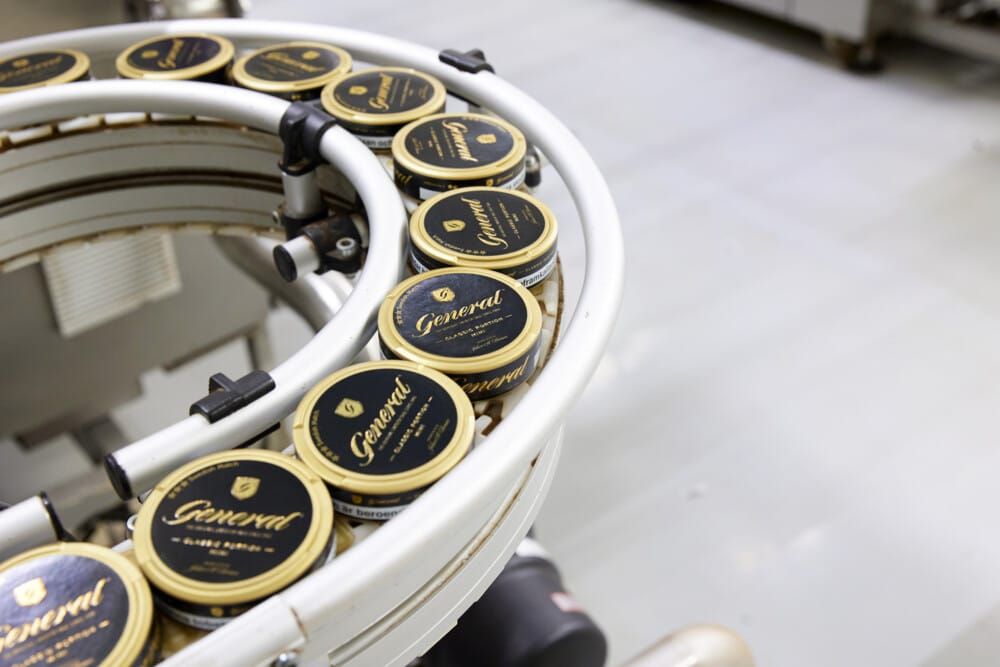
The Smoke Free Partnership is backing the German Medical Association’s call for the German government to maintain restrictions preventing the sale of nicotine pouches, amid growing political debate over possible legalisation.
Nicotine pouches are not legally sold in Germany, but pressure is increasing to create a regulated market. CDU parliamentarian Carsten Brodesser has described the products as a potential source of government revenue and called for a parliamentary decision, with discussions expected to begin on 25 September*.
“We cannot afford to trade public health for revenue and repeat the mistakes of the past by allowing commercial interests to shape the environment in which a new generation becomes addicted to nicotine,” said Erin Roman, Director of the Smoke Free Partnership.
The organisations point to concerns about nicotine addiction, particularly among young people, as well as the cardiovascular effects of nicotine and limited long-term population-level evidence on nicotine pouches.
Germany’s debate comes as the EU is still discussing the Tobacco Taxation Directive, which could also proposes taxation on pouches. European countries take differing approaches. France, the Netherlands, Belgium and Luxembourg have banned nicotine pouches or introduced limits restricting their sale. Sweden, the home of snus, has fiercely opposed the inclusion of pouches in the proposal.
Health groups warn that a German decision to legalise the products could widen regulatory differences and could influence policy elsewhere in Europe.
The issue comes as the European Commission has closed its consultation on the revision of the EU Tobacco Products Directive. Health organisations say Germany should await a coordinated European approach and maintain its current restrictions while EU discussions on the regulation of emerging nicotine products continue.
*According to an interview in POLITICO.