
European Commission unveils five roadmaps to strengthen emergency preparedness
The European Commission has published five roadmaps to strengthen the European Union’s preparedness for future health emergencies by improving the availability of and access to critical medical countermeasures
Published on 23 November by the Health Emergency Preparedness and Response Authority (HERA), the roadmaps identify potential gaps in the EU’s ability to respond to different health threats and outline actions to address them.
They focus on essential medical countermeasures, including diagnostic tests, vaccines, treatments and personal protective equipment. Proposed actions span the entire supply chain, from research and development to manufacturing, procurement, stockpiling and deployment.
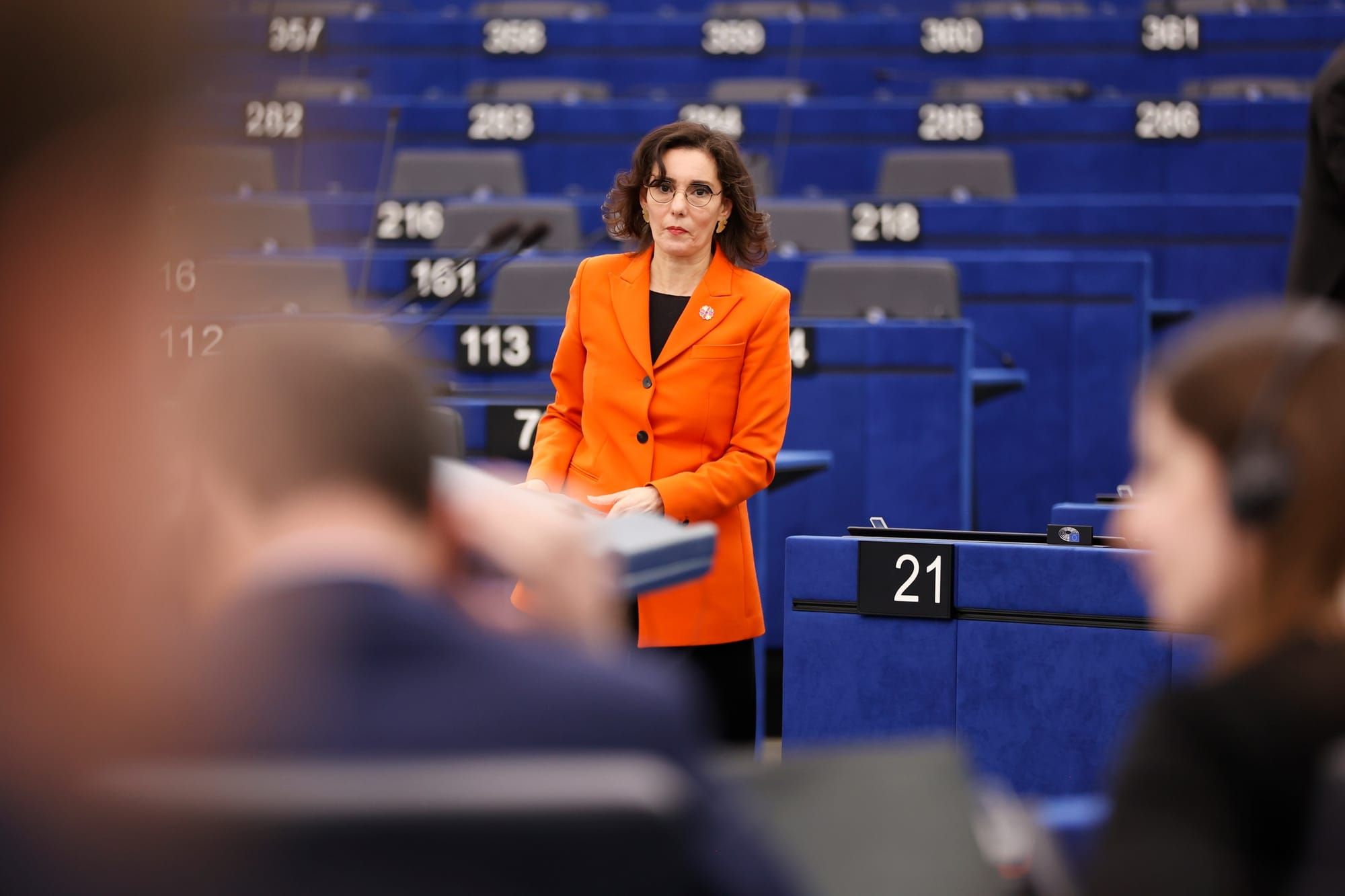
Commissioner Hadja Lahbib said: “When the next health crisis hits, every day will count. We cannot wait until hospitals are overwhelmed to discover we are short of vaccines, tests or treatments. We need to know what is missing and act now. These roadmaps help us plan ahead and give industry a clear signal of where to invest and ramp up production. Being ready takes all of us working together, long before the first alarm sounds.”
The roadmaps represent a key deliverable under the EU Strategy on Medical Countermeasures and address five priority health threats, each selected to support preparedness for a broader category of emergencies with similar characteristics.
Pandemic influenza serves as a model for respiratory threats, while Ebola and other filoviruses represent diseases transmitted through direct contact. Dengue provides a reference point for mosquito-borne diseases, and carbapenem-resistant Enterobacterales are used to address threats associated with antimicrobial-resistant bacteria.
The fifth roadmap focuses on nerve agents as a prototype for chemical, biological, radiological and nuclear (CBRN) threats.
By identifying shortcomings in existing preparedness capacities and signaling future investment needs to industry, the Commission aims to encourage greater coordination and ensure that essential medical supplies can be made available more rapidly when health emergencies arise.