
Global measles deaths hit record low, but Europe still has vaccination gaps
Romania, Bosnia and Herzegovina and Serbia face low immunization rates as the WHO warns that decades of progress towards measles elimination are at risk
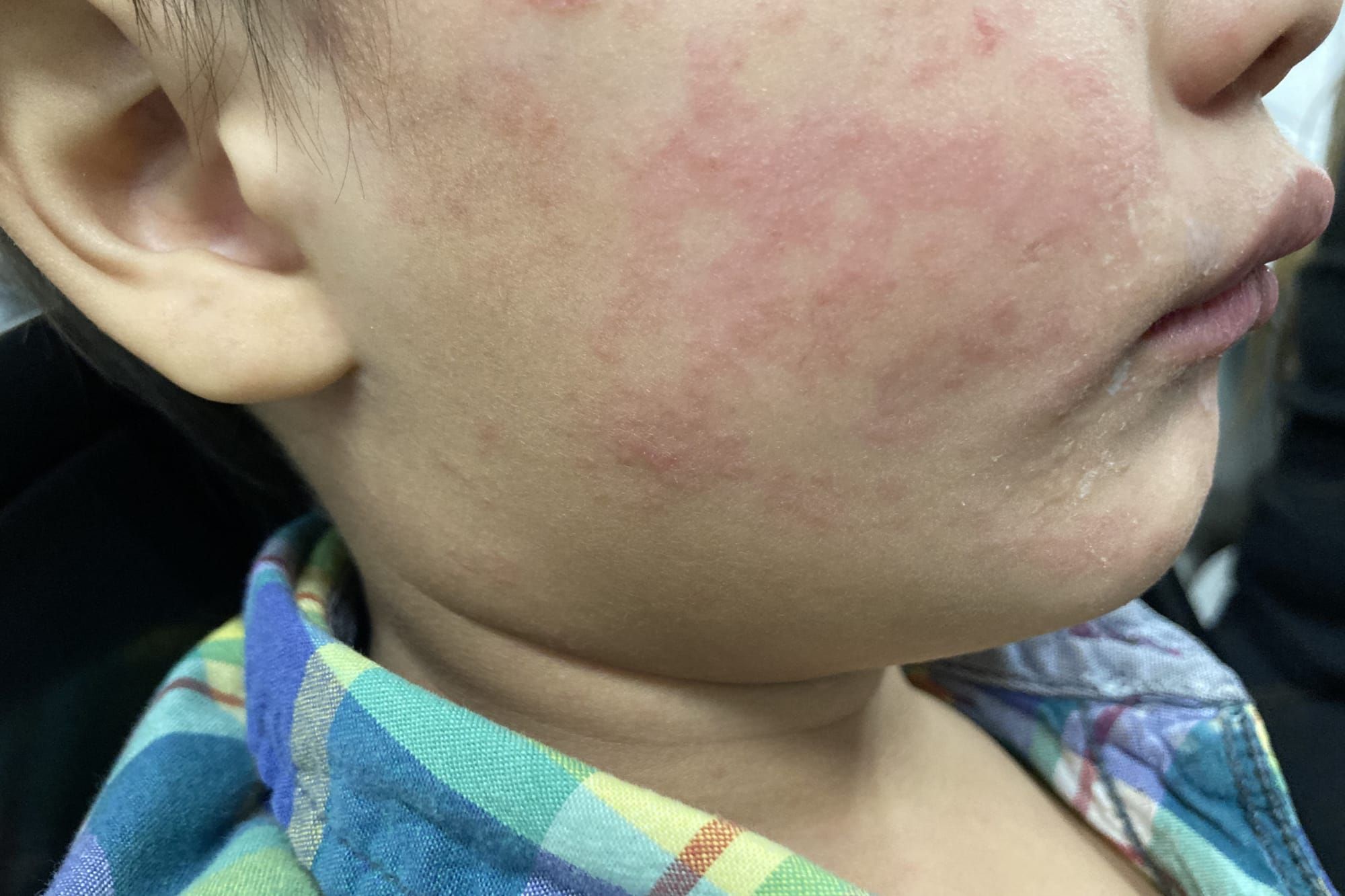
Global measles deaths have fallen to a historic low, but declining vaccination rates in parts of Europe, particularly Romania, Bosnia and Herzegovina and Serbia, threaten decades of progress against the highly infectious disease.
An estimated 72,000 people died from measles worldwide in 2025, representing a 91% reduction since 2000, according to a report released by the World Health Organization (WHO). Measles vaccination has saved more than 60 million lives over the past 25 years.
However, nearly 10 million people were infected in 2025, while more than 29 million children remained unvaccinated or under-immunized.
“Measles deaths have never been lower, thanks to the extraordinary life-saving power of vaccines,” said WHO Director-General Tedros Adhanom Ghebreyesus. “But measles does not forgive complacency.”
Europe’s widening immunization gaps
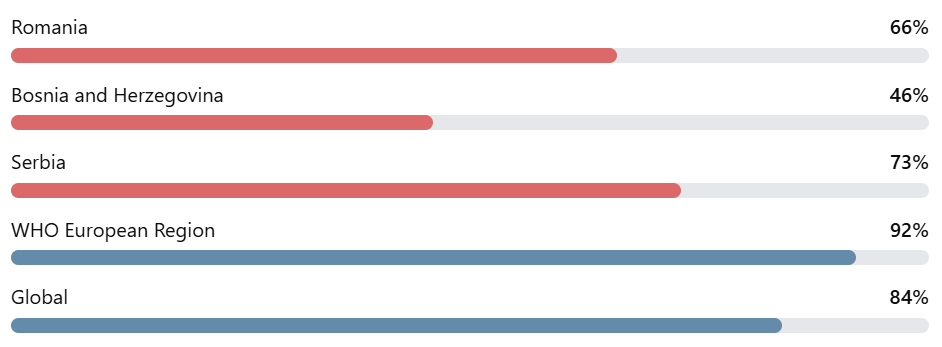
Despite first-dose vaccination coverage of 92% across the WHO European Region, significant disparities persist between countries.
Romania recorded the lowest first-dose measles vaccination coverage in the European Union in 2025, at just 66%, according to WHO and UNICEF estimates. Coverage remained unchanged from 2024 but declined substantially from 90% in 2019 and 98% in 2000.
Outside the EU, Bosnia and Herzegovina recorded a particularly alarming decline, with first-dose coverage falling from 69% in 2024 to just 46% in 2025, leaving more than half of the target population without a first dose.
Serbia also experienced a significant deterioration, with coverage dropping from 84% in 2024 to 73% in 2025, compared with 87% before the COVID-19 pandemic in 2019.
All three countries remain well below the recommended threshold of 95% coverage with two vaccine doses needed to prevent measles outbreaks.
Elimination under threat
Globally, 84% of children received their first measles vaccine dose in 2025, while only 77% received a second dose.
Some 59 countries experienced large or disruptive outbreaks, including 11 that had previously been declared measles-free.
Even in countries with well-developed healthcare systems, measles can cause severe complications, including pneumonia, blindness and encephalitis, potentially resulting in permanent brain damage or death.
WHO is calling for stronger routine immunization programmes, improved disease surveillance, sustained political commitment and greater efforts to build public trust in vaccination.
“Countries that had eliminated it are now losing that status,” Tedros warned. “Elimination is not a finish line. It must be defended, with two doses of vaccine for every child, everywhere.”