Commission defends Urban Wastewater Directive against EPP-ECR challenge
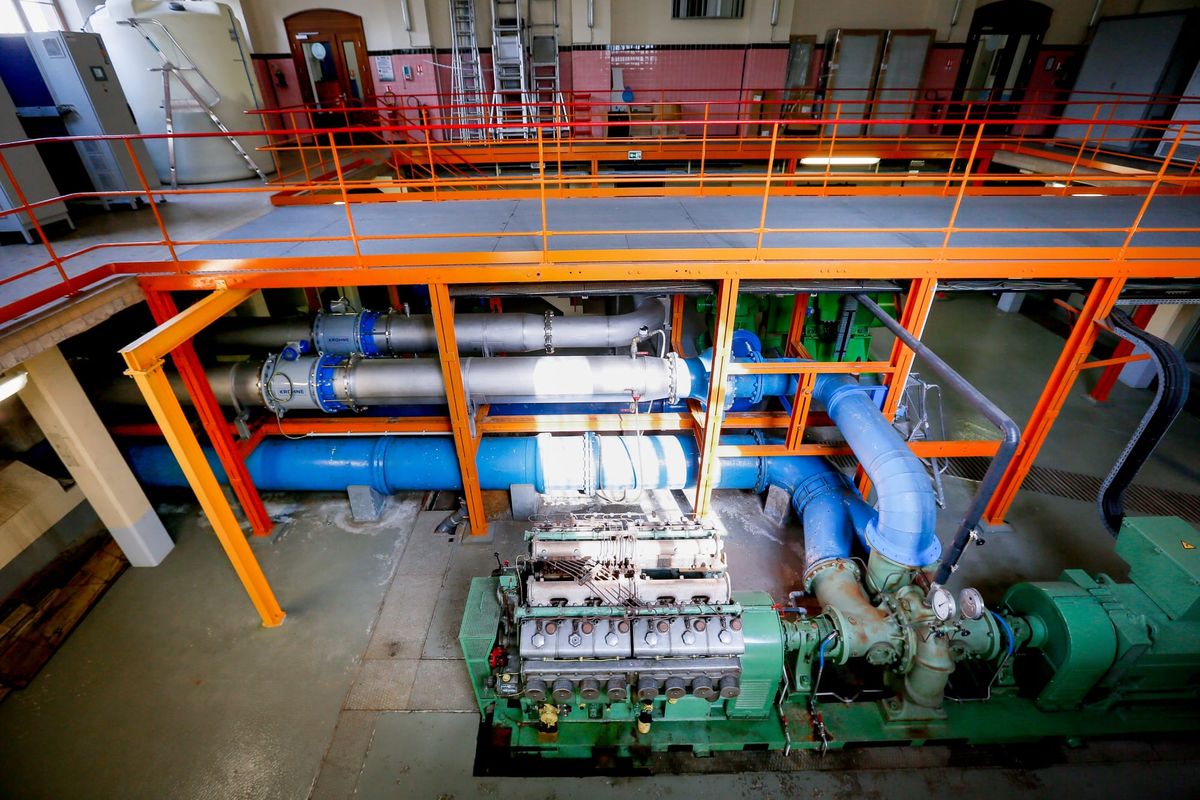
The European Parliament has adopted an EPP-backed resolution calling for a reassessment of the Urban Wastewater Treatment Directive (UWWTD)
EPP lawmakers are calling for a delay in implementation and a review of the UWWTD they say could increase costs for medicine manufacturers, particularly producers of low-margin generic medicines, potentially affecting supply and affordability.
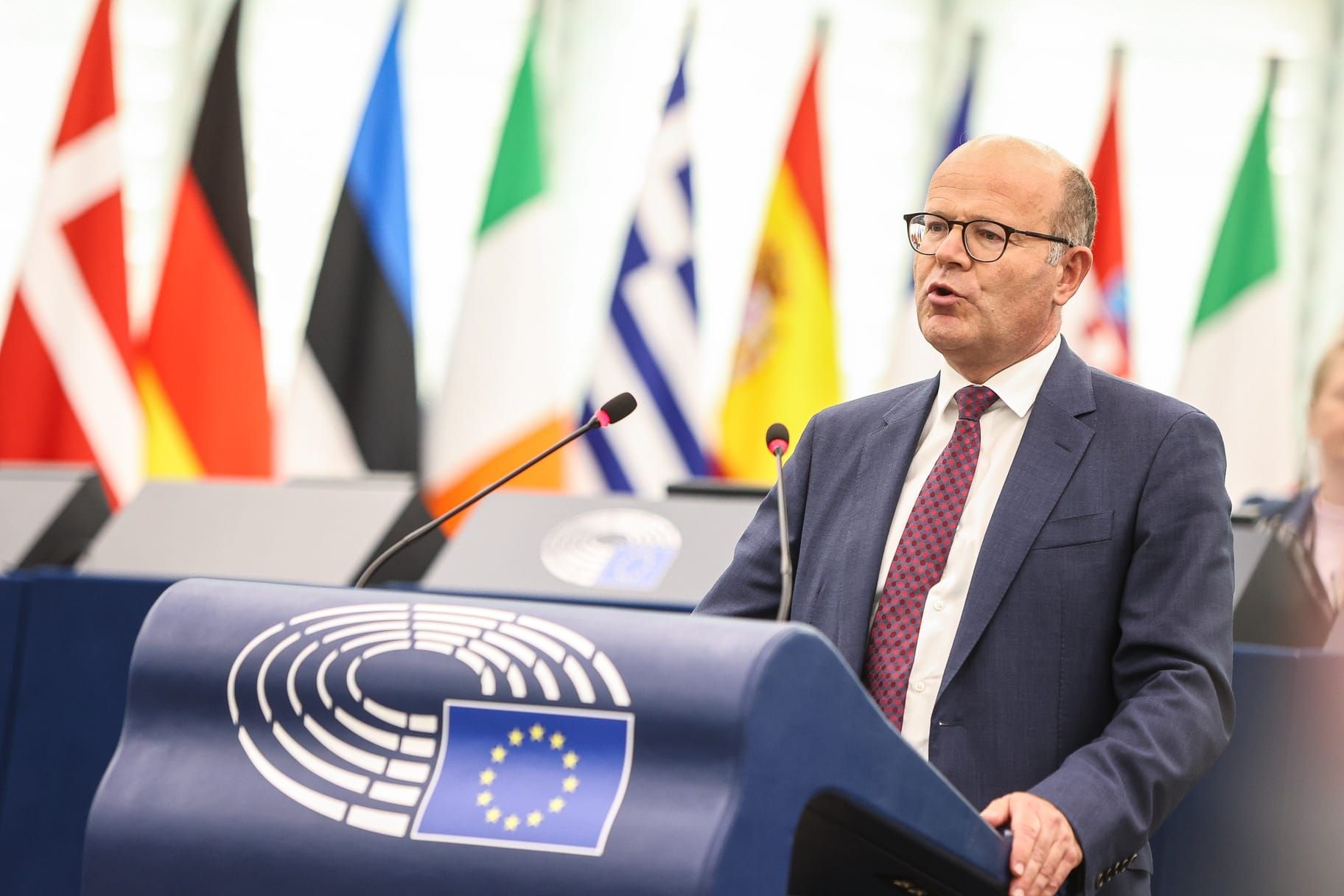
Opening the debate, EPP MEP Oliver Schenk (Germany) insisted that environmental objectives should not come at the expense of healthcare security: "Europe needs clean water. But Europe also needs a safe and affordable supply of medicines. These two things must not be played off against each other, they must go hand in hand."
The resolution raises concerns about the directive's extended producer responsibility (EPR) scheme, which requires pharmaceutical and cosmetic companies to cover at least 80% of the costs of removing micropollutants from urban wastewater.
Environment Commissioner Jessica Roswall rejected calls for a "stop-the-clock" mechanism and defended the Commission's analysis. Referring to an additional study carried out by the Commission last year, she said the latest assessment found that the cost of removing micropollutants would amount to between €2.70 and €3.20 per citizen annually by 2045, broadly confirming earlier estimates. "This does not indicate a fundamental change of cost estimate," she told MEPs.
The debate exposed a growing political fault line between the centre-right and a coalition of S&D, Renew, the Greens and The Left over environmental regulation and industrial competitiveness.
The vote also highlighted the growing tendency of the European People's Party (EPP) to form alliances with the European Conservatives and Reformists (ECR), weakening environmental legislation.
“It's deeply shameful that a measure designed to deliver clean water and safeguard public health is being deliberately distorted, simply to protect profit margins from companies that continue to generate billions each year,” said MEP Tilly Metz (Green, Luxembourg). “Even more concerning is that colleagues here in the EPP and ECR are now repeating these false claims.”
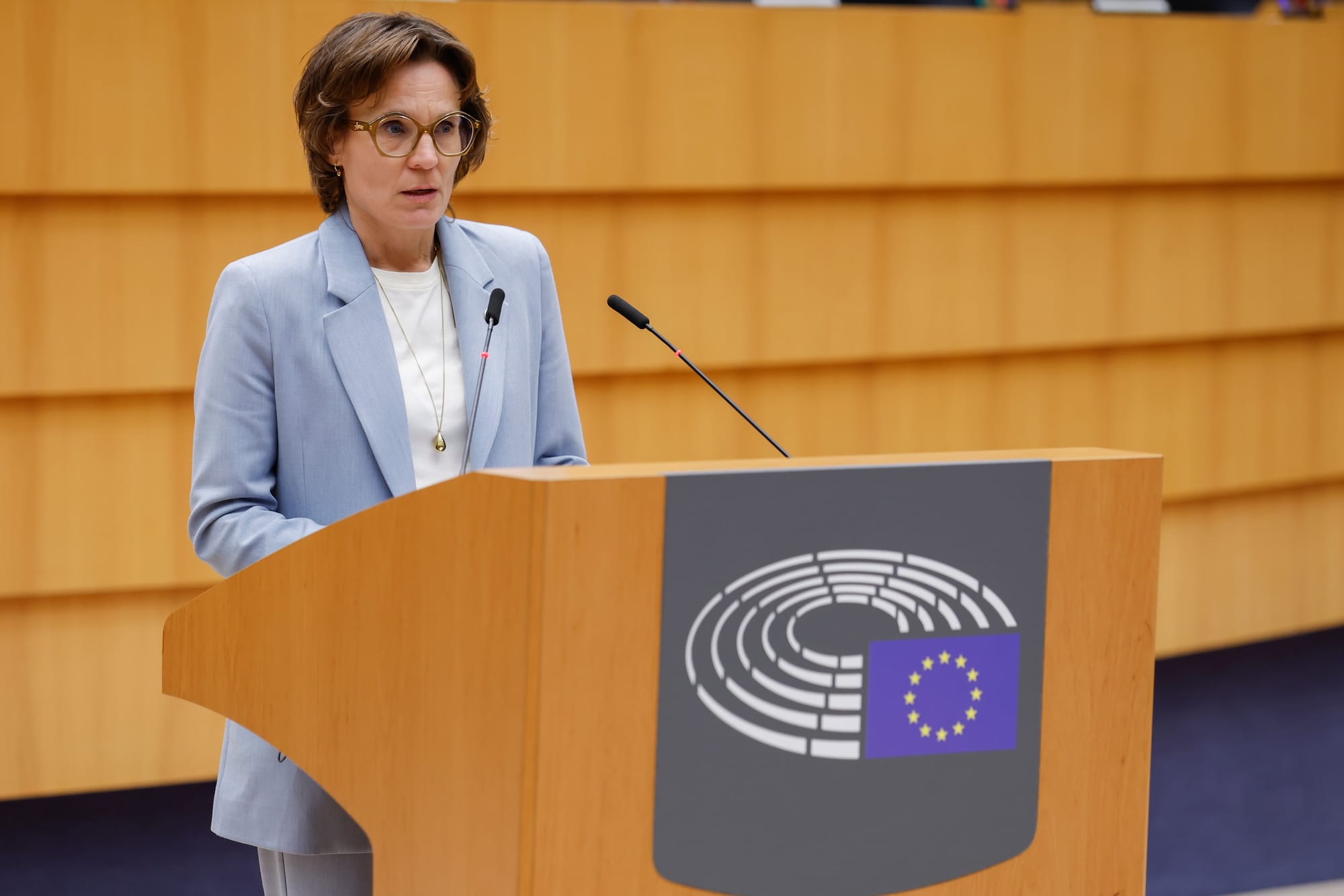
Roswall stressed that implementation would be gradual. By 2033, when the legislation is scheduled for review, only 10-20% of treatment plants will have installed the required quaternary treatment systems. She added that it wouldn’t just be European countries footing the bill for the treatment: “The revised directive applies to all cosmetic and pharma products on the EU market, including those produced in third countries.”
'Mudding the waters'
While rejecting the EPP's demand for a delay, the S&D, Renew Europe, Greens and The Left supported an independent study to assess potential impacts on the affordability and availability of medicines. They argued that such an assessment should inform implementation without reopening legislation agreed in 2024.
S&D environment spokesperson Tiemo Wölken said the vote demonstrated the "common agenda of the far right and the EPP", accusing conservatives of siding with "powerful lobbying interests" instead of defending citizens and municipalities. Green MEP Jutta Paulus similarly accused the EPP and its allies of "muddying the waters" and warned that weakening the directive would leave taxpayers footing the bill for pollution generated by the pharmaceutical and cosmetics industries.
The clash illustrates a broader battle over the EU's environmental agenda, with progressive groups increasingly warning that cooperation between the EPP and ECR is being used to roll back key elements of the Green Deal, while the centre-right argues it is seeking a more pragmatic balance between environmental goals and Europe's industrial competitiveness.
Director General of Medicines for Europe, Adrian van den Hoven, welcomed the vote saying it sends a clear message: "Europe cannot put access to essential medicines for millions of patients at risk on the basis of a flawed methodology.” He said it strengthened their call for a pause in implementation to carry out a comprehensive review.
In her closing comments, Roswall reminded MEPs: "Only by 2045 will it be fully in place. So, ladies and gentlemen, that is 20 years from now."
 Catherine Feore