
World Hearing Day: Does Europe need a hearing health strategy?
MEPs are alerted to Europe’s third-largest cause of disability: hearing loss
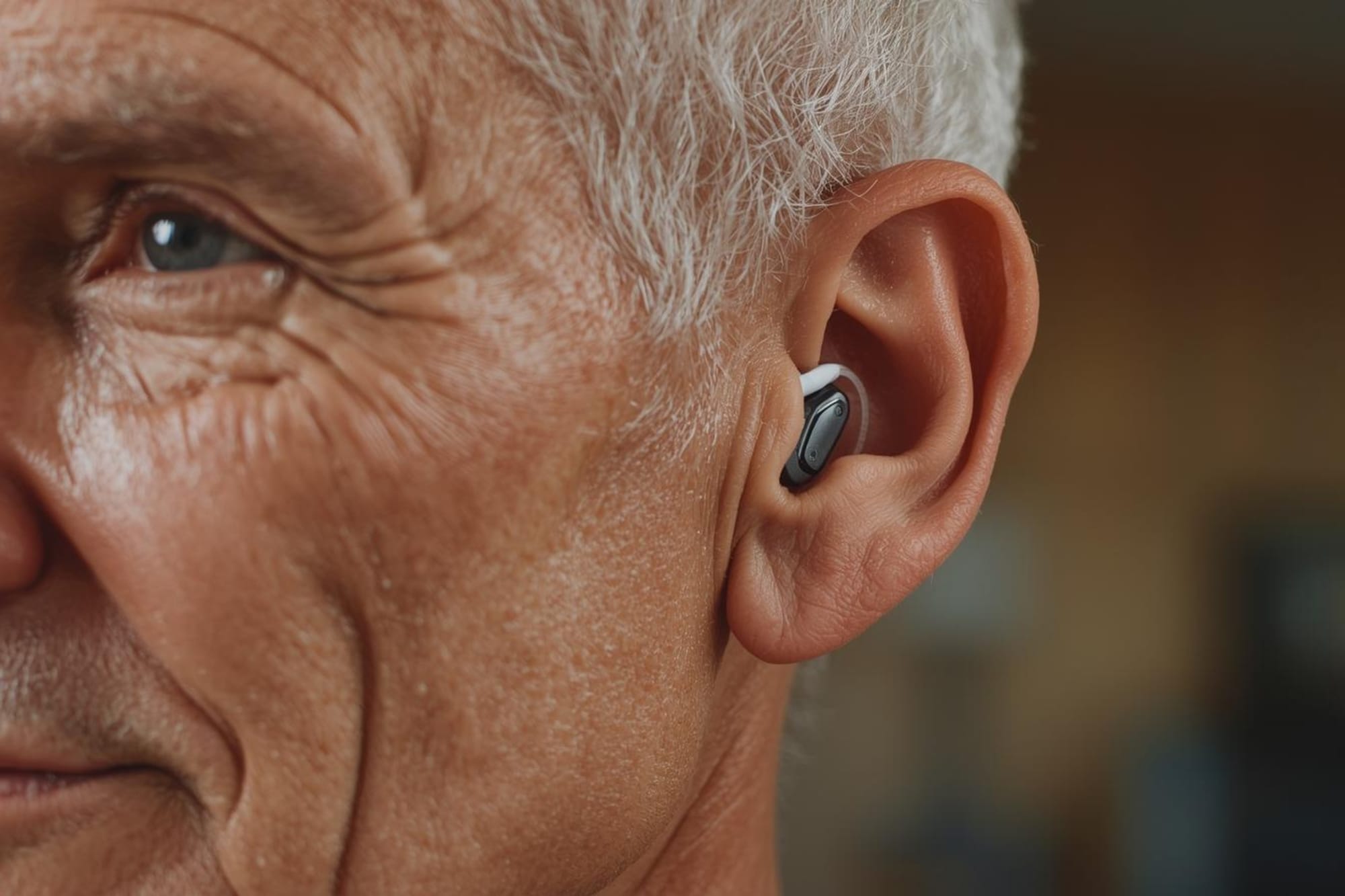
On the eve of World Hearing Day (3 March), experts put forward a plan for a European Hearing Health Strategy to reduce the stigma associated with hearing loss, improve early detection and prevention, and address inequalities.
Professor Paul Van de Heyning, a leading researcher in cochlear implantation, inner-ear pathology and tinnitus; and Dr Patrick D’Haese, Corporate Director for Awareness and Public Affairs at MED-EL - a hearing aid device company - who is also active in public-health and academic work spoke on behalf of the Hearing Health Forum EU, a network bringing together industry, clinicians and patient organisations.
The speakers’ core message was blunt: hearing loss is rising fast, and societies are not prepared. Citing projections drawn from WHO reporting, they argued that disabling hearing loss will climb sharply in coming decades. Within the EU, they said, tens of millions already live with disabling hearing loss, yet the condition remains under-diagnosed, under-treated, and under-discussed.
Van de Heyning focused on what he called the “underexposed” impact of acquired hearing loss across a person’s life. Beyond the obvious difficulty of conversation, especially in noisy settings, he highlighted recurring consequences: social isolation driven by stigma and the exhausting effort of following conversations; depression and anxiety linked to isolation and shame; cognitive decline, with hearing loss associated with faster deterioration and higher dementia risk; and significant economic costs from reduced productivity, job loss or early retirement, and earlier entry into assisted living.
An invisible disability?
Van de Heyning stressed that hearing loss is often described as an “invisible disability,” but in practice cannot be fully hidden, and attempts to conceal it can delay treatment and worsen outcomes. Appropriate intervention, including hearing aids or cochlear implants, can improve self-esteem and restore social participation.
Dr D’Haese presented a policy manifesto calling for a European Hearing Health Strategy, which has already been endorsed by numerous organisations across many countries, signalling broad support for co-ordinated European action.
Van de Heyning said that prevention must be tailored to age groups. Early-life measures include vaccination and neonatal screening, while adolescence requires education about safe listening and limits on noise exposure. He emphasised that devices themselves are not inherently harmful; rather, risk depends on volume and duration. Rising rates of tinnitus among teenagers, he suggested, may signal excessive exposure.
Age gap in care
On inequality, D’Haese distinguished between paediatric and adult care. While many member states have neonatal hearing screening in place, adult hearing screening is largely absent. A significant proportion of adults who could benefit from hearing aids do not use them, and uptake of cochlear implants among eligible adults remains low, especially in less affluent regions.
The overall message of the hearing was clear: World Hearing Day should not be a symbolic annual event, it requires sustained political attention, co-ordinated policy measures and a comprehensive European strategy to close the gap between available medical solutions and real-world access for citizens.