
Voiculescu says amendments to cancer report used tobacco industry wording ‘word for word’
The report on the implementation of the EU’s Beating Cancer Action Plan, calss for improving detection, treatment and better tracking of progress
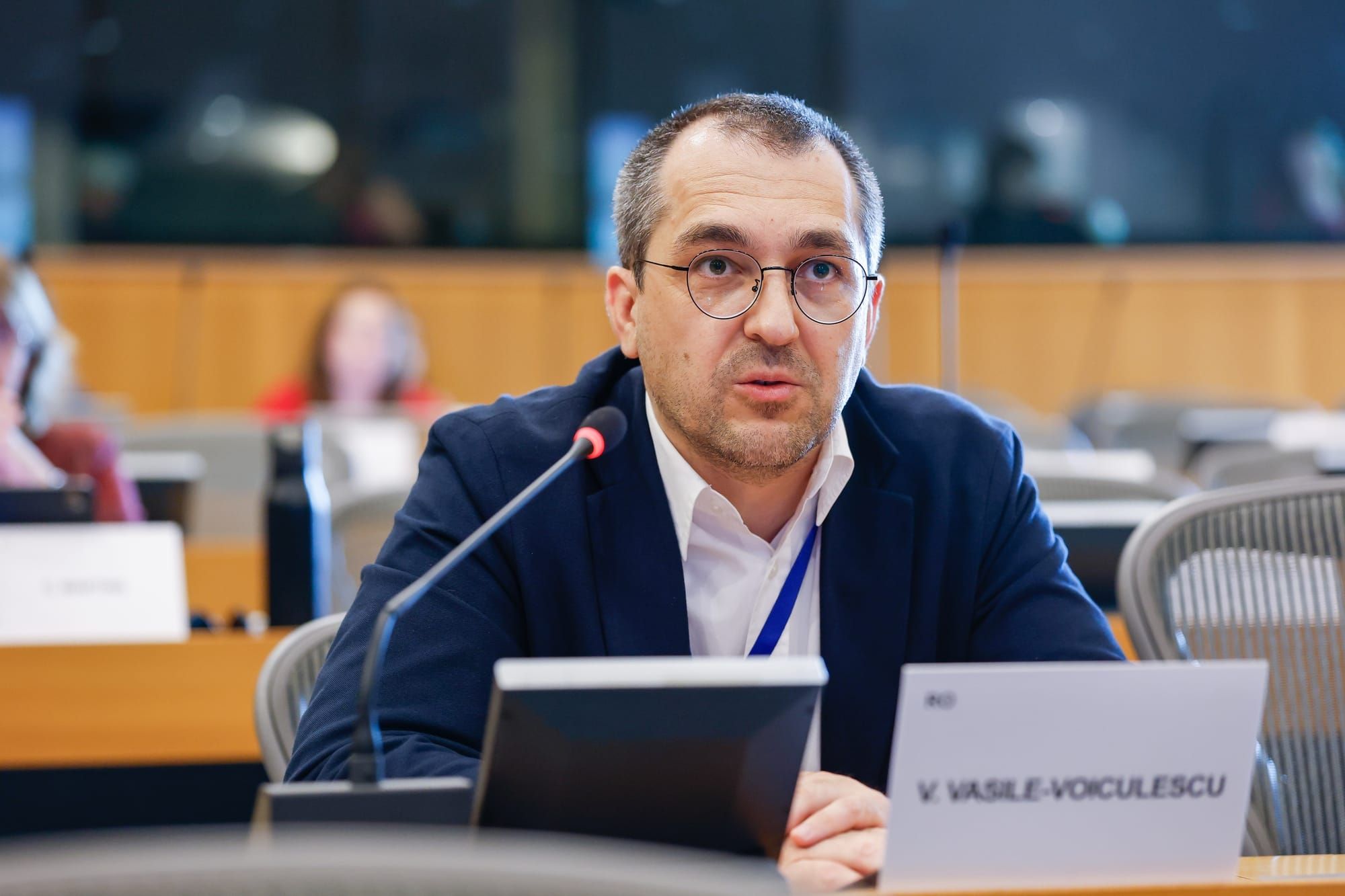
MEP Vlad Vasile-Voiculescu (Renew, Romania) has accused the tobacco industry of exerting intense pressure on European lawmakers negotiating Parliament’s assessment of the EU’s cancer strategy, saying some proposed amendments to his report on implementation of the Beating Cancer Plan used industry wording “word for word.”
Voiculescu said tobacco-industry influence had become increasingly visible.
“You can see the wording that some colleagues here in the European Parliament have submitted in their proposed amendments. You can see the wording is not coming from anywhere else but the industry, word for word.”
He also described broader pressure surrounding tobacco legislation, saying colleagues had complained about persistent calls and that tobacco companies sought to exert influence through local and national politicians and governments, including by stressing the benefits of factories and tax revenues in particular cities and countries.
Against that backdrop, the report calls for better implementation of Article 5.3 of the World Health Organization Framework Convention on Tobacco Control (WHO FCTC), which addresses protecting public-health policies from the commercial and other vested interests of the tobacco industry.
Voiculescu described the provision as reflecting the principle that when public-health policies are being drafted, the tobacco industry should not be allowed to intervene. The report also calls for revisions to EU tobacco-product and advertising rules, technology-neutral regulation covering nicotine products and stronger protection of minors.
The remarks came as Voiculescu presented a five-year assessment of Europe’s Beating Cancer Plan, calling for stronger prevention, earlier detection, fairer treatment access and greater accountability.
“Europe’s Beating Cancer Plan is one of the most important pillars of the European Health Union,” he said. “The report strengthens every dimension of it: stronger prevention, earlier detection, fairer access to treatment, better support for survivors, and real accountability through measurable targets.”
Voiculescu, an economist and former banker who served twice as Romania’s health minister, said his involvement in cancer policy was also personal. His father is a two-time cancer survivor, while Voiculescu founded an NGO supporting children with cancer in Romania around two decades ago.
The MEP highlighted major differences in screening and survival rates between EU countries and said disparities in cancer survival reflected differences in early detection and access to doctors, infrastructure and medicines.
“Twenty per cent survival [difference] doesn’t come from minor issues,” he said. “It comes from really big, big differences in everything from early detection to the availability of doctors, infrastructure and medicines.”
On rare cancers, the report underlines the importance of European Reference Networks (ERNs), while warning that cross-border referral pathways remain underused. It calls for sustained investment in the networks and measures to ensure that every patient with a rare cancer can access multidisciplinary expertise, including specialist knowledge beyond their home country where necessary.
The report calls on the European Commission to revise the Cross-Border Healthcare Directive, as a matter of urgency, to improve cross-border access to cancer care and experimental therapies.
Voiculescu said the EU’s next budget needs dedicated resources.
“A plan without funding is obviously a promise without credibility,” he said.
The report is expected to be adopted at the European Parliament’s November plenary session.