
Update on Pandemic Agreement’s unfinished business
MEPs received an update on ongoing negotiations for the pathogen access and benefit-sharing system
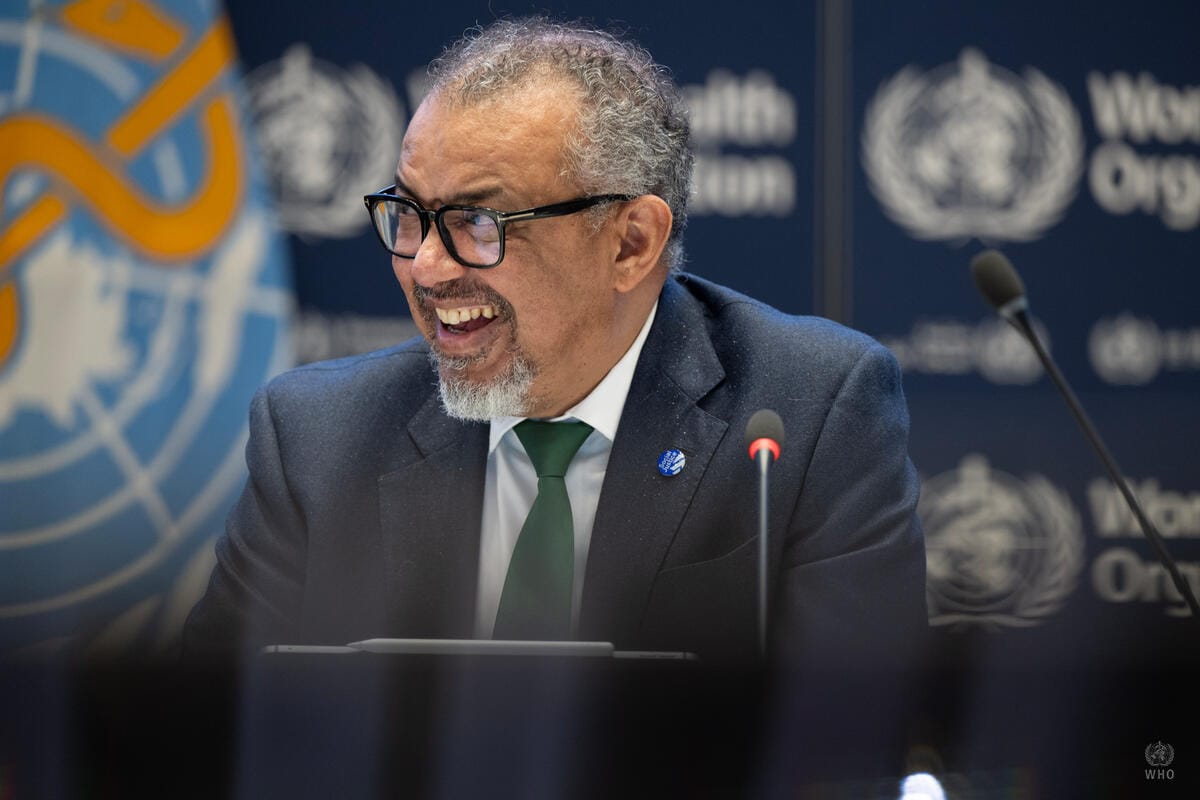
Members of the Parliament’s Public Health (SANT) committee held an exchange of views on the progress of the negotiations on the world’s first pathogen access and benefit-sharing (PABS) system (8 December), which will - if agreed - become an annex to the Pandemic Agreement.
The WHO Pandemic Agreement was adopted by the World Health Assembly on 20 May 2025, however, PABS, was left to an Intergovernmental Working Group (IGWG) to agree upon in further negotiations. The latest round of intensive talks ended on 5 December and will resume on 20-22 January.
The EU’s lead negotiator, Americo Beviglia Zampetti, told MEPs that the EU was in favour of an open approach to the sharing of sample biological sequence information critical to developing effective vaccines, but that other countries wanted a more formal exchange based on the conclusion of a contract.
Zampetti said this was unnecessary and counterproductive, as pharmaceutical companies would find a way to access the sequence information without cumbersome contracts with the WHO. While sceptical that an agreement will be reached before the next World Health Assembly, he hopes that an effective and equitable framework for sharing and better preparing for a future pandemic emerges.
MEP Tilly Metz (Green, Luxembourg) said that PABS was at the heart of the Pandemic Agreement and that vaccine hoarding was estimated to have cost 1.3 million lives in the ‘Global South’ according to Nature.
The EU wants to reach an agreement that is a marked improvement on Covax, which, while it worked well to some extent, was established in an ad hoc manner. He said that being able to deploy countermeasures in a more orderly way would already be a marked improvement.
The EU aims to ensure that producers of vaccines, therapeutics and diagnostics will be brought into a well-structured, clear and enforceable relationship with the WHO so that in case a new pandemic strikes, “we will not find ourselves again in a very difficult situation, having to scramble for medical countermeasures.”